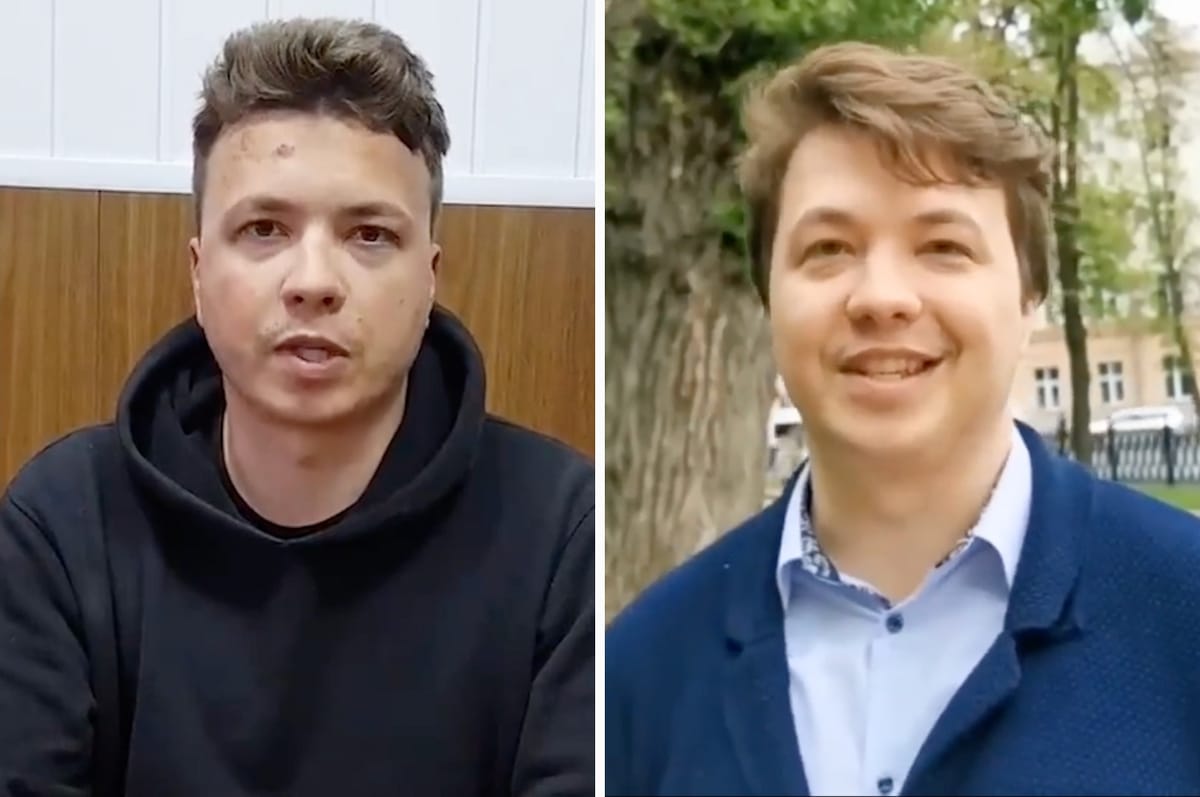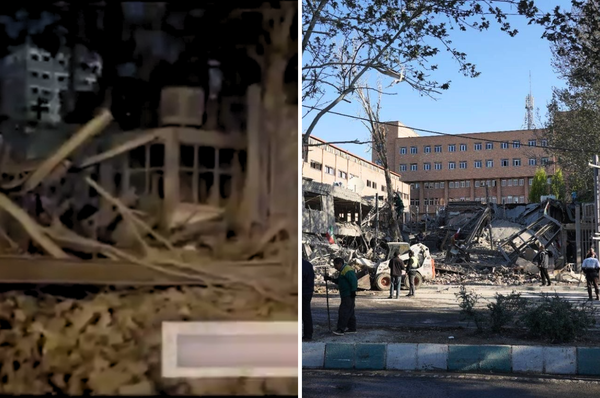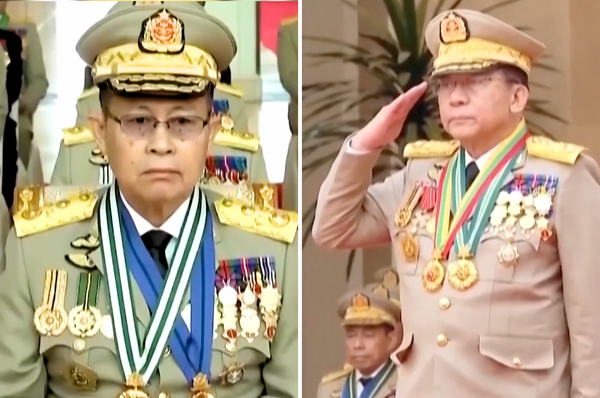
Belarus Has Released 123 Political Prisoners, Including A Key Opposition Leader, After Talks With The US
The release was by far the largest by Alexander Lukashenko since talks with US president Trump began earlier this year.

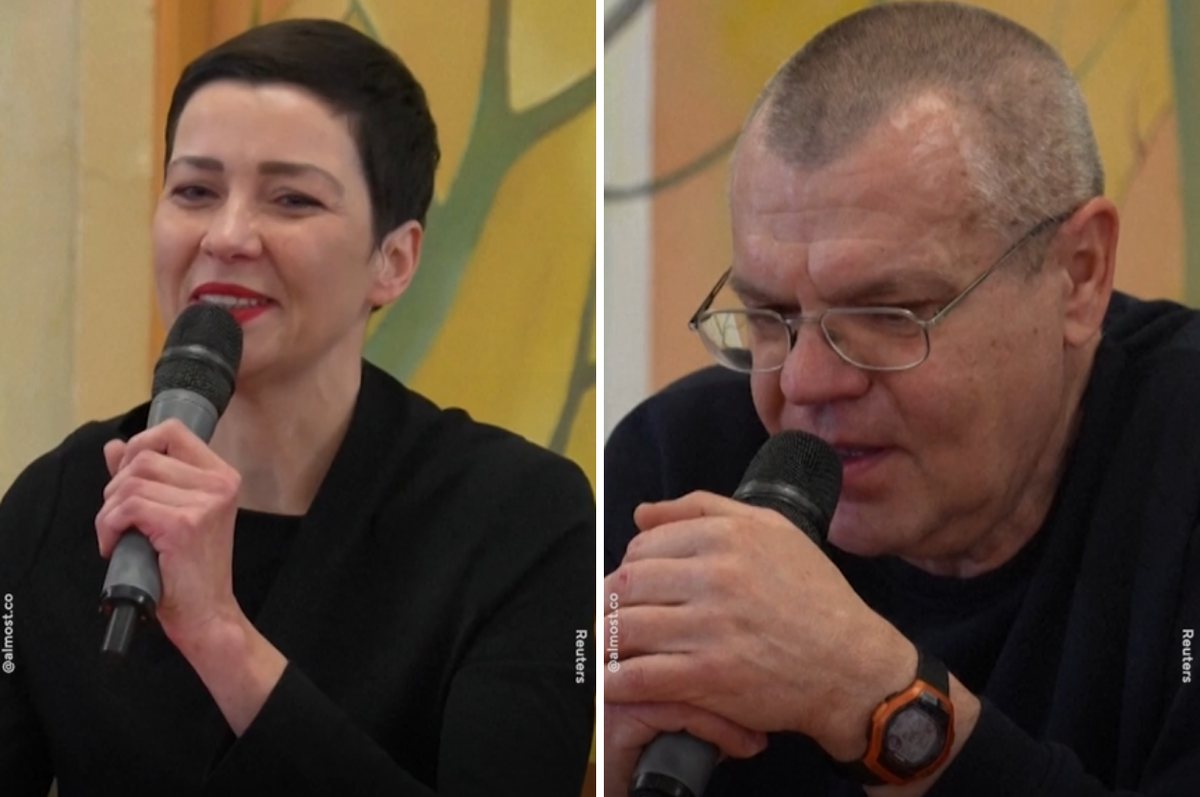
Belarus has released 123 prisoners, including prominent opposition figures Maria Kolesnikova and Nobel Peace Prize winner Ales Bialiatski, after the US lifted sanctions on Belarusian potash.
Most of those freed had been jailed following protests against Belarus’ disputed 2020 presidential election, in which president Alexander Lukashenko claimed a sixth term in a vote widely regarded as rigged.
Since then, Lukashenko’s government has jailed all of the country’s prominent opposition figures and forced many activists to flee.
The US and EU then imposed sanctions on Belarus, with additional measures introduced after Minsk allowed Russia to use its territory to invade Ukraine.
Belarus’ announcement to free the prisoners on Saturday, Dec. 13, came after two days of talks in Minsk between Lukashenko and the US’ special envoy John Coale, to remove sanctions on Belarusian potash exports, a key fertilizer component that Belarus is a leading global producer of.
The release was by far the largest by Lukashenko since talks with US president Trump began earlier this year.
Among those released were Viktar Babaryka, a former banker who was barred from running against Lukashenko and later sentenced to prison, as well as Ales Bialiatski, a leading human rights defender and co-founder of the rights group Viasna.
Kolesnikova, a key figure in the 2020 opposition movement, had been serving an 11-year sentence after tearing up her passport to prevent being forcibly exiled.
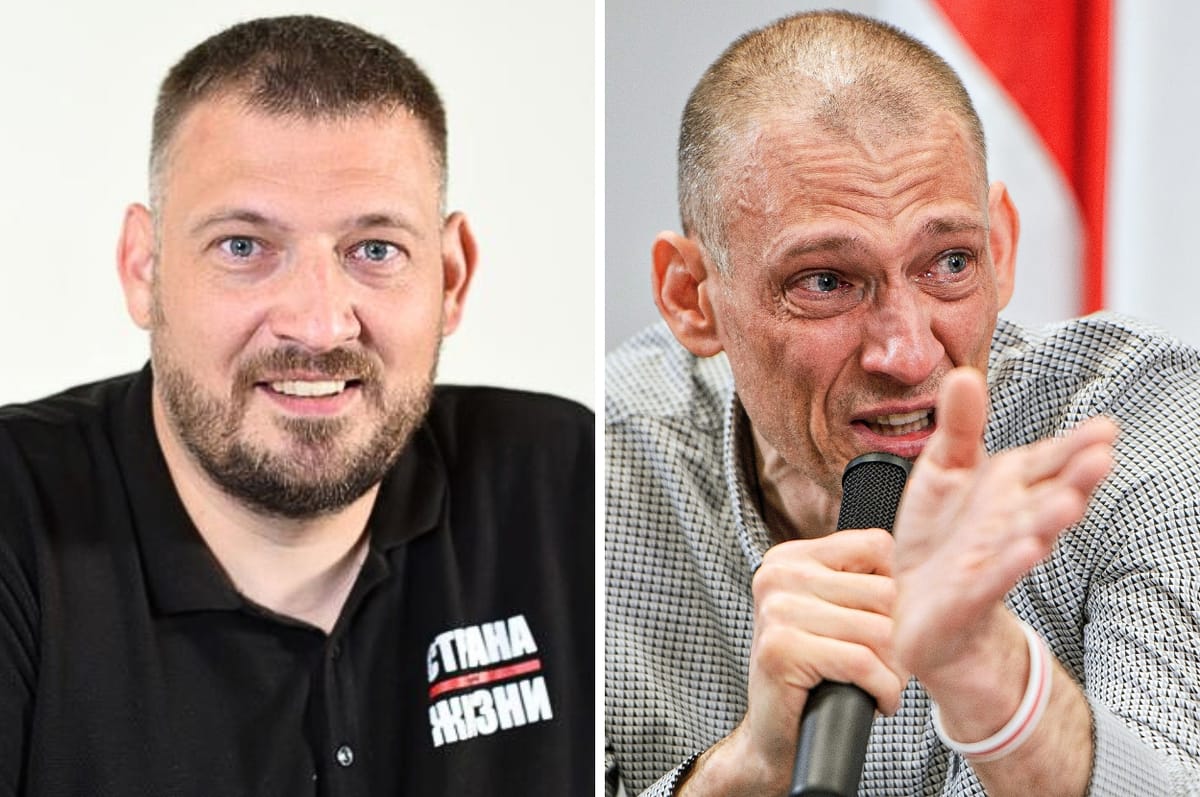
In June, the government unexpectedly freed a major opposition leader, Sergei Tikhanovsky, who had been sentenced to 18 years in prison for organizing protests against Lukashenko.
Ukrainian President Volodymyr Zelenskyy said five Ukrainian citizens were among those freed, according to Al Jazeera.
Human rights groups said the health of many prisoners declined during their time in detention due to mistreatment, and that 1,227 political prisoners remain in jail.
In recent years, Lukashenko has released more than 300 prisoners, which some analysts said is an attempt to heal the relationship with the West, according to Reuters.
 Sofia Hou
 Sofia Hou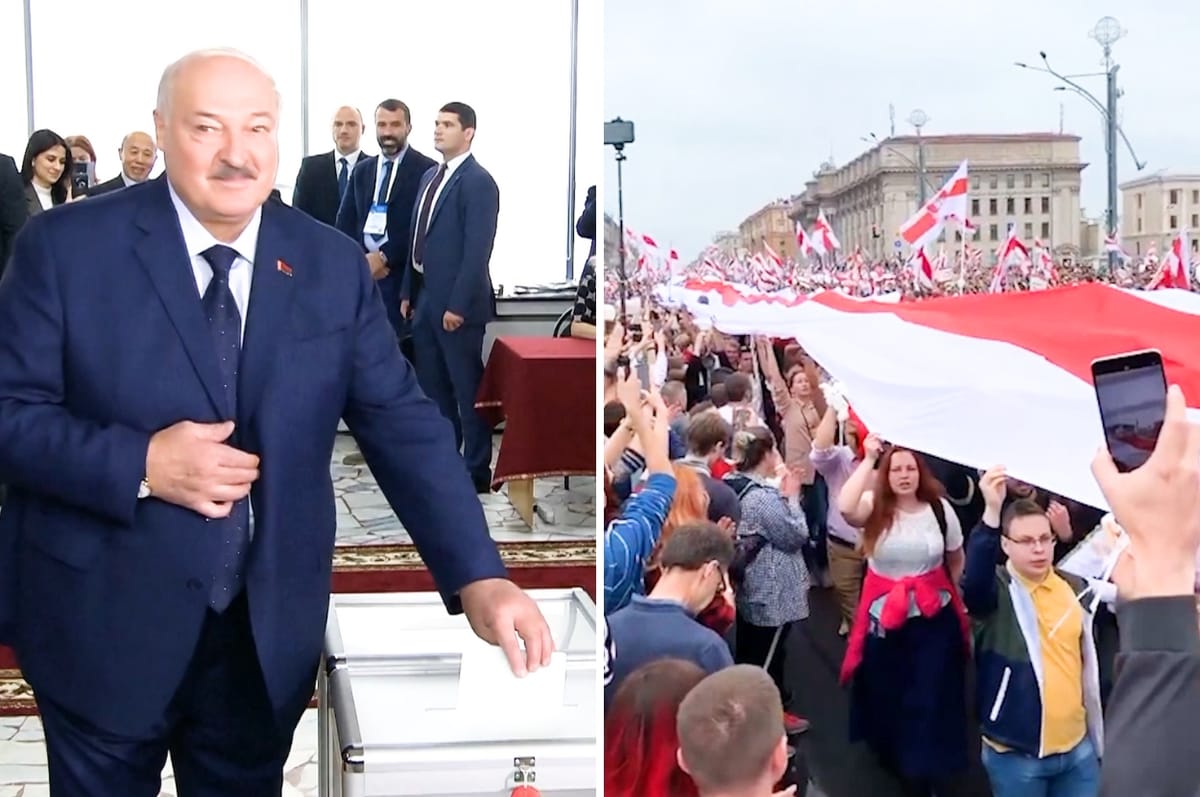
 Kassy Cho