After Indigenous Protests For Land Protection At COP30, Brazil Will Create 10 New Indigenous Territories
The move will allow Indigenous people to stop mining, logging and commercial farming on their lands, protecting the forests from deforestation and preserving Indigenous culture.

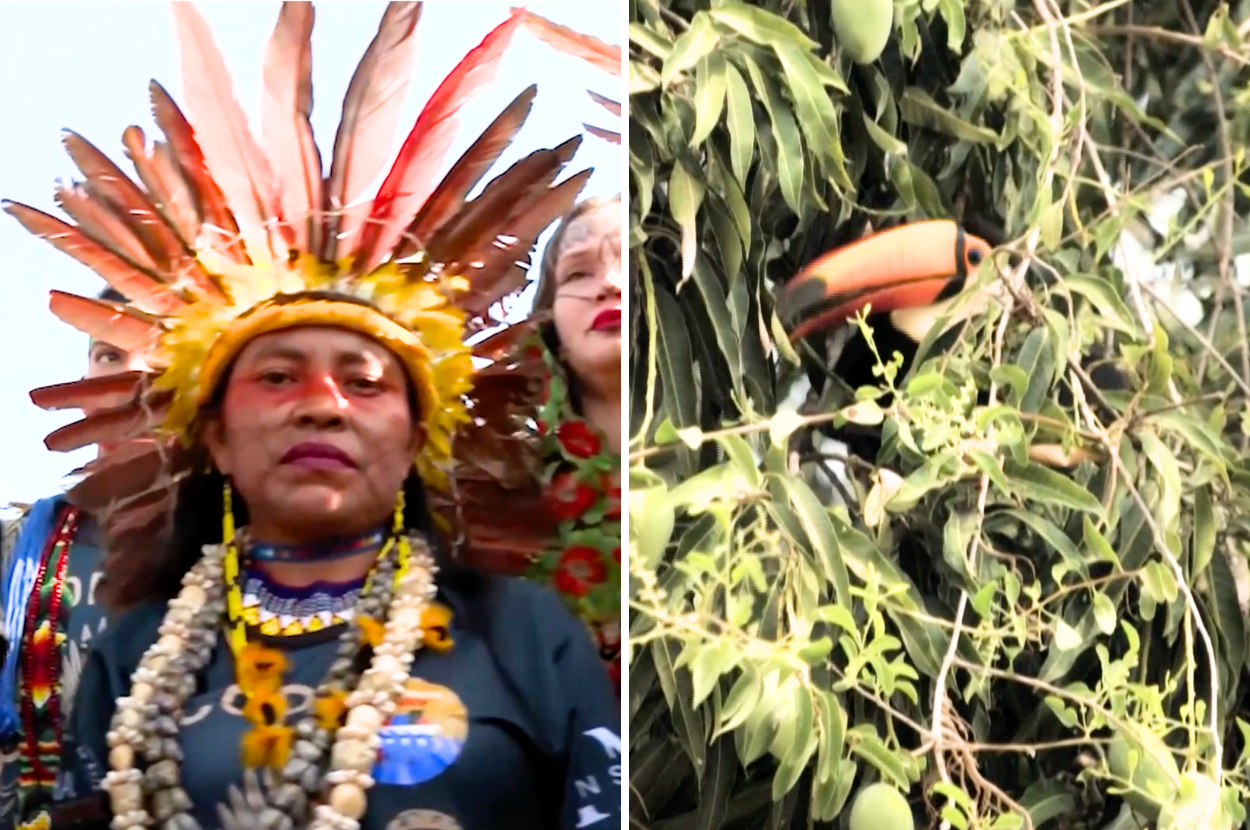
Brazil has announced it will create 10 new Indigenous territories, following days of protests by Indigenous people demanding stronger climate action and forest protection at the UN’s COP30 climate summit in Belém, Brazil.
On Tuesday, Nov. 11, protesters from communities across the Amazon broke into “Blue Zone”, the main venue where world leaders gathered for the climate talks, carrying signs saying “Our land is not for sale”.
Protests continued the next day with more than 5,000 Indigenous leaders, activists and forest defenders from around the world sailing to Belém on a flotilla to demand COP30 deliver true climate justice.
“Sailing here today means it’s necessary to continue defending our lands and demarcating our lands is defending life,” one Indigenous activist told Reuters.
On Monday, Nov. 17, Brazil’s Indigenous minister Sônia Guajajara announced that it would recognize 10 new Indigenous lands that would span hundreds of thousands of hectares and are inhabited by thousands of people from the Mura, Tupinambá de Olivença, Pataxó, Guarani-Kaiowá, Munduruku, Pankará, and Guarani-Mbya Indigenous peoples, according to the BBC.
The move will demarcate the lands, officially recognizing and formally marking the legal boundaries of the territories that were historically and traditionally occupied by Indigenous peoples.
After that, the land is officially approved and registered to be exclusively used by the Indigenous populations living there, according to Earth.org.
This will allow Indigenous people to stop mining, logging and commercial farming on their lands, protecting the forests from deforestation and preserving Indigenous culture, according to the BBC.
Indigenous communities in Brazil are often attacked while trying to prevent deforestation or stop ranchers from expanding into their territories.
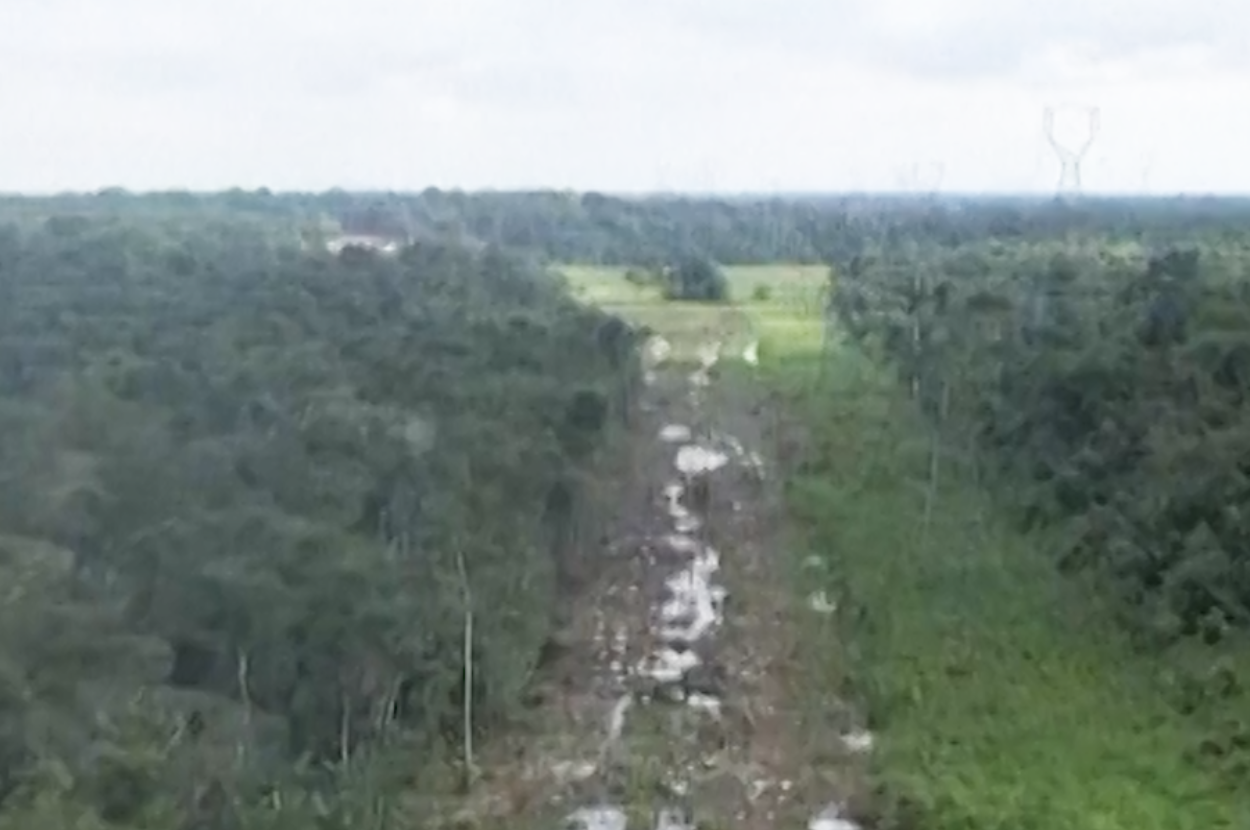
One of the areas overlaps more than 78% with the Amazon National Park, which is a carbon sink that plays a crucial role in absorbing carbon dioxide and preserving global biodiversity.
Brazilian President Luiz Inácio Lula da Silva — commonly known as Lula — had promised to end illegal deforestation by 2030 and emphasized that Indigenous communities must play a central role in climate policy.
Guajajara, who was a long-time Indigenous activist before being appointed minister, told the Guardian she hopes other countries will also recognize the demarcation of Indigenous land rights as a climate solution, a goal that Brazil is pushing at COP30.
Indigenous territories currently make up about 13.8% of Brazil’s land, including large areas of the Amazon rainforest, according to BBC.
 Flavie Chen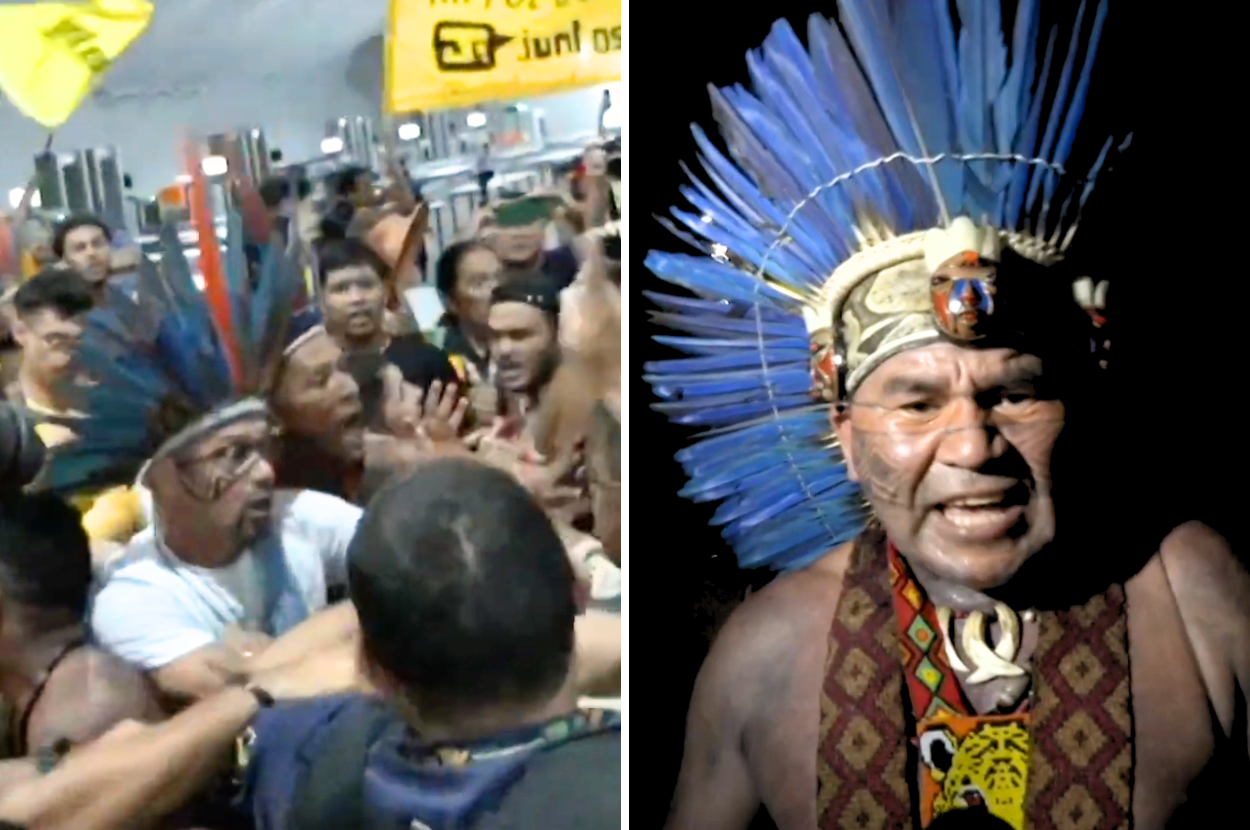
 Sofia Hou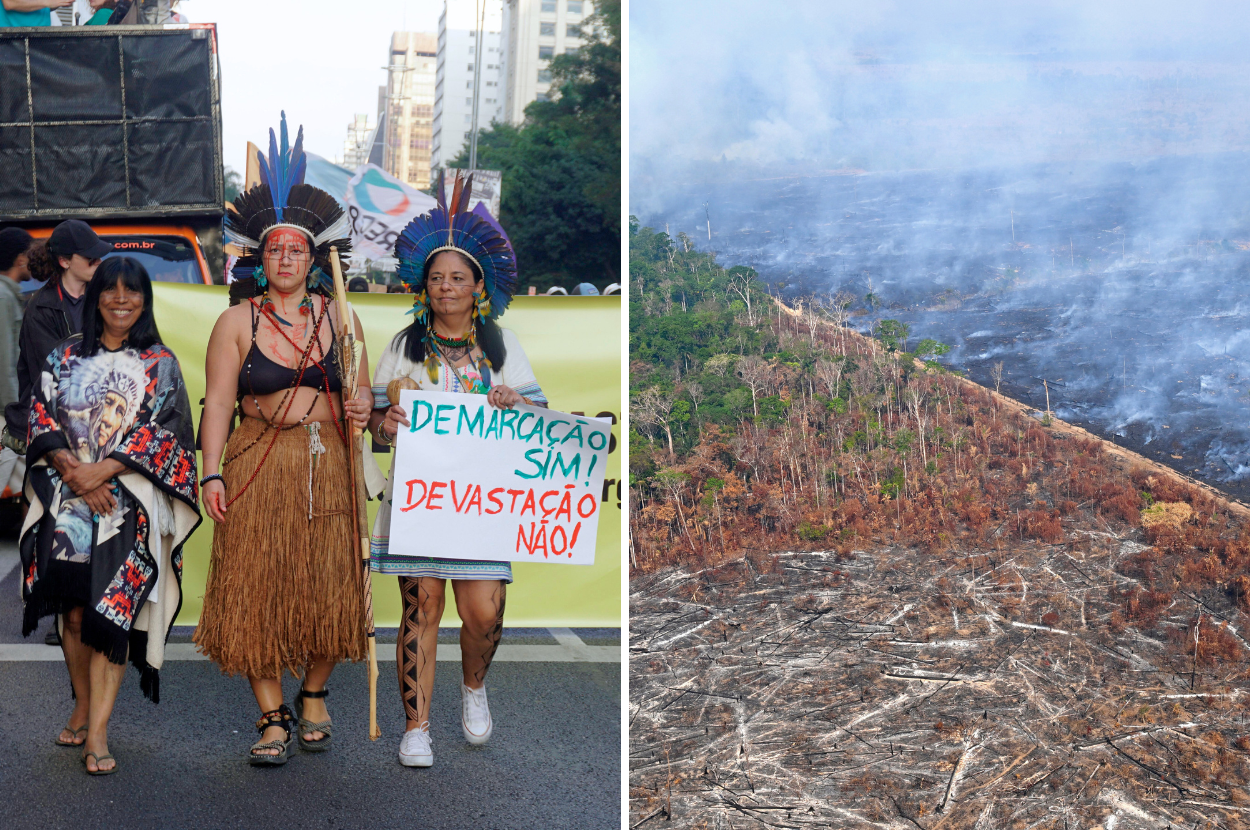
 Cici Xiao