China Has Approved A New “Ethnic Unity” Law That Could Actually Erase Minority Cultures
Rights groups say the law is not about ensuring equality but rather accelerating cultural assimilation.


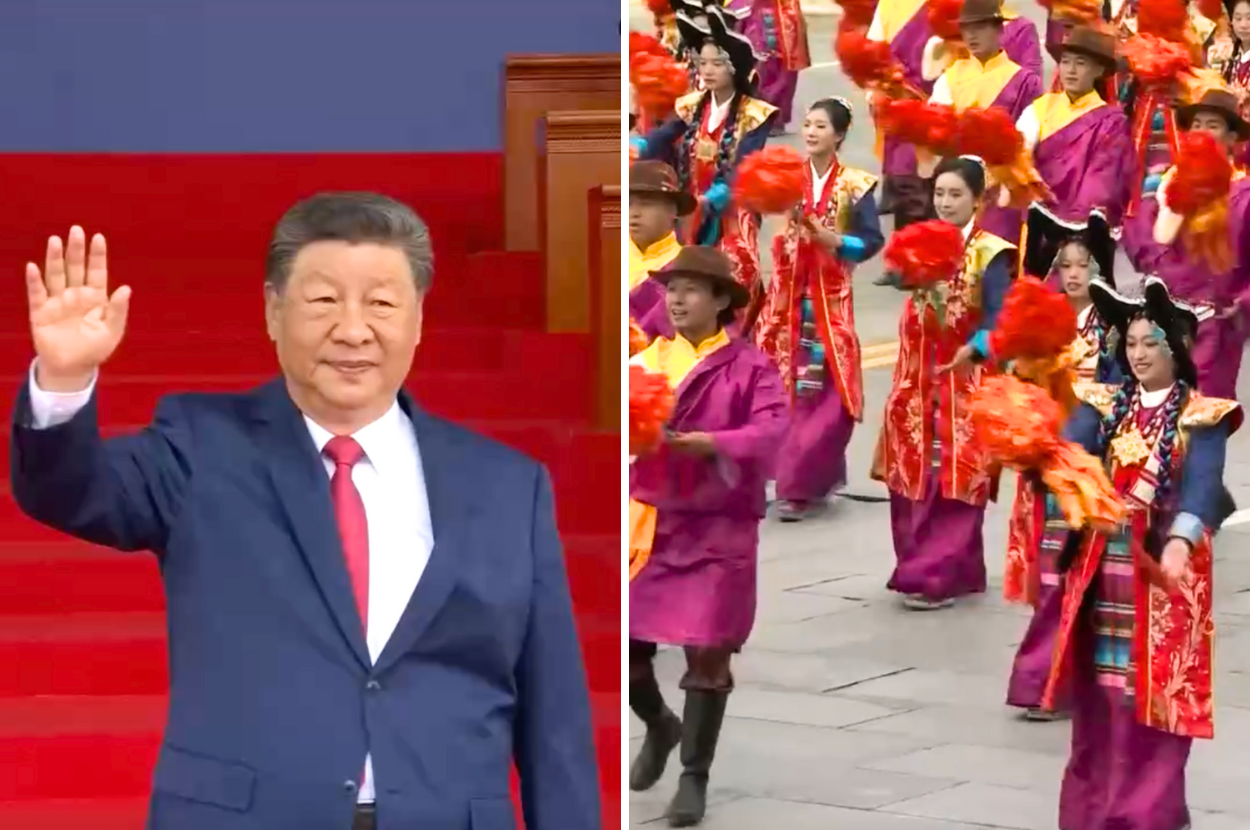
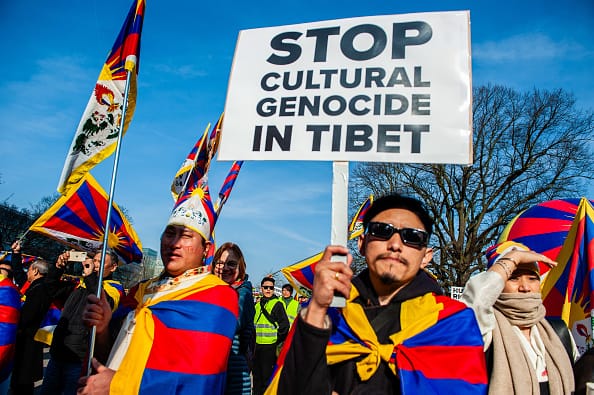
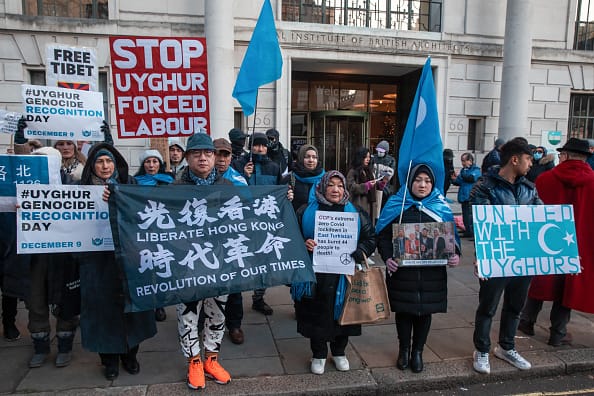
China has approved a new “Ethnic Unity” law that could actually erase minority cultures including those of Uyghurs and Tibetans.
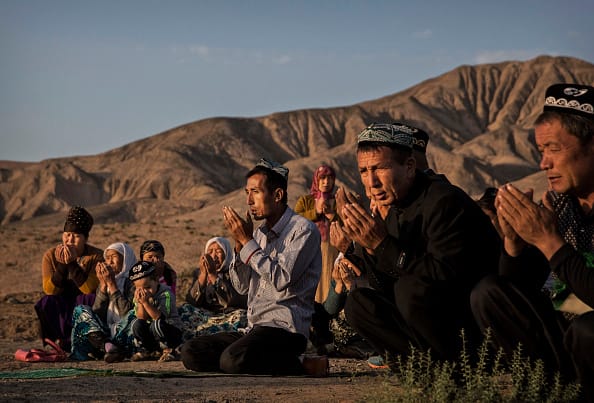
China has a population of about 1.4 billion people and officially recognizes 56 ethnic groups.

The largest group is the Han Chinese, who make up about 92% of the population, while the remaining 55 groups are classified as minorities that make up roughly 8.9% of the population, according to DW.
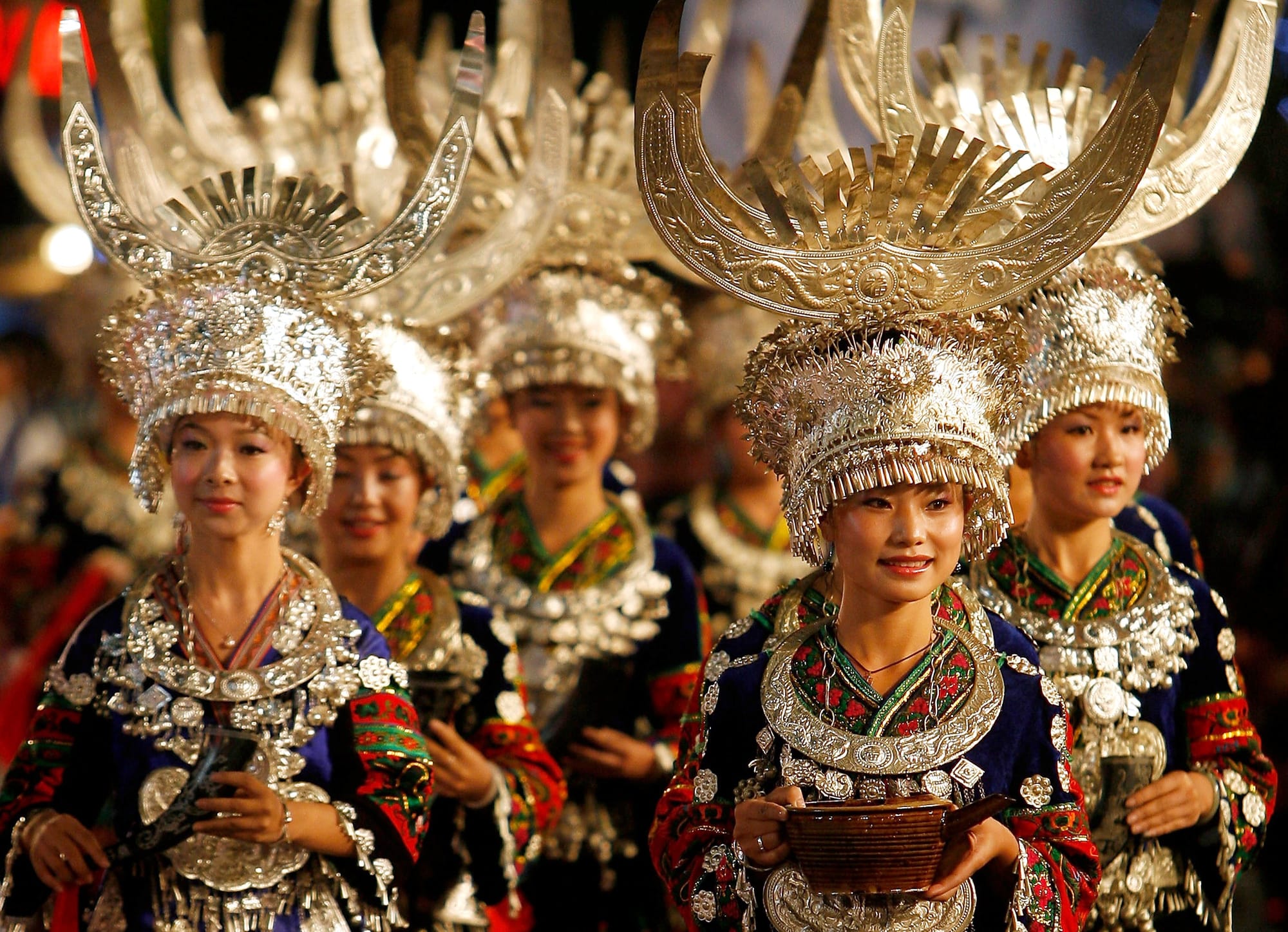
The minority groups, which include Uyghurs, Tibetans and Mongols, are spread across some of China's most geographically significant regions, including Xinjiang in the northwest and Tibet in the southwest.
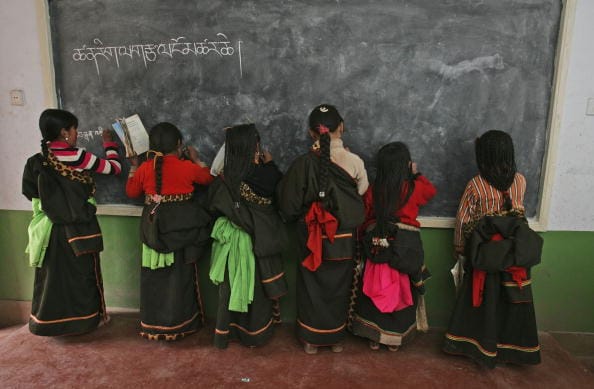
Under China’s constitution, minority groups are guaranteed the right to govern their own local affairs, practice their religion and preserve their language and culture.
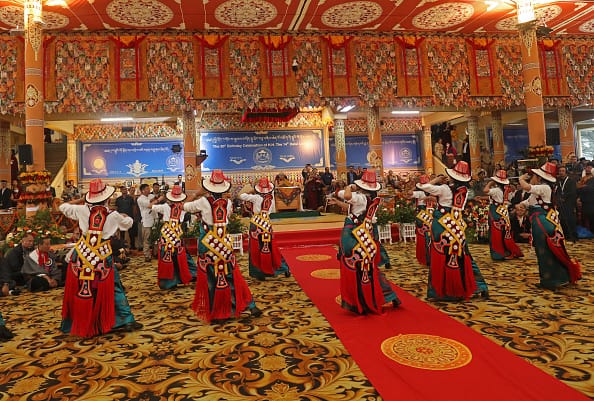
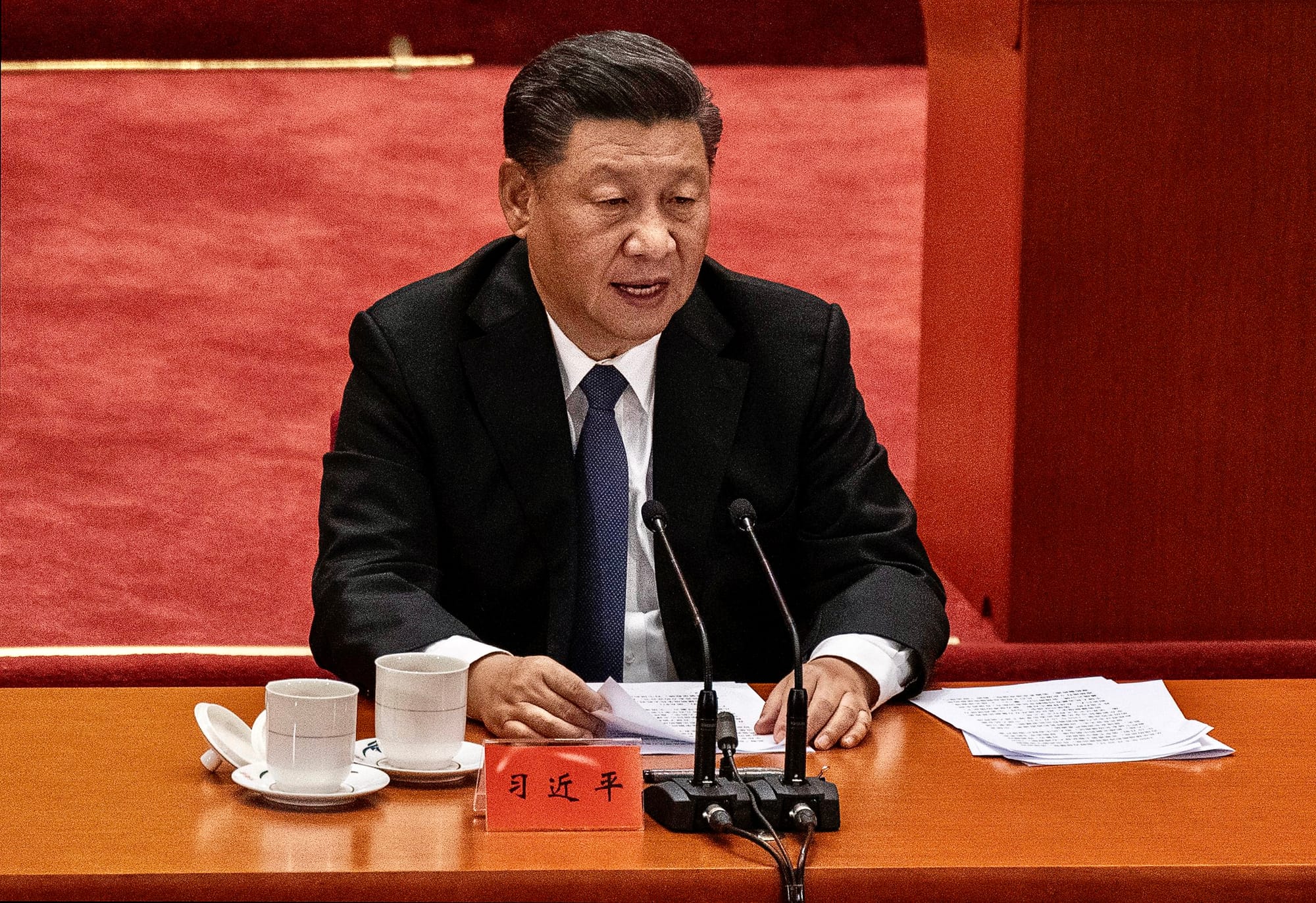
But since Chinese president Xi Jinping came to power in 2012, there has been a dramatic push towards assimilating minority cultures into Han Chinese culture.
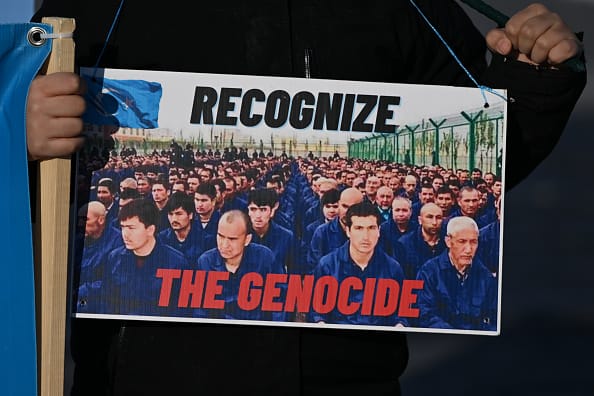
These efforts include the Chinese government’s crackdown on Uyghurs in Xinjiang, where it has imprisoned more than one million Uyghurs since 2017 in what it called “vocational training centers” that are actually detention camps where detainees are subjected to ideological indoctrination, religious restrictions and forced labor.
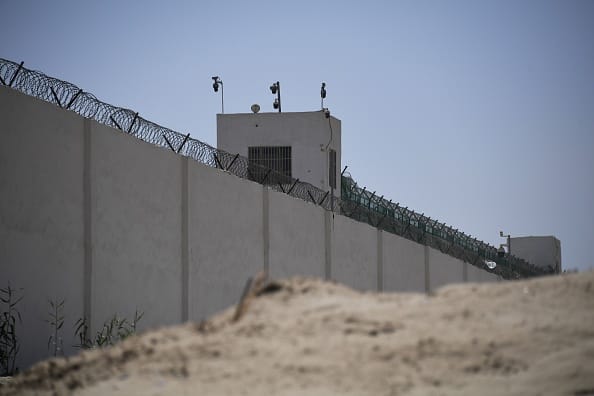
On March 16, the National People's Congress — China's legislature — adopted the Law on Promoting Ethnic Unity and Progress that makes “ethnic unity” the responsibility of all of society.

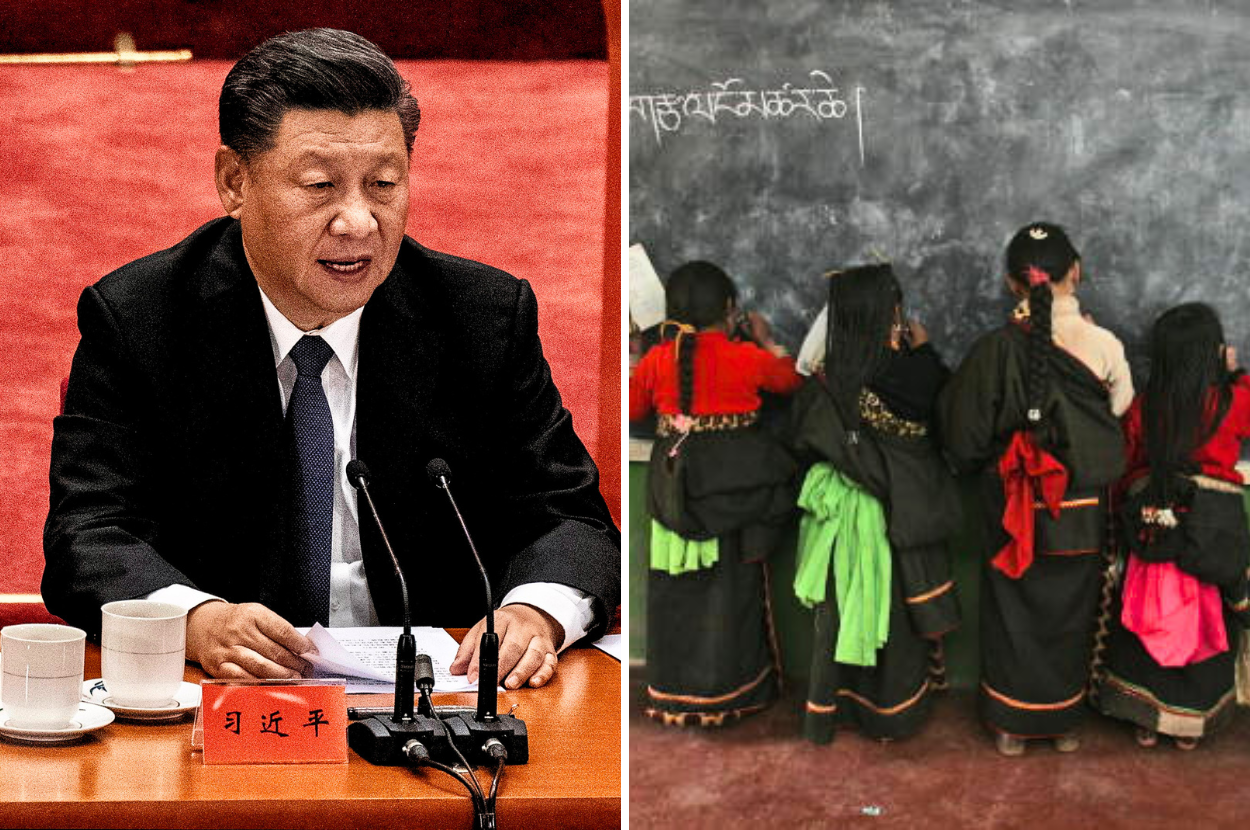
However, the new law positionsed Mandarin, the official language of China, as the dominant language in education and public life, requiring it to be taught to all children before kindergarten and throughout the rest of compulsory education up to the end of high school.

It also mandates that Chinese characters be displayed more prominently than minority language scripts wherever both are used.
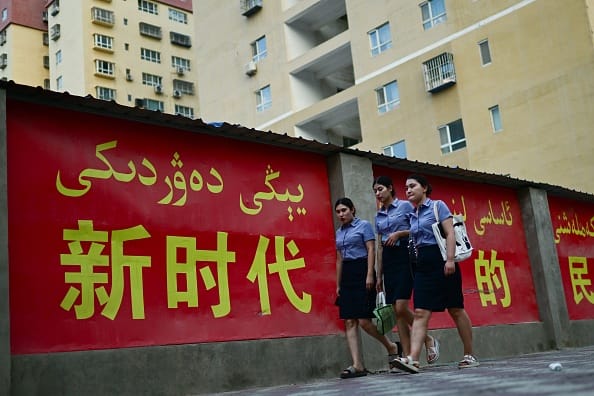
Under the law, authorities such as government bodies, schools, businesses and the military to guide citizens to have “correct views” on history, culture and religion and shed “outdated customs,” according to the New York Times.
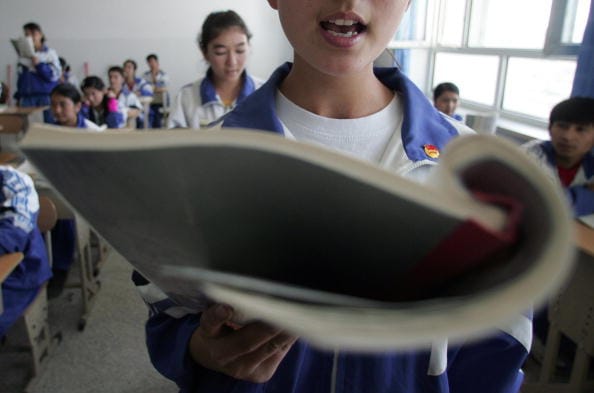
Parents must also “educate and guide children to love the Chinese Communist Party.”
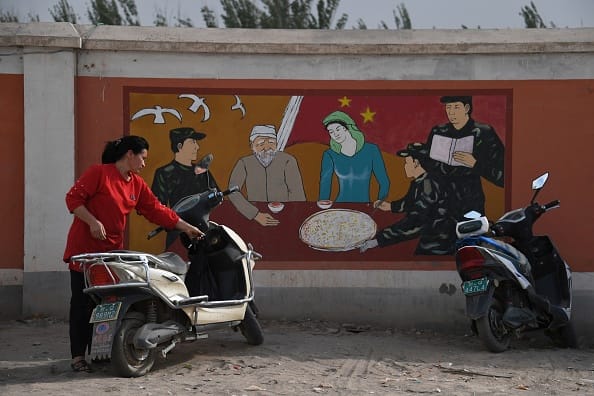
The law calls for minorities to live in “inter-embedded” communities with different ethnic groups and makes it illegal for anyone to oppose a marriage on ethnic or religious grounds.
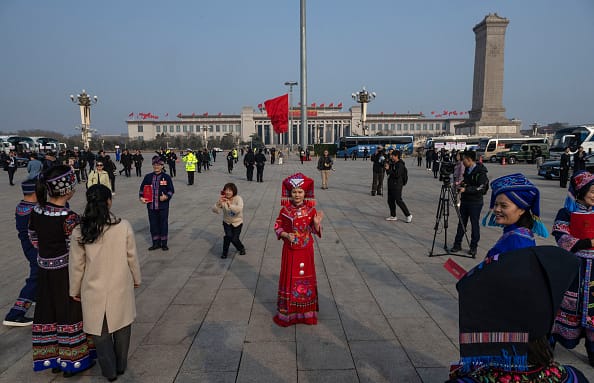
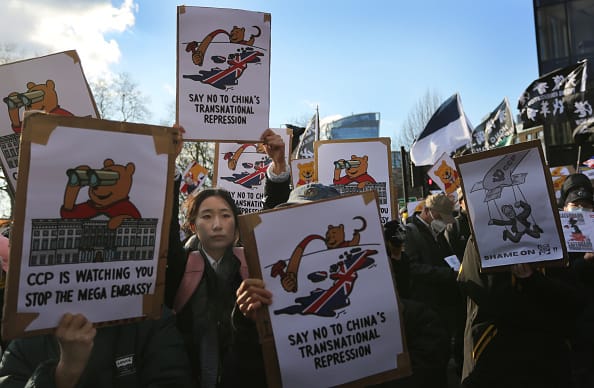
In addition, the law creates a legal base for the Chinese government to prosecute people or organizations outside of China if their actions are deemed as undermining “ethnic unity”.
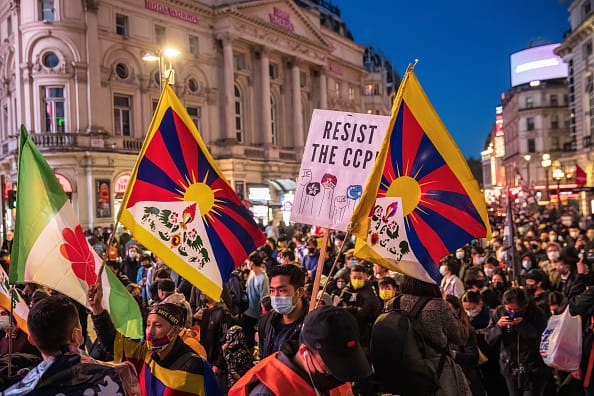
Chinese government officials say the new law will promote shared prosperity and national cohesion among all ethnic groups, embedding the vision of a "strong sense of community for the Chinese nation" into the country's legal framework.
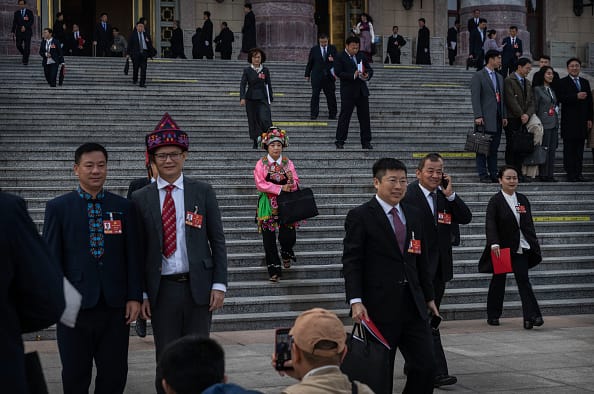
Rights groups say the law is not about ensuring equality but rather accelerating cultural assimilation.
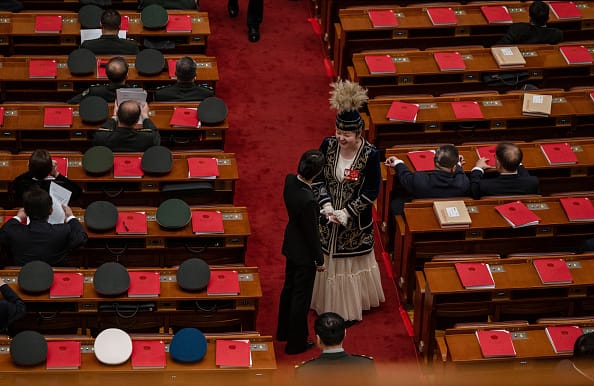
"The law makes it clearer than ever that… non-Han peoples must do more to integrate themselves with the Han majority, and above all else be loyal to Beijing,” Allen Carlson, an associate professor of government at Cornell University and an expert on Chinese foreign policy, told Reuters.
Human Rights Watch said the law "is a blatant effort by the Chinese government to control people's thoughts and expression about China both inside and outside the country."
Experts have also criticized the provision concerning people outside China, likening it to transnational repression, which is the Chinese government’s efforts of exerting control and silencing government critics and dissent beyond its borders.
The law is set to take effect on July 1.
 Kassy Cho
 Kassy Cho
 Kassy Cho