Gambia Is Suing Myanmar At The ICJ Over Its Genocide Of The Rohingya Muslim Minority
Gambia’s foreign minister told the court that the Rohingya “had suffered decades of appalling persecution and years of dehumanizing propaganda".

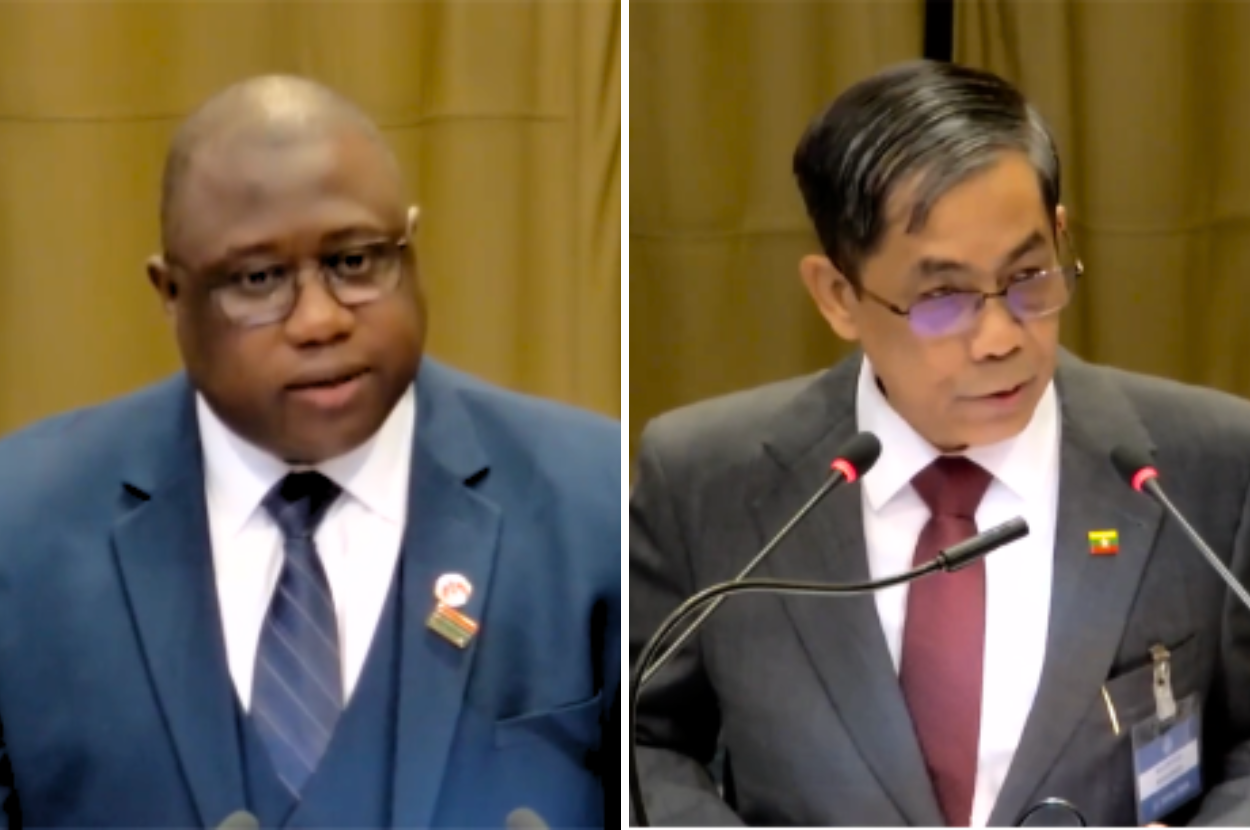
The world’s top court, the International Court of Justice (ICJ), has begun oral hearings to determine whether Myanmar’s military committed genocide against the Rohingya, a Muslim minority group from Myanmar’s Rakhine State.
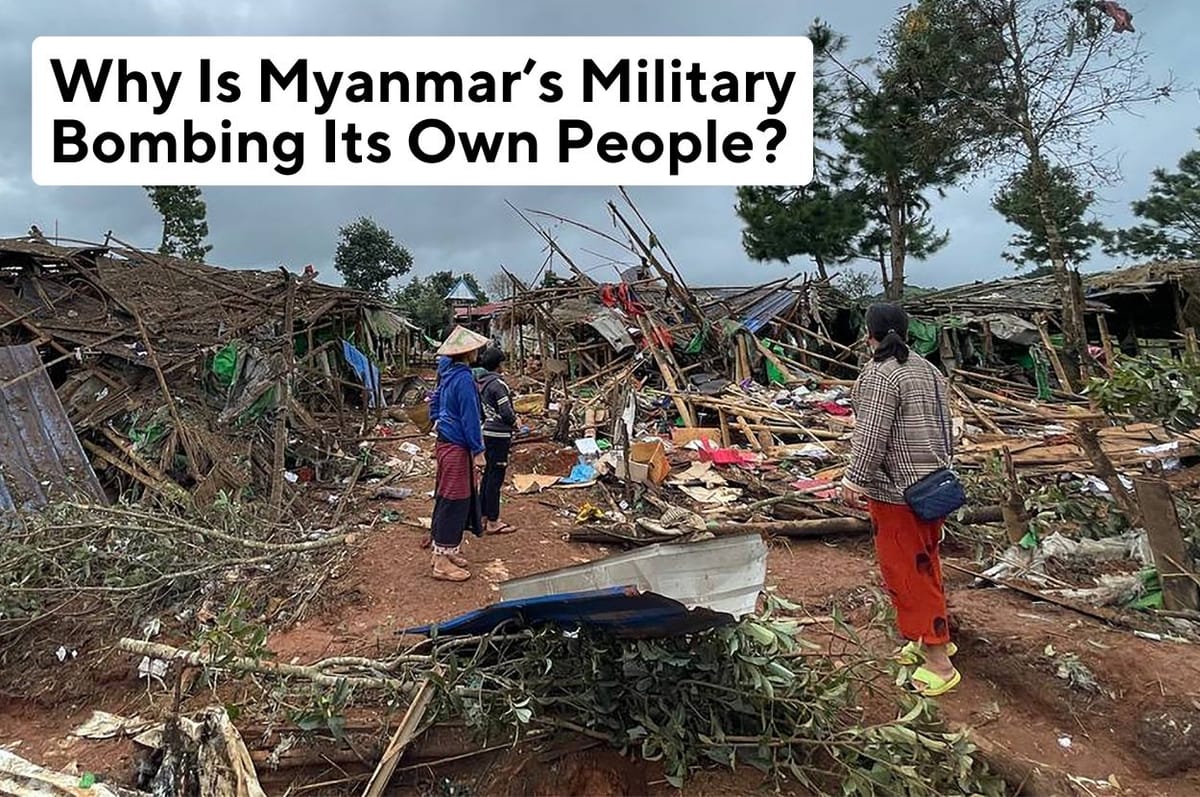
In 2017, Myanmar’s military launched “clearance operations” against the Rohingya people, claiming it was in retaliation for attacks by the Arakan Rohingya Salvation Army (ARSA) militants on police posts.
Human Rights Watch said the operation involved “widespread killings, sexual violence, village burnings and other abuses”, forcing more than 700,000 Rohingya to flee to Bangladesh.
The UN Human Rights Council has said it was a “textbook example of ethnic cleansing.”
Gambia brought a case to the ICJ in November 2019, arguing that Myanmar’s military had systematically murdered Rohingya people, violating the Genocide Convention.
Myanmar’s former leader and Nobel Peace Prize winner Aung San Suu Kyi — who was later removed after a military coup in 2021 — had defended the military at the time, saying that while they used “disproportionate force” against the Rohingya, it was an “internal conflict” to address “terrorism”.
In 2020, the ICJ ordered Myanmar to take steps to prevent genocide while the case proceeds.
The hearing officially began on Monday, Jan. 12, with arguments presented from both sides as the court moved toward a final ruling on the case.
Gambia’s foreign minister told the court that the Rohingya “had suffered decades of appalling persecution and years of dehumanizing propaganda", according to the BBC.
Members of Gambia’s council read witness statements from 2017 to ICJ judges, describing instances of large-scale executions, gang rapes, the destruction of homes and policies that dehumanized the Rohingya, which they said demonstrated “genocidal intent”.
Meanwhile, Myanmar’s Union Minister Ko Ko Hlaing appeared to hit back on Gambia’s use of witness statements, saying, “emotional language and blurry factual pictures are not a substitute for rigorous presentation of facts.”
Following the oral arguments, the ICJ will hear testimonies from Rohingya survivors and expert witnesses, followed by rebuttals and final submissions before the judges begin their deliberations.
The ICJ could take months or even years in its final ruling.
Separately, the International Criminal Court (ICC) is holding an investigation against military officials.
In 2024, the ICC requested an arrest warrant for the leader of Myanmar's military junta, Senior General Min Aung Hlaing, for committing crimes against humanity against the Rohingya, saying they have found “plausible genocidal evidence”.
More On Myanmar
 Cherry Mohamed
 Isha Jain
 Isha Jain