Two Years On: What Our Collective Action Changed for Palestine
From the streets to the seas, from classrooms to parliaments, people keep showing up for Palestine, even when hope feels impossible.


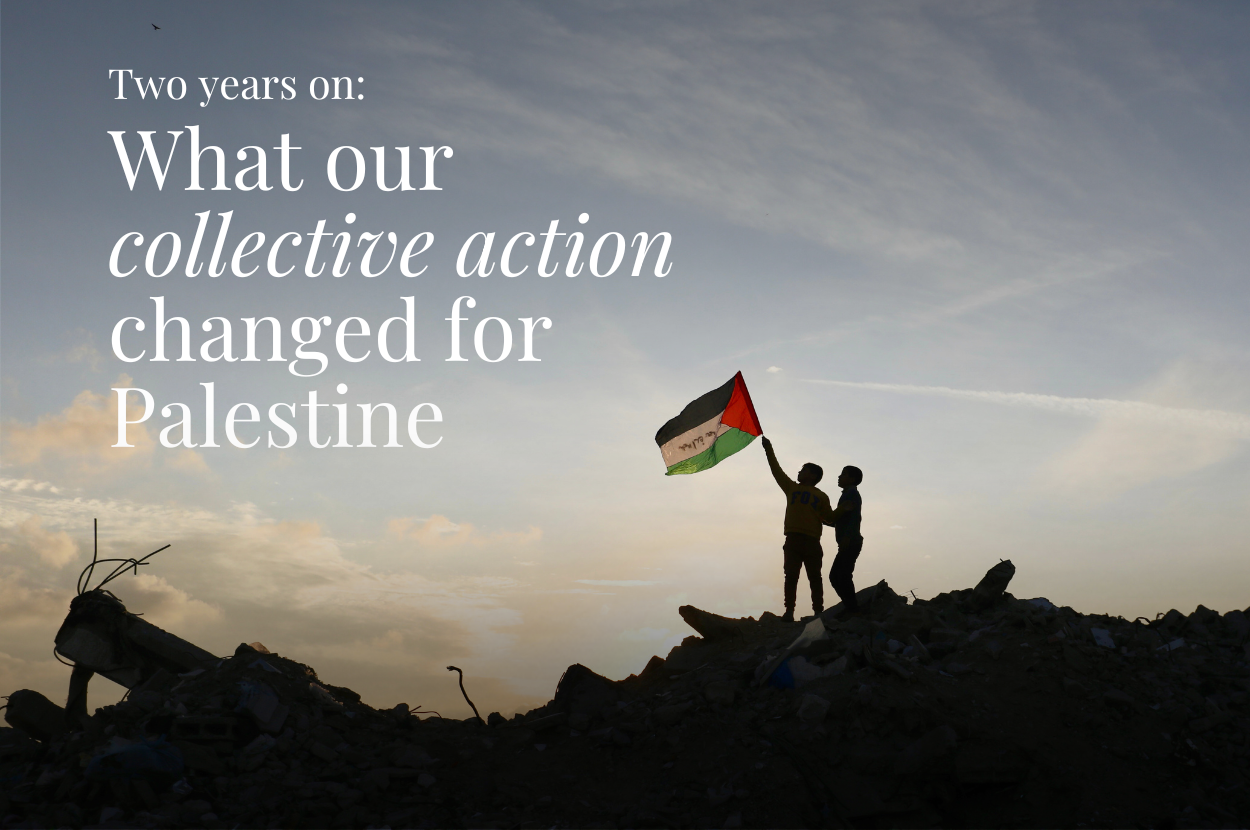
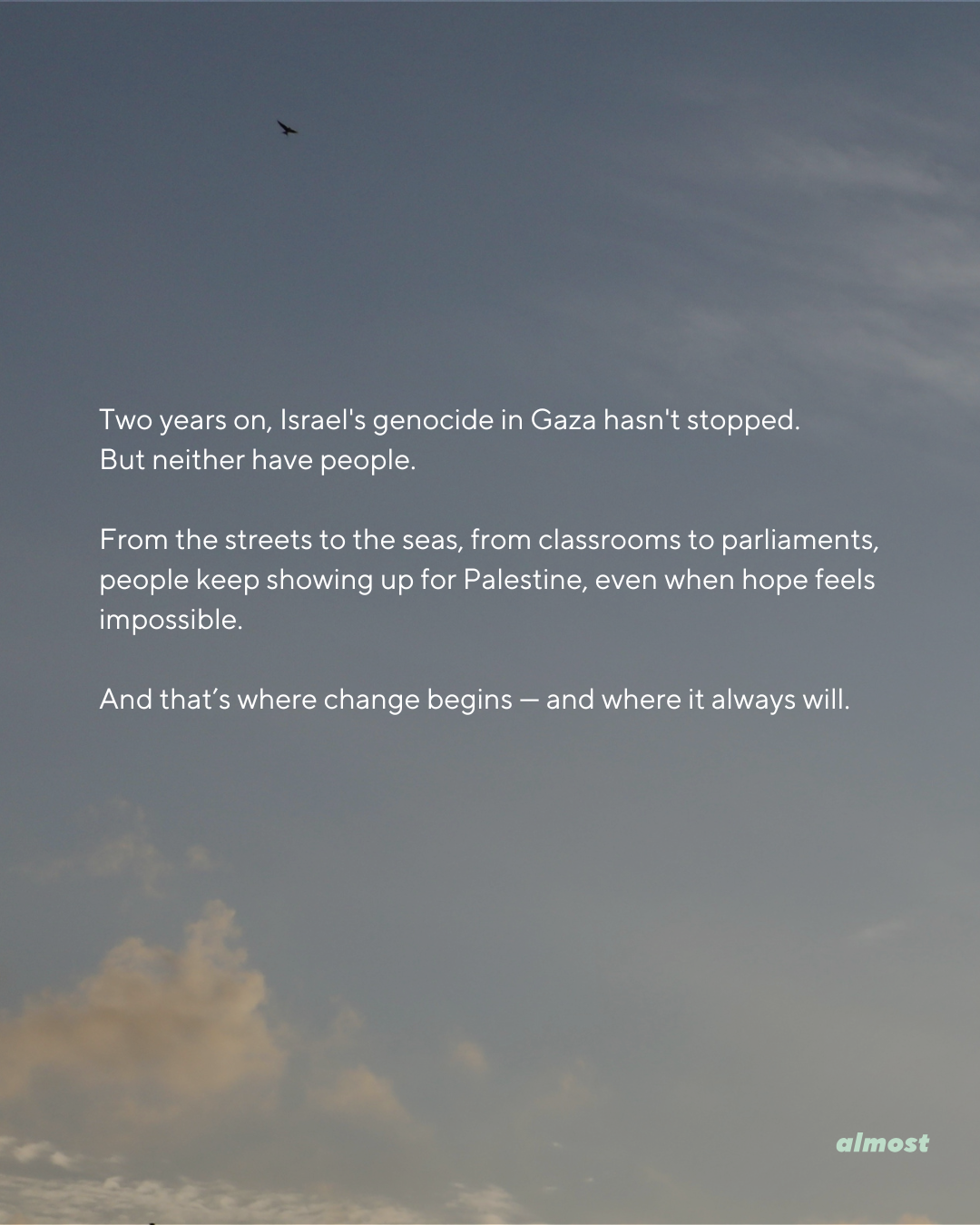
Two years on, Israel’s genocide in Gaza hasn‘t stopped. But neither have people.
From the streets to the seas, from classrooms to parliaments, people keep showing up for Palestine, even when hope feels impossible.
And that’s where change begins — and where it always will.
Palestine became impossible to ignore.
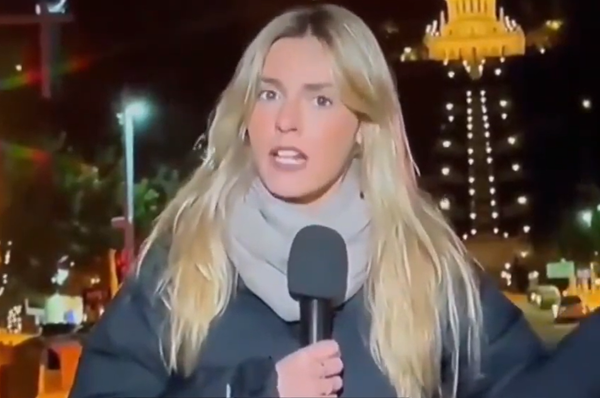
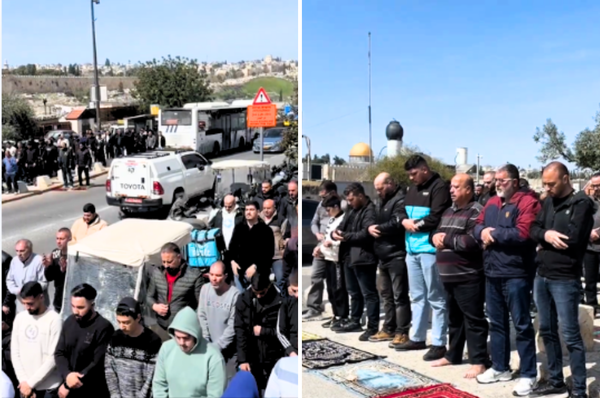
From Australia to Yemen, the Netherlands to Bangladesh, millions filled the streets, week after week, demanding an end to Israel’s genocide in Gaza. Tech workers walked out over their companies’ contracts with the Israeli military. Politicians wore Palestine’s colors inside parliaments. Doctors, healthcare workers and journalists joined across continents.
It showed that people power still matters, and it started to move politics.
Governments began to act.
Change came slowly, but it came.
In 2024, Spain, Norway, Slovenia, and Ireland recognized Palestine.
In 2025, the United Kingdom, Canada, Australia, Portugal, France, Belgium, Luxembourg, Malta, Monaco and Andorra joined them.
Recognition doesn’t dismantle an occupation or genocide, but it weakens the systems that have protected it for decades.
When governments failed to act, people did.
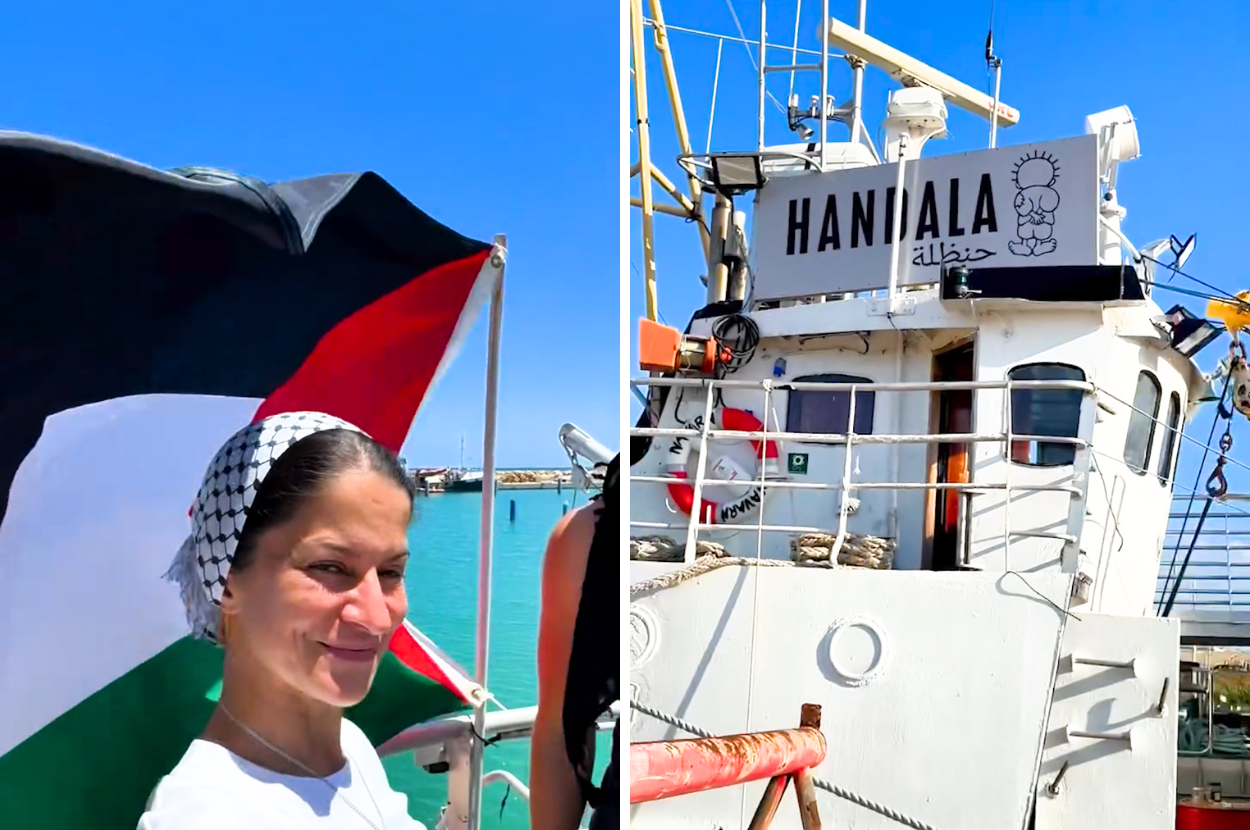
From the Madleen to the Handala to the Conscience, people around the world showed what solidarity looks like — taking direct action and risking their lives to break Israel’s siege on Gaza.
Despite being attacked, intercepted, abducted and deported, they kept going.
Wave after wave of missions grew into a global movement: thousands driving in a convoy from Tunisia, activists flying into Egypt to march to Gaza and the Global Sumud Flotilla, the largest civilian fleet of small vessels, carrying activists from more than 45 countries to deliver aid to Gaza.
The world’s highest institutions finally called it what it is.
In January 2024, the International Court of Justice (ICJ) found that Israel was plausibly committing genocide in Gaza, ordering it to prevent further killings and allow in humanitarian aid.
By 2025, the evidence was undeniable. The United Nations declared that Israel is committing genocide in Gaza and urged states to act without waiting for a final ruling from the ICJ or the International Criminal Court (ICC), confirming what Palestinians have been saying all along — and the world ignored.
The first governments stopped participating.
Slovenia became the first European Union state to impose a full weapons embargo on Israel.
Spain followed, announcing a total arms embargo and banning ships and aircraft carrying weapons or fuel to Israel from using its ports and airspace.
Turkey went further still, cutting off all trade and economic ties with Israel, the most sweeping action yet taken by any country.
It marked the beginning of states chipping away at the systems that make a genocide possible.
Israeli leaders began facing tangible consequences beyond words.
Slovenia became the first European Union country to bar Prime Minister Benjamin Netanyahu from entering, citing the ICC’s arrest warrant for his war crimes.
Along with the Netherlands, it also banned far-right Israeli ministers Itamar Ben-Gvir and Bezalel Smotrich for inciting violence against Palestinians and calling for the destruction of Gaza.
Britain, Australia, Canada, New Zealand and Norway also imposed coordinated financial sanctions on the two men, freezing assets and restricting financial dealings.
Palestine broke through every aspect of public life.
Across film, music, sports, and art, Palestine broke through the boundaries of what was once unspeakable.
After months of silence, celebrities finally began to speak up, using red carpets, award shows and interviews to call Israel’s genocide in Gaza by its name. The short film “The Voice of Hind Rajab” won global acclaim. Musicians and artists organized solidarity concerts like Together for Palestine, while others — rapper Macklemore, actors Javier Bardem and Susan Sarandon who stood with Gaza from the start — showed others how to use their platforms to demand justice.
In sports, pro-Palestine protesters shut down Spain’s annual cycling tour La Vuelta over an Israeli team’s participation, and Spain later threatened to withdraw from the 2026 World Cup if Israel was included.
BDS started to work.
cross campuses, classrooms, and corporations, economic pressure became a moral stance.
Student-led movements forced several universities to divest from Israeli companies and cut ties with institutions complicit in the occupation.
Norway’s sovereign wealth fund — the largest in the world — divested from several Israeli firms involved in the occupation and terminated contracts tied to Israeli investments.
Microsoft cut off its Azure AI services to Israel’s Unit 8200, the military surveillance unit accused of spying on millions of Palestinians.
It showed that no individual action is small when millions choose to act.
Read More
 Kassy Cho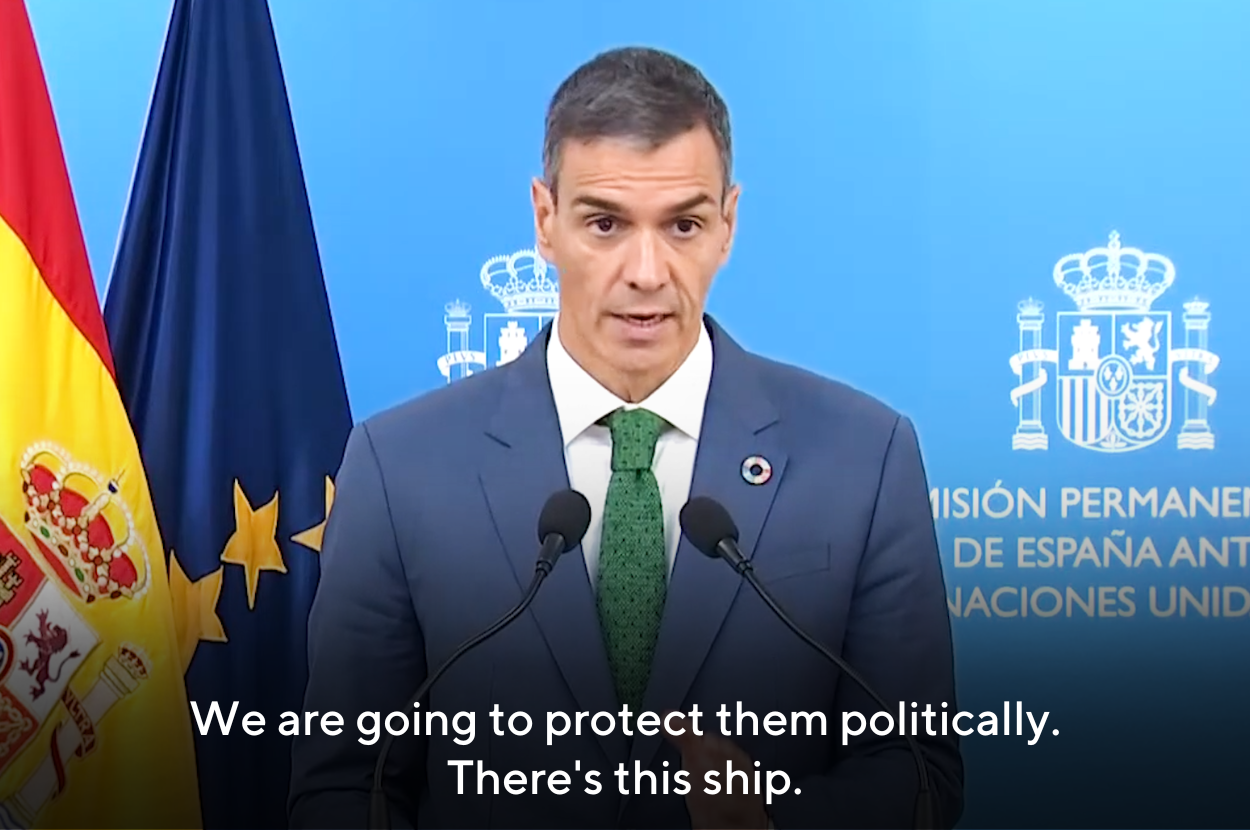
 Cherry Mohamed
 Cherry Mohamed