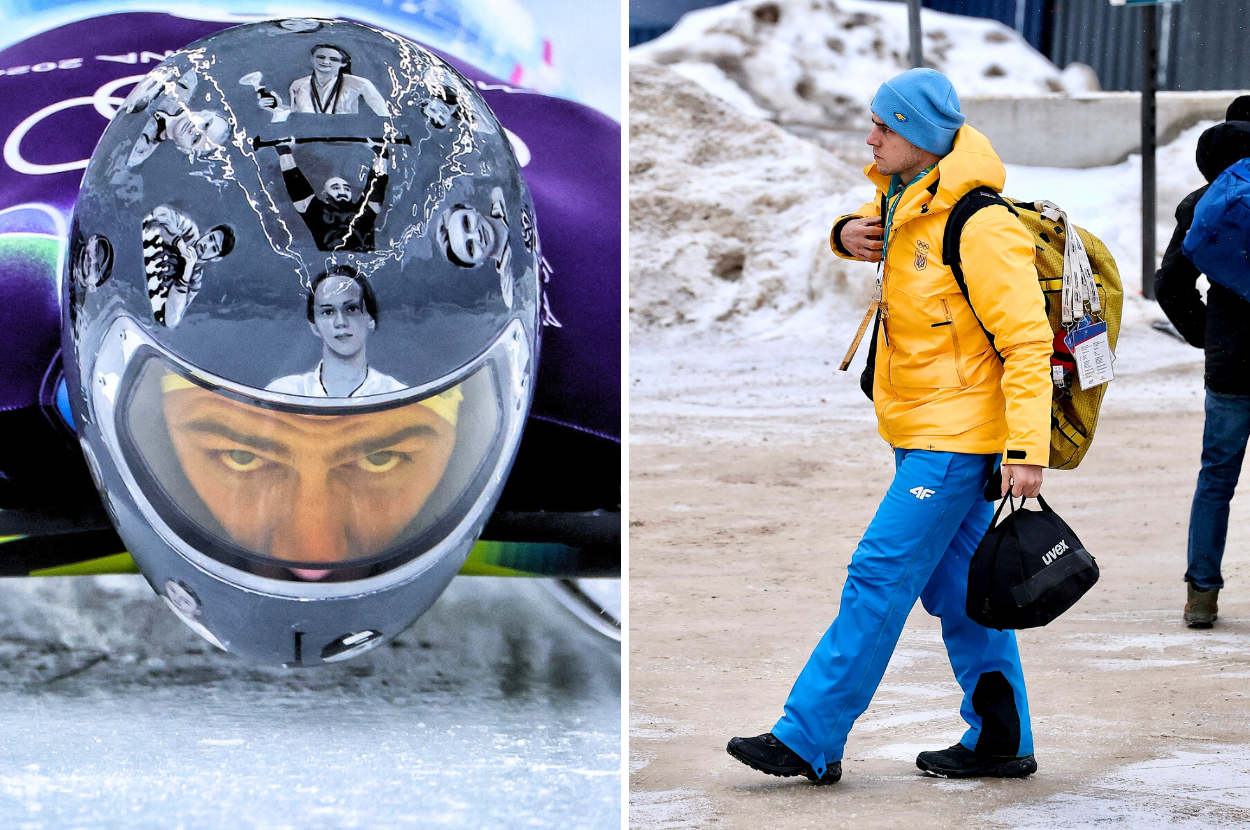
In A First In 50 Years, A US Olympic Skater Landed A Backflip This French Skater Was Punished For In 1998
On Saturay, Feb. 7, Ilia Malinin, also known as the “Quad God”, successfully executed the trick in his short program.

@almost.world After a 50-year ban, American figure skater Ilia Malinin has performed the first legal backflip at the 2026 Milan Cortina Winter Olympics, prompting tributes to French African skater Surya Bonaly, who first performed the move at the 1998 Nagano Olympics after it was banned. The move was first done by American figure skater Terry Kubicka in 1976 at the US Championships, who performed it again at the Winter Olympics the same year. The International Skating Union (ISU) subsequently banned the trick a month after the Olympics in March 1976, saying it was dangerous and against the principle of landing on one skate after a jump. It also said any skaters attempting the backflip would face scoring deductions at ISU-sanctioned events. 22 years later, at the 1998 Nagano Olympics, Bonaly, a French skater of African descent, illegally and successfully performed the move and landed on one leg — the minimum requirement for jumps — during her free skate. Bonaly, a five-time European Champion, was skating with a groin injury, and after placing sixth in the short program, knew she was not in medal position so decided to “leave the ice, giving people something to talk about.” Bonaly, who retired after the competition, faced deductions and finished tenth overall. However, she made her mark on figure skating history, and her lore has continued to live on with many seeing her flip as an act of defiance. Fast forward to 2024, Bonaly’s fellow countryman, Bordeaux-born Chinese-Mauritian skater Adam Siao Him Fa, performed the illegal flip now known as the “Bonaly flip” — at the European and World Championships. Fa — who is also competing in the 2026 Olympics — won the European Title anyway, despite facing deductions, calling it “a little French touch.” Months later, the ISU overturned the ban, saying “it may now be included as part of the choreographic sequence in the free skate.” Though the trick no longer incurs deductions, it is still worth zero technical points. On Feb. 7, Malinin, also known as the “Quad God”, successfully executed the trick in his short program, as well as the following night in his free skate program. On Saturay, Feb. 7, Malinin, also known as the “Quad God”, successfully executed the trick in his short program, as well as the following night in his free skate during the figure skating team event. Malinin is the heavy gold favorite as he is currently leading in the men’s individual after the short program. The men’s free skate on Friday, Feb. 13, will decide final standings. #figureskating #olympic #athletes #sports #tiktoknews
♬ original sound - Almost
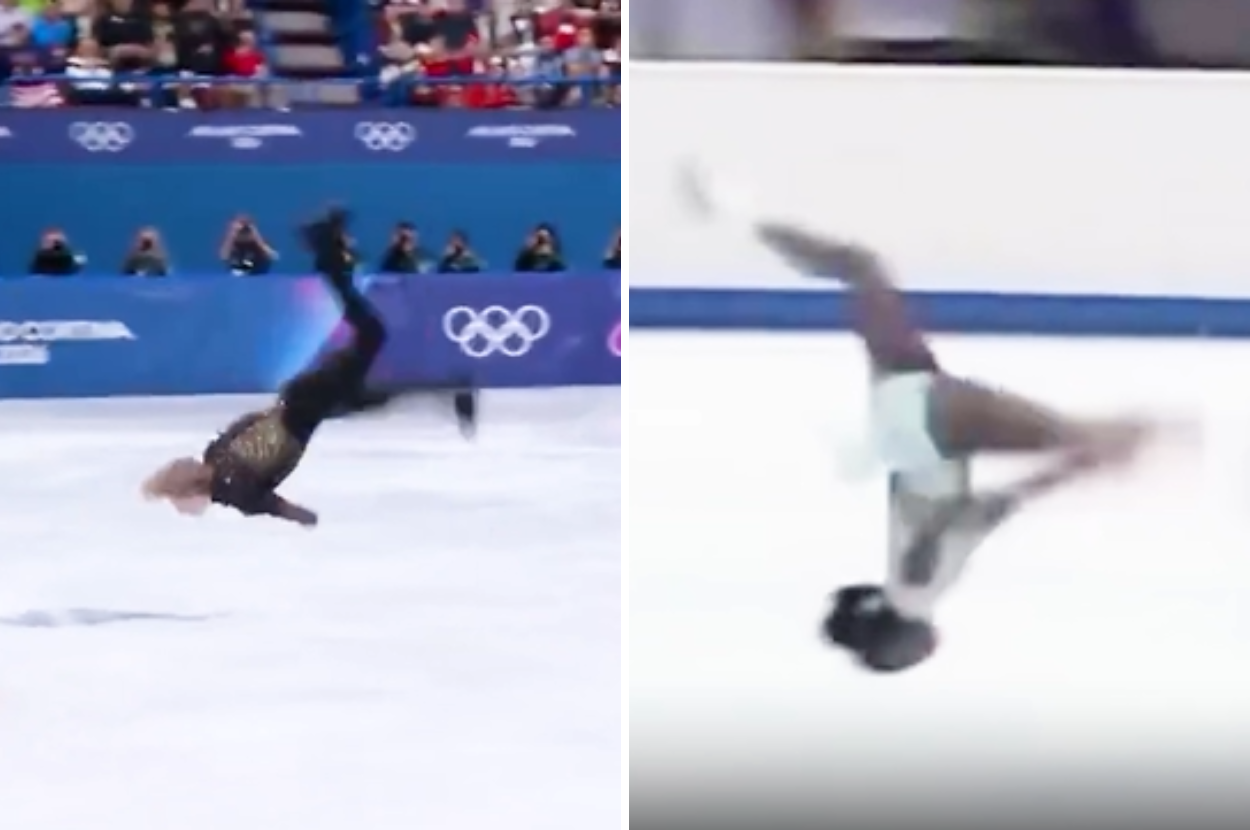
After a 50-year ban, American figure skater Ilia Malinin has performed the first legal backflip at the 2026 Milan Cortina Winter Olympics, prompting tributes to French African skater Surya Bonaly, who first performed the move at the 1998 Nagano Olympics after it was banned.
The move was first done by American figure skater Terry Kubicka in 1976 at the US Championships, who performed it again at the Winter Olympics the same year.
The International Skating Union (ISU) subsequently banned the trick a month after the Olympics in March 1976, saying it was dangerous and against the principle of landing on one skate after a jump.
It also said any skaters attempting the backflip would face scoring deductions at ISU-sanctioned events.
22 years later, at the 1998 Nagano Olympics, Bonaly, a French skater of African descent, illegally and successfully performed the move and landed on one leg — the minimum requirement for jumps — during her free skate.
Bonaly, a five-time European Champion, was skating with a groin injury, and after placing sixth in the short program, knew she was not in medal position so decided to “leave the ice, giving people something to talk about.”
Bonaly, who retired after the competition, faced deductions and finished tenth overall.
However, she made her mark on figure skating history, and her lore has continued to live on with many seeing her flip as an act of defiance.
Fast forward to 2024, Bonaly’s fellow countryman, Bordeaux-born Chinese-Mauritian skater Adam Siao Him Fa, performed the illegal flip now known as the “Bonaly flip” — at the European and World Championships.
Fa — who is also competing in the 2026 Olympics — won the European Title anyway, despite facing deductions, calling it “a little French touch.”
Months later, the ISU overturned the ban, saying “it may now be included as part of the choreographic sequence in the free skate.”
Though the trick no longer incurs deductions, it is still worth zero technical points.
Despite this, skaters like Malinin have since incorporated the high-risk, low-reward move into their programs.
On Saturay, Feb. 7, Malinin, also known as the “Quad God”, successfully executed the trick in his short program, as well as the following night in his free skate during the figure skating team event.
Malinin is the heavy gold favorite as he is currently leading in the men’s individual after the short program.
The men’s free skate on Friday, Feb. 13, will decide final standings.
More On Milan Cortina Olympics
 Steph Lu
 Cherry Mohamed
 Cherry Mohamed