Israel Has Become The World’s First Country To Formally Recognize Somaliland, Sparking Condemnation
Somaliland sits strategically along the Bab el Mandeb Strait near the Gulf of Aden, a chokepoint through which roughly one third of global maritime trade passes.
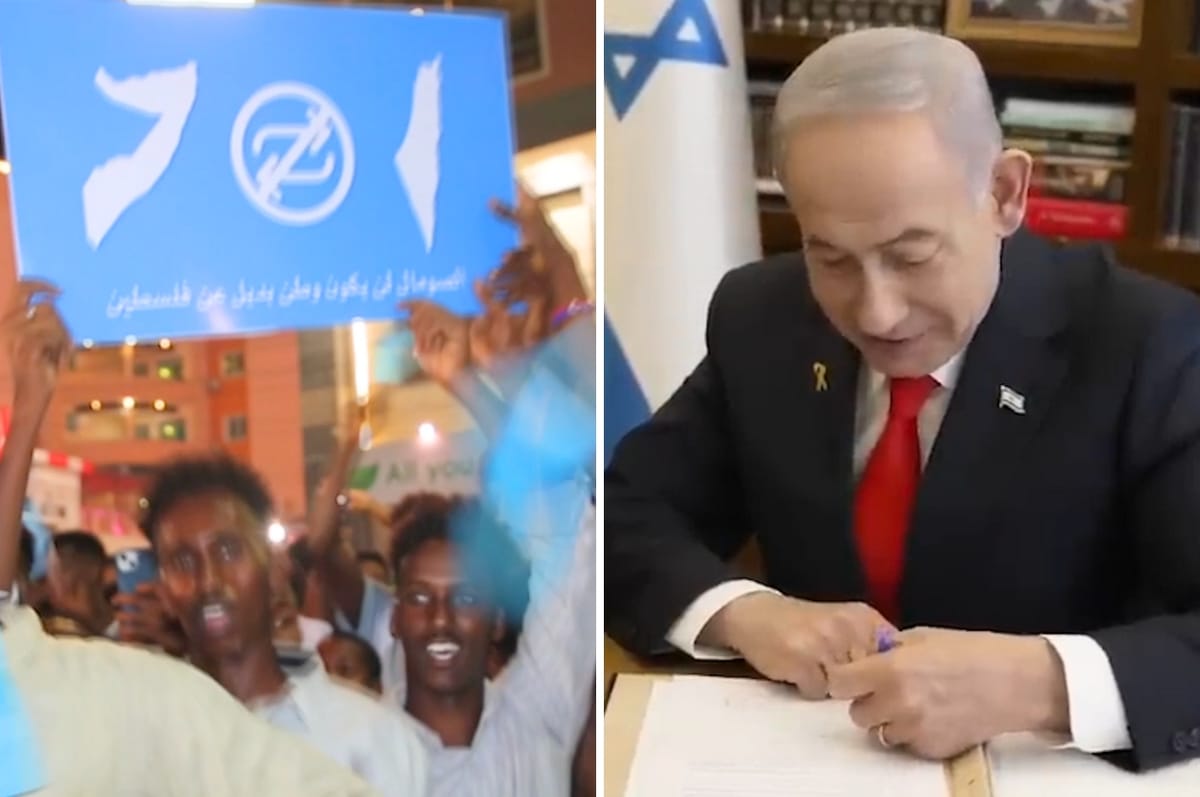
Israel formally recognized Somaliland’s independence on Friday, Dec. 26, after Prime Minister Benjamin Netanyahu held a FaceTime call with Somaliland’s president, Abdirahman Mohamed Abdullahi.
The shocking move made Israel the first UN member state to recognize Somaliland since it broke away from Somalia more than three decades ago.
Britain ruled Somaliland as a colonial protectorate for more than 80 years until British Somaliland gained independence on June 26, 1960, before uniting days later with Italian-ruled Somalia to form the Somali Republic.
In 1969, Somalia’s military ruler, Siad Barre, governed northern Somalia, today’s Somaliland, which faced severe repression.
In the late 1980s, Barre’s forces bombed major cities and carried out mass killings against civilians. Tens of thousands were killed, and much of the region was destroyed.
After Barre’s government collapsed in 1991, Somaliland declared independence.
Since then, Somaliland has sought recognition as an independent country from Somalia.
Somaliland sits strategically along the Bab el Mandeb Strait near the Gulf of Aden, a chokepoint through which roughly one third of global maritime trade passes.
Its position near Yemen, home to the Houthis who have targeted Israel-bound ships in the Red Sea since Oct. 7, 2023, heightens the security stakes.
Large protests across Somalia and Somaliland on Dec. 30 drew tens of thousands of people opposed to the decision.
Footage from Somaliland on the evening of Friday, Dec. 26, showed hundreds of people gathered in public squares, waving Israeli flags as large outdoor screens displayed the Israeli flag.
Somalia labelled Israel’s recognition “a threat to regional stability” and an act of “aggression.”
Large protests across Somalia on Dec. 30 drew tens of thousands of people opposed to the decision.
At a UN Security Council meeting on Monday, Dec. 29, Israel’s deputy ambassador Jonathan Miller defended the decision, citing Somalia’s history of mass violence against civilians.
“Entire cities were destroyed. Civilians were deliberately targeted. These crimes are now widely recognised as genocide," Miller said.
He referenced a warning letter submitted in 1988 by Israel’s then representative to the Council as contextual background.
Somalia’s ambassador responded and said that if the Council was talking about genocide, “it is Israel that has committed this before our own eyes every day,” accusing Israel of “killing more than 70,000 people.”
“To come to this place, and lecture us [on] humanity and genocide and human rights and independence and democracy. And we know what you’re doing on a daily basis. It’s just an insult," he added.
The State of Palestine issued a statement on Saturday, Dec. 27, rejecting the recognition and reaffirming its support for Somalia’s unity, sovereignty and territorial integrity.
It said any attempt to divide Somali territory or create parallel entities was inconsistent with international law.
Turkey’s president Recep Tayyip Erdogan called the move “unacceptable” and “illegal,” saying it aimed to destabilize the Horn of Africa.
Yemen’s Houthi movement warned that any Israeli presence in Somaliland would be treated as a military target, tying the issue to broader Red Sea security.
The United States has so far declined to follow Israel’s lead. President Donald Trump said Washington was “not ready” to recognise Somaliland and that the matter was “under study.”
In an interview, Trump said, “Does anyone know what Somaliland is, really?” and dismissed a proposed port access as a “big deal.”
 Cherry Mohamed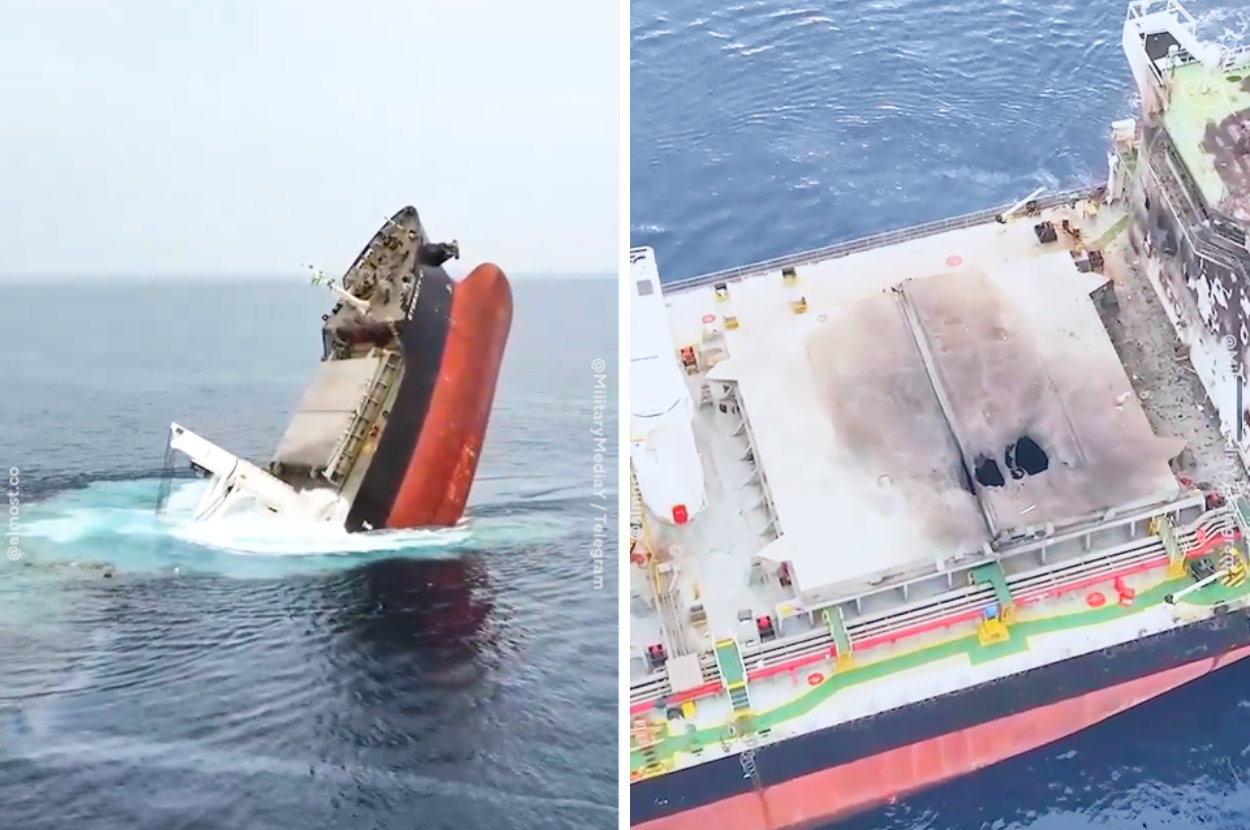
 Cherry Mohamed
 Cherry Mohamed