France Said It Will Increase Its Nuclear Warheads After The US And Israel Launched A War Against Iran
Macron said the expansion responds to "multiple threats" including Russia's nuclear advancements during its ongoing invasion of Ukraine, escalating tensions in the Middle East and perceived US retrenchment in European security.

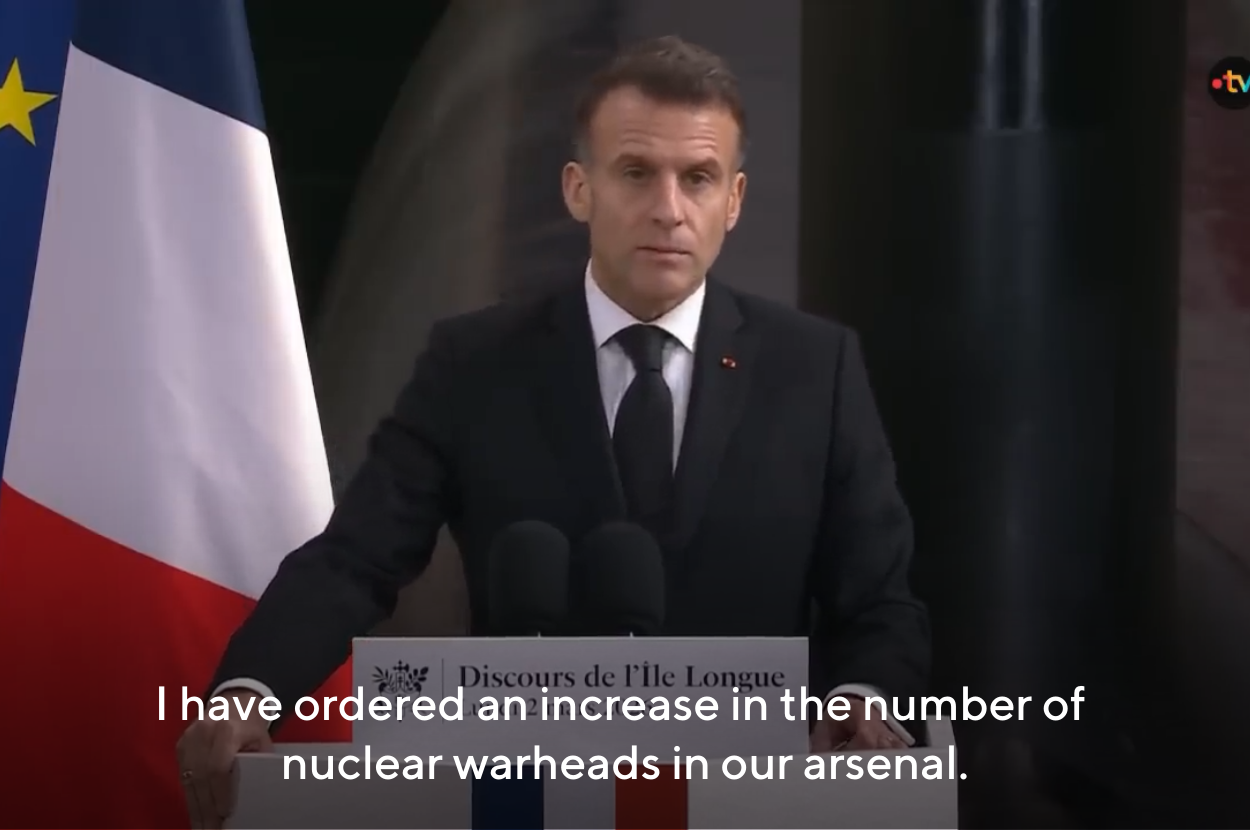
French president Emmanuel Macron has announced plans to expand France's nuclear arsenal for the first time since 1992 due to rising global tensions, after the US and Israel launched an unprovoked attack on Iran.
On Saturday, Feb. 28, US president Donald Trump announced Israel and the US are launching a “major combat operation” in Iran to “obliterate” Iran’s nuclear ambitions and for a regime change.
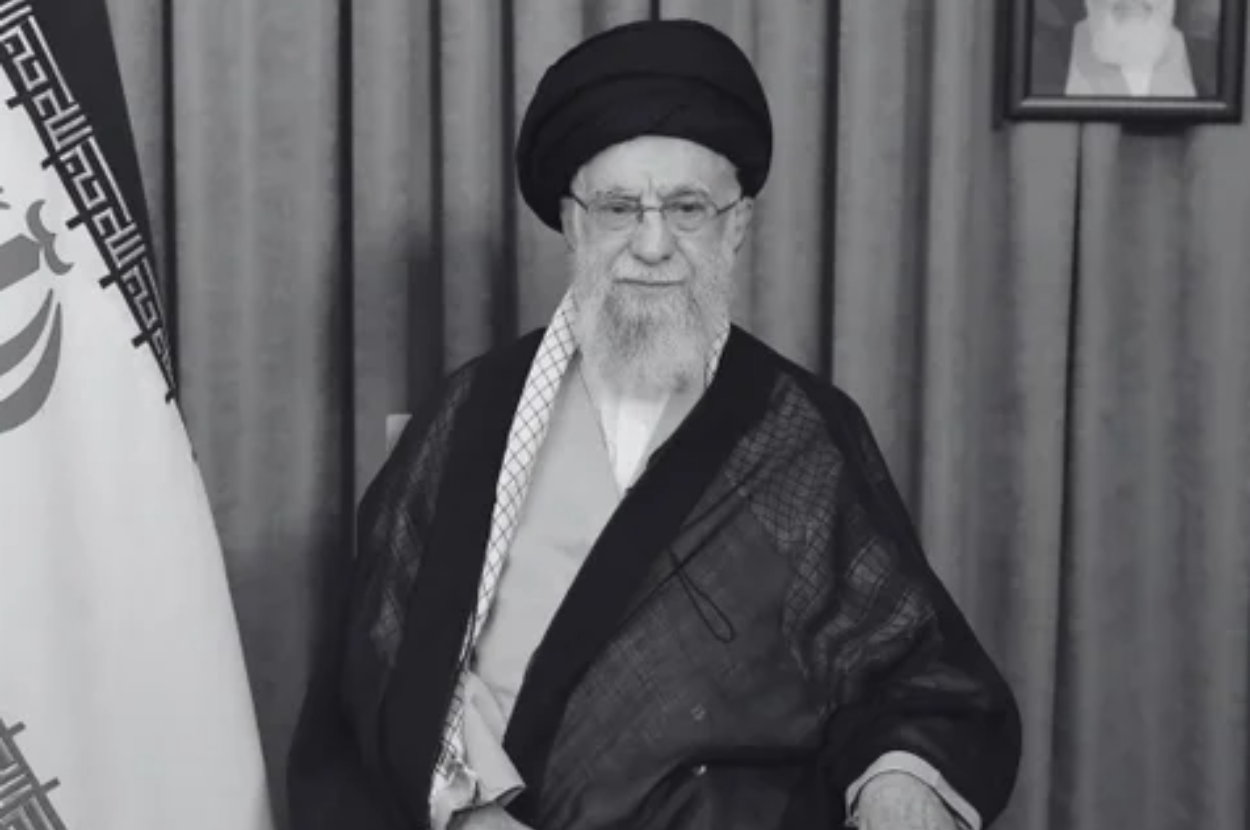
US missiles, drones and Israeli fighter jets targeted more than 500 sites across Iran, killing 555 people, including at least 165 children in a girls’ school, and Iran’s supreme leader Ayatollah Ali Khamenei.
In retaliation, Iran struck Israel and many US bases in the region, including the UAE, Qatar, Bahrain, Kuwait, Saudi Arabia, Iraq and Oman.
On Monday, March 2, Macron revealed during a speech at the Île Longue submarine base in Brittany, home to France's ballistic missile submarines, that France is expanding its nuclear warheads.
France's current stockpile of nuclear heads is estimated at 290 warheads, making it the fourth-largest globally after Russia, the US and China.
“I have ordered an increase in the number of nuclear warheads in our arsenal,” Macron said. “To put an end to any speculation, we will no longer communicate on the figures of our nuclear arsenal, contrary to what may have been the case in the past. To be free, therefore, one must be feared. And to be feared, one must be powerful. This increase in our arsenal attests to this.”
Macron said the expansion responds to "multiple threats" including Russia's nuclear advancements during its ongoing invasion of Ukraine, escalating tensions in the Middle East and perceived US retrenchment in European security.
“[The US’] recent national security and defense strategy shows a re‑arrangement of American priorities and a strong encouragement for Europe to take more direct care of its own security. We must hear this invitation to take more firmly in hand our destiny,” he said.
Macron said that under unspecified circumstances, France’s “strategic assets” could be deployed in other European countries, adding that talks on enhanced cooperation had already started with the UK, Germany, Poland, the Netherlands, Belgium, Greece, Sweden and Denmark.
“The half‑century to come will be an age of nuclear weapons. France, determined, free, confident, will fully play its role in it,” he added.
Earlier, France, Germany and the UK said in a joint statement they will take steps to defend their interests and those of their allies in the region through "necessary and proportionate defensive measures," including neutralizing Iran’s missile threats at their source after coordinating with the US and allies.
“Indiscriminate and disproportionate missile attacks launched by Iran against countries in the region, including those who were not involved in initial US and Israeli military operations. Iran’s reckless attacks have targeted our close allies and are threatening our service personnel and our civilians across the region,” the statement said.
More On US-Israel War On Iran
 Flavie Chen
 Cherry Mohamed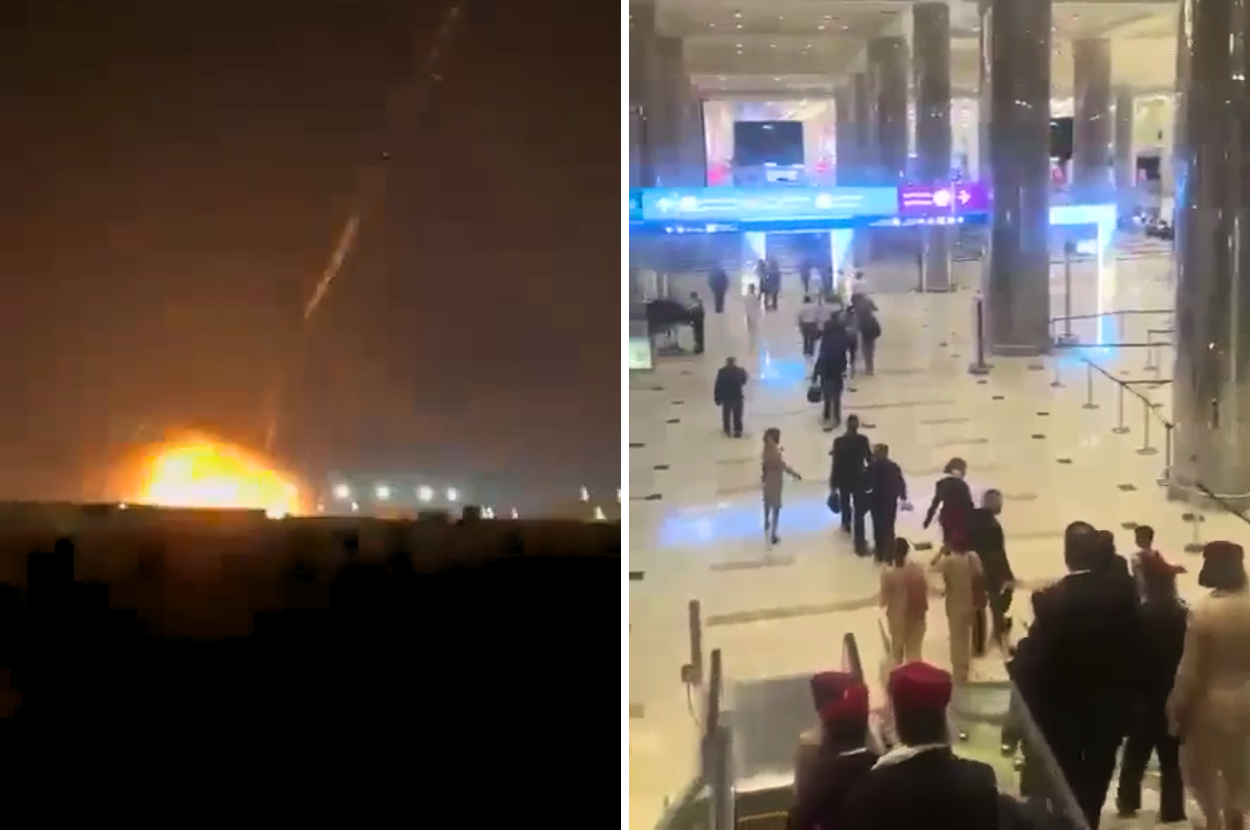
 Cherry Mohamed