Iran’s New Supreme Leader Has Vowed Revenge, Saying It Will Keep Blocking The Strait Of Hormuz
Shipping through the Strait of Hormuz between Iran and Oman, where nearly 20% of the world’s oil is transported, has ground to a near halt.

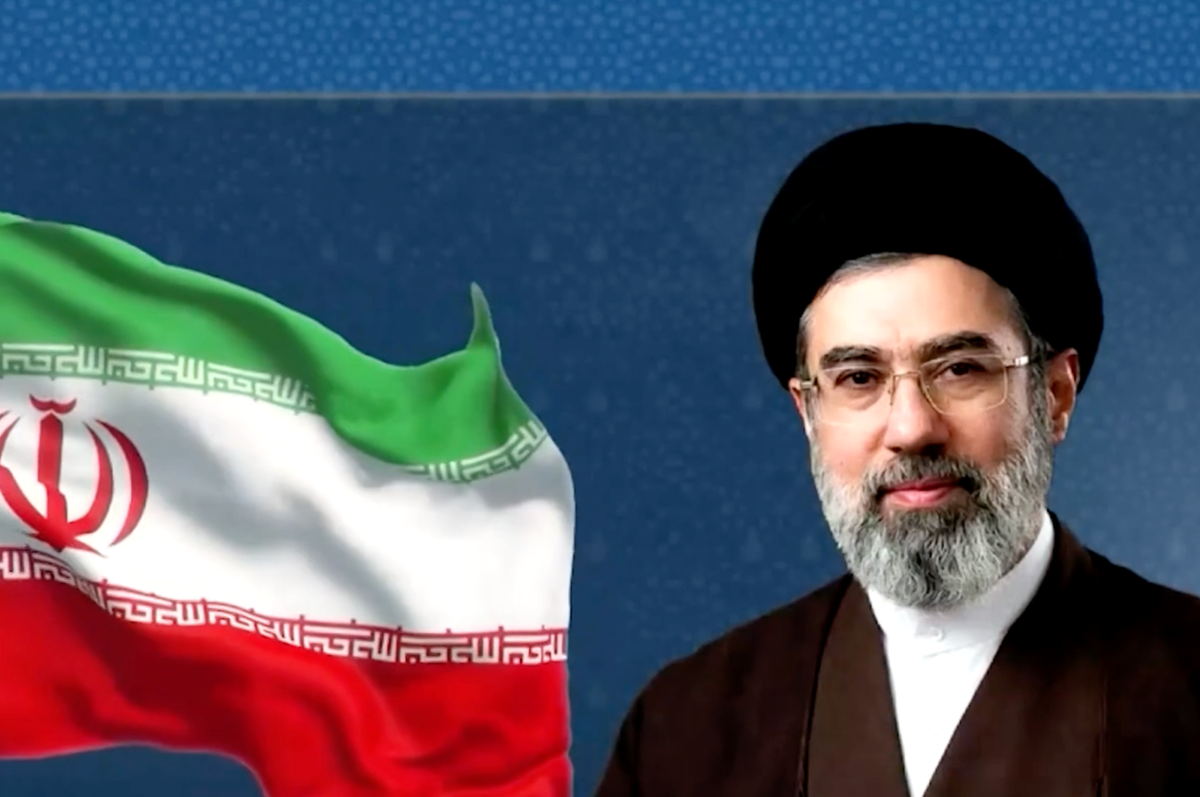
In his first statement since taking power, Iran’s new supreme leader Mojtaba Khamenei has vowed that Iran will continue fighting the US and Israel and promised revenge for those killed in the war.
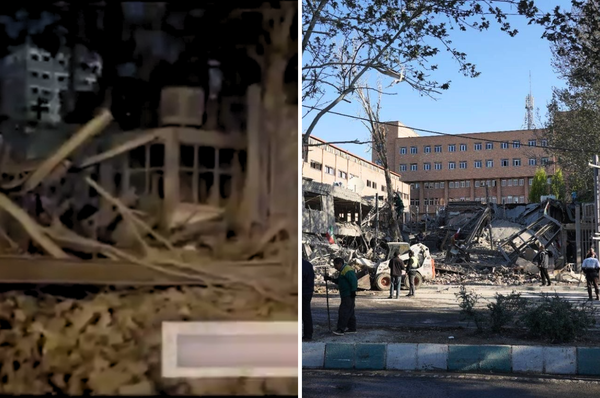
This comes after his father, Ayatollah Ali Khamenei, who ruled Iran for 37 years, was killed during strikes carried out by the US and Israel.Iran confirmed Ali’s death on March 1.
Iranian officials said Mojtaba had also been injured during the same strikes.
Mojtaba’s message was broadcast on Iranian state television and read by a presenter, which led to questions about his current health.
“I would like to thank the brave fighters who are doing a great job at a time when our country is under pressure and under attack,” the statement said.
“I assure everyone that we will not refrain from avenging the blood of your martyrs. The revenge we intend is not limited to the martyrdom of the great leader of the revolution alone; rather, any member of the nation who is martyred by the enemy,”the statement continued.
He also warned that the Strait of Hormuz, the world’s most important oil shipping route, could remain closed as part of Iran’s response.
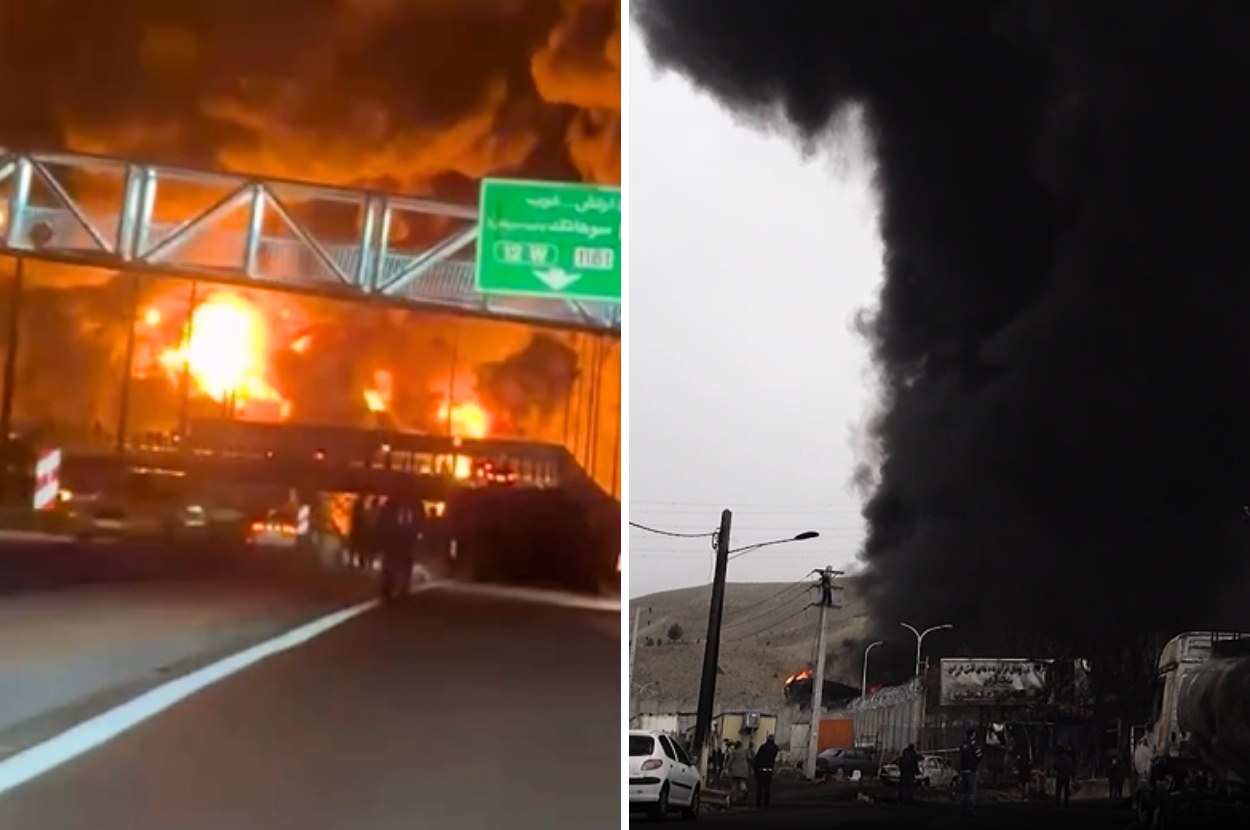
Iran has been retaliating by launching missiles and drones at Israel and at US military bases across the region, including in Gulf states that have American military bases.
Iran’s Revolutionary Guard Corps (IRGC) had also said the Strait of Hormuz is closed and warned it will attack any vessel attempting to pass through.
“We will also attack oil pipelines and will not allow a single drop of oil to leave the region. Oil price will reach $200 in the coming days,” it said in a post on the IRGC’s Telegram channel.
As a result, shipping through the Strait of Hormuz between Iran and Oman, where nearly 20% of the world’s oil is transported, has ground to a near halt, according to Reuters.
The cost of oil has jumped sharply to over US$100 a barrel from around US$70 a barrel.
The International Energy Agency (IEA) – a group of mostly rich countries that coordinate energy policy – has announced it will release a record 400 million barrels of oil from its emergency stockpiles to help cover the shortfall and steady prices.
More On US-Israel War On Iran
 Flavie Chen
 Cherry Mohamed
 Kassy Cho