Bangladesh's Ex-Prime Minister Has Been Sentenced To Death For Crimes Against Humanity In The 2024 Protests
The UN estimates that up to 1,400 people were killed in the protests, which is the worst political violence in Bangladesh since its independence war in 1971.

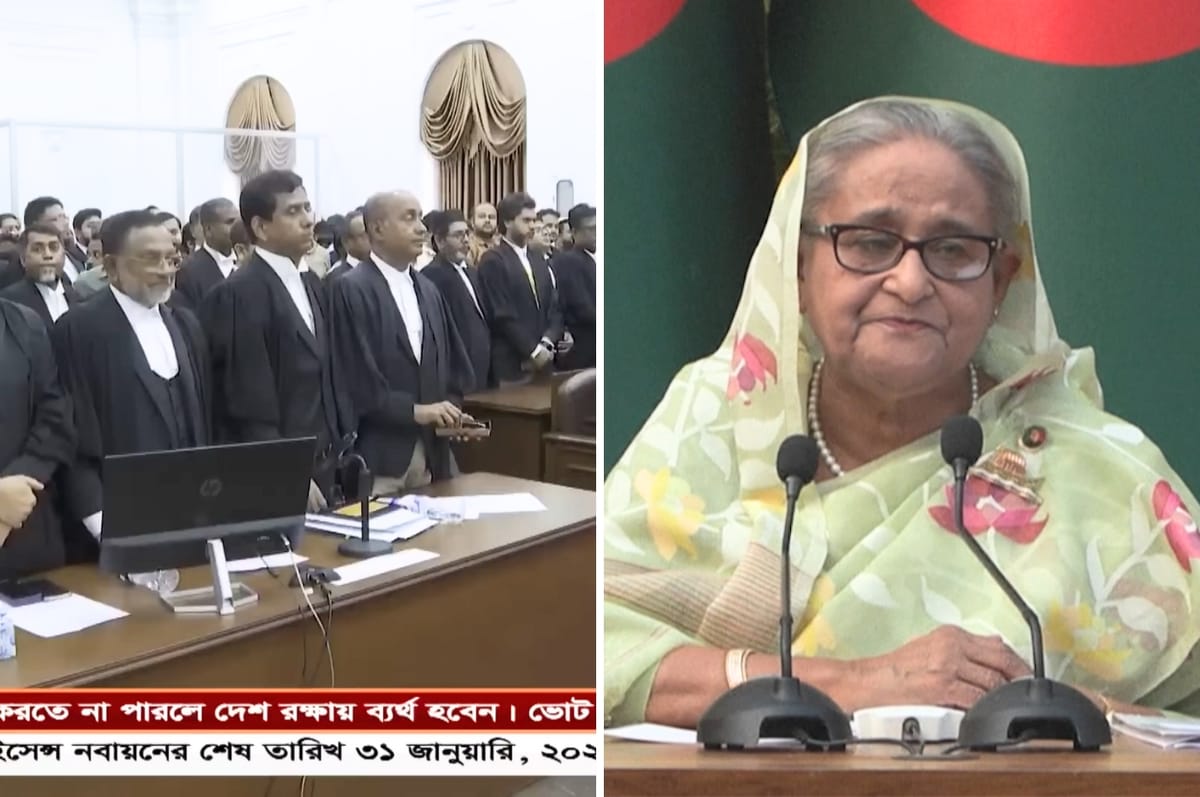
Bangladesh's ousted prime minister Sheikh Hasina has been sentenced to death in absentia by a court for crimes against humanity for cracking down on student-led, anti-government protests in 2024.
In July 2024, thousands of students in Bangladesh began taking to the streets after the government reinstated a system to reserve 30% of government jobs for veterans' families.
The job quota system saved a certain percentage of government jobs, which pay higher, for certain people.
These include marginalized groups such as women, Indigenous people, people with disabilities, as well as the children of veterans who fought in the war for Bangladesh’s independence from Pakistan in 1971.
Unemployment has been on the rise in Bangladesh, with nearly 32 million young people out of work or education, according to Reuters.
Protesters say the quota decreases the number of government jobs for people who can fill the roles based on merit.
They also say that the quota for veterans’ families favors supporters of prime minister Sheikh Hasina’s party, which had led the fight for independence.
After the demonstrations broke out, police started to violently crack down on protesters.
The UN estimates that up to 1,400 people were killed in the protests, which is the worst political violence in Bangladesh since its independence war in 1971.
The Supreme Court ultimately ruled to scale back the quota system so candidates will be hired based on merit, but students continued to demonstrate, demanding justice for the people killed and arrested during the protests.
Hasina then tried to propose peaceful talks with the protesters as a last resort, which was rejected by students.
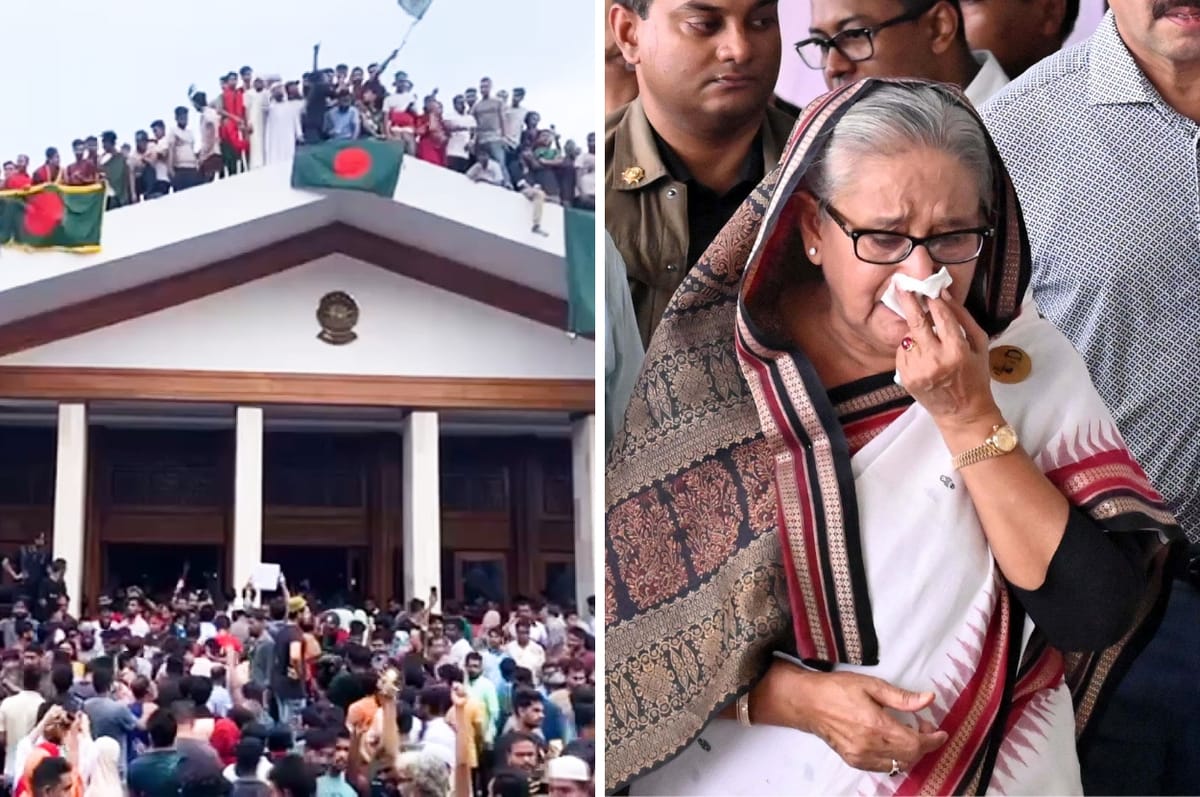
On Aug. 5, Hasina resigned and fled the country to India in a military helicopter.
After news about her departure emerged, hundreds of thousands of protesters broke curfew, marched through the capital, Dhaka, and invaded Hasina’s official residence to celebrate.
The country’s army chief announced Hasina’s resignation and said an interim government will be formed.
On Tuesday Aug. 6, the president dissolved the parliament, paving the way for an interim government, with the interim prime minister Nobel laureate Muhammad Yunus, being appointed by protest leaders.
On Nov. 17, the country's international crimes court found Hasina guilty of incitement, orders to kill and inaction to prevent atrocities during the crackdown on the protests, sentencing her to death in absentia.
The families of the victims welcomed the verdict, while the UN human rights office said the verdict was “an important moment for victims” but that Hasina should not have been sentenced to death.
Bangladesh will hold its first election since Hasina's fall in February 2026.
 Cherry Mohamed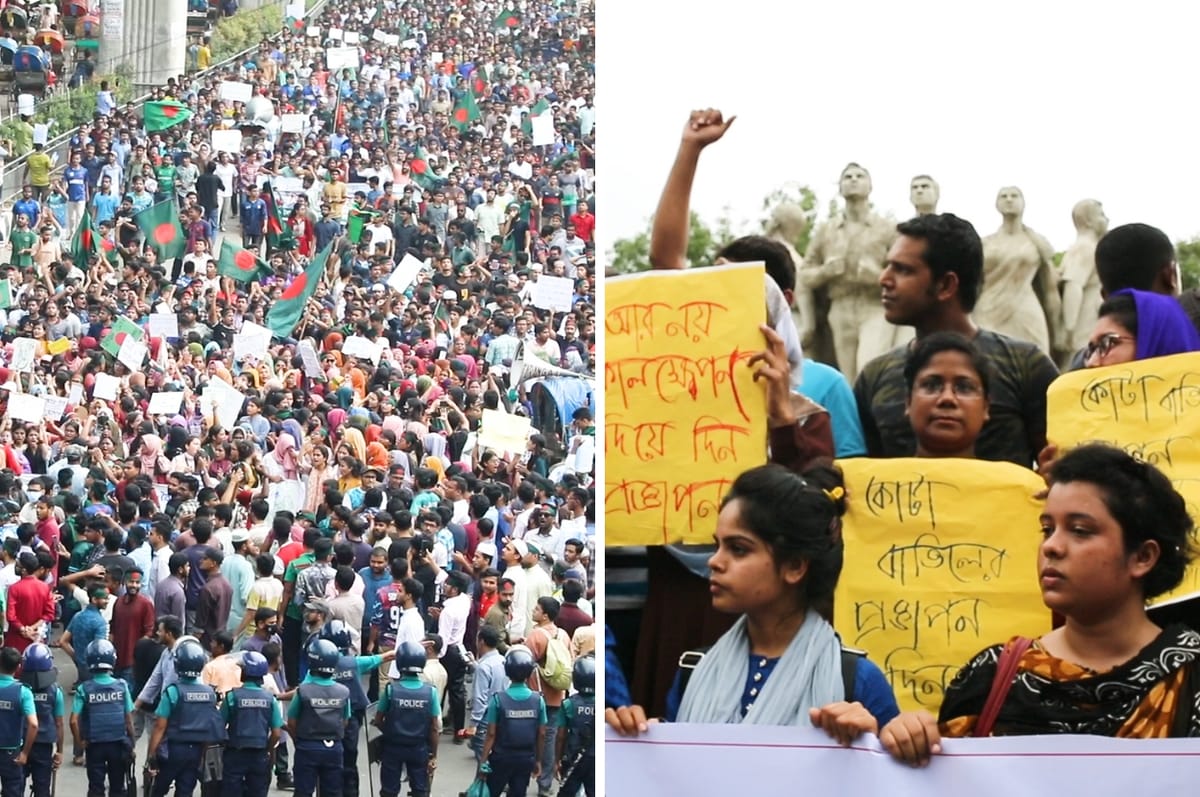
 Isha Jain