Spain Said It Will Ban Social Media For Children Under 16 And Hold Platform CEOs Accountable For Hateful Content
Spain’s prime minister Pedro Sánchez said the new law is meant to address the growing harm social media poses to children.

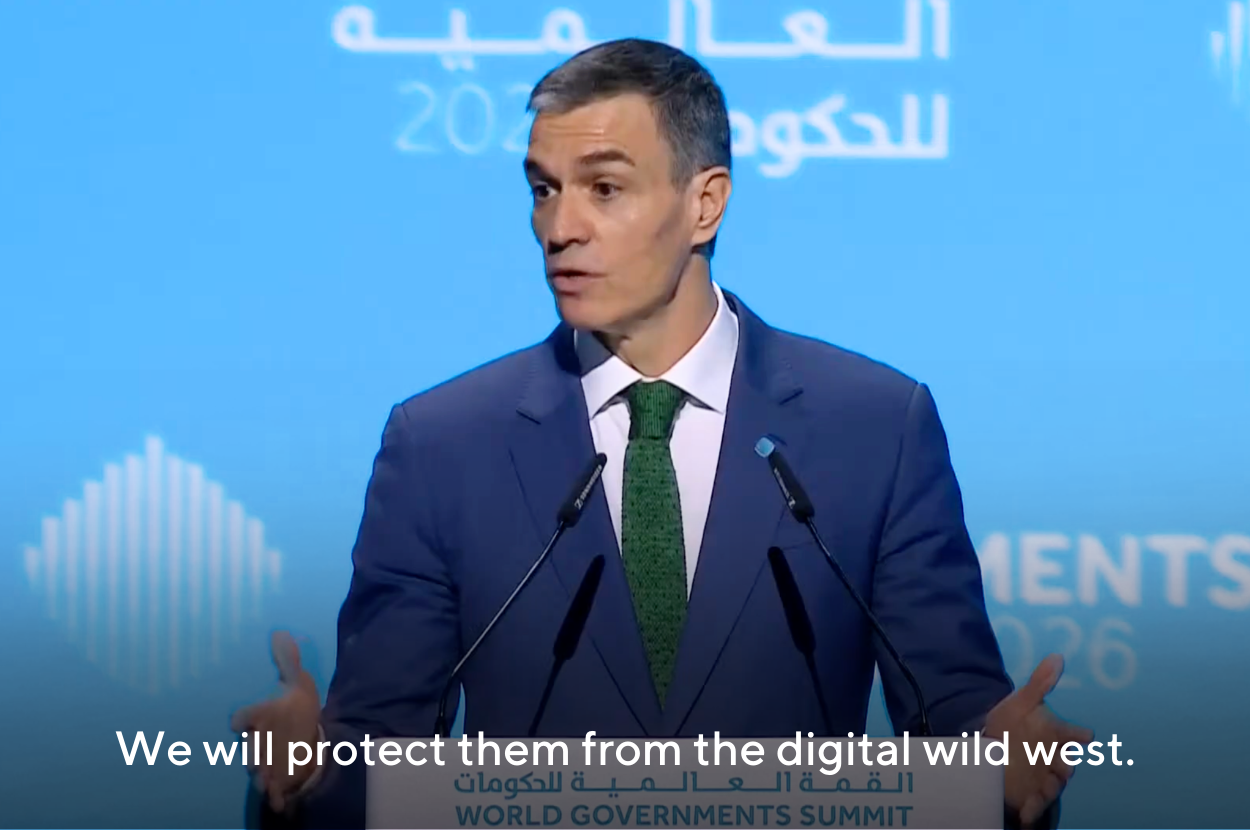
Spain’s government has announced it plans to ban social media for children under 16 to protect them from the“digital Wild West.”
Speaking at the World Governments Summit in Dubai, UAE, on Tuesday, Feb. 3, Spain’s prime minister Pedro Sánchez said the new law is meant to address the growing harm social media poses to children.
“Today our children are exposed to a space they were never meant to navigate alone — a space of addiction, abuse, pornography, manipulation and violence,” he said. “We will no longer accept that.”
Under the law, social media platforms would be required to implement age-verification measures to restrict access, while company executives could face criminal liability for failing to remove illegal or hateful content.
The rules would also extend to the spread of illegal content and disinformation, including cases where platforms’ algorithms actively amplify or promote it.
“Disinformation does not come out of nowhere. It is created, promoted and spread by certain actors. We will go after them as well as after the platforms whose algorithms amplify disinformation for profit.” Sánchez said.
He said Spain also plans to introduce a system to track and expose how digital platforms fuel polarization and amplify hate, laying the groundwork for future legal and financial penalties.
"Hiding behind code and claiming that technology is neutral is no longer acceptable," Sánchez said.
The new law still needs Spain’s parliament approval and is to be discussed in a government meeting the week after.
Spain’s move comes after Australia became the world's first country to introduce a nationwide ban on social media for children under 16 in December, followed by similar moves in France and Denmark.
The European Parliament is pushing for an EU-wide minimum age of 16 for social media and similar online services, with some allowance for 13 to 16-year-olds to use platforms only with parental consent.
 Ikran Dahir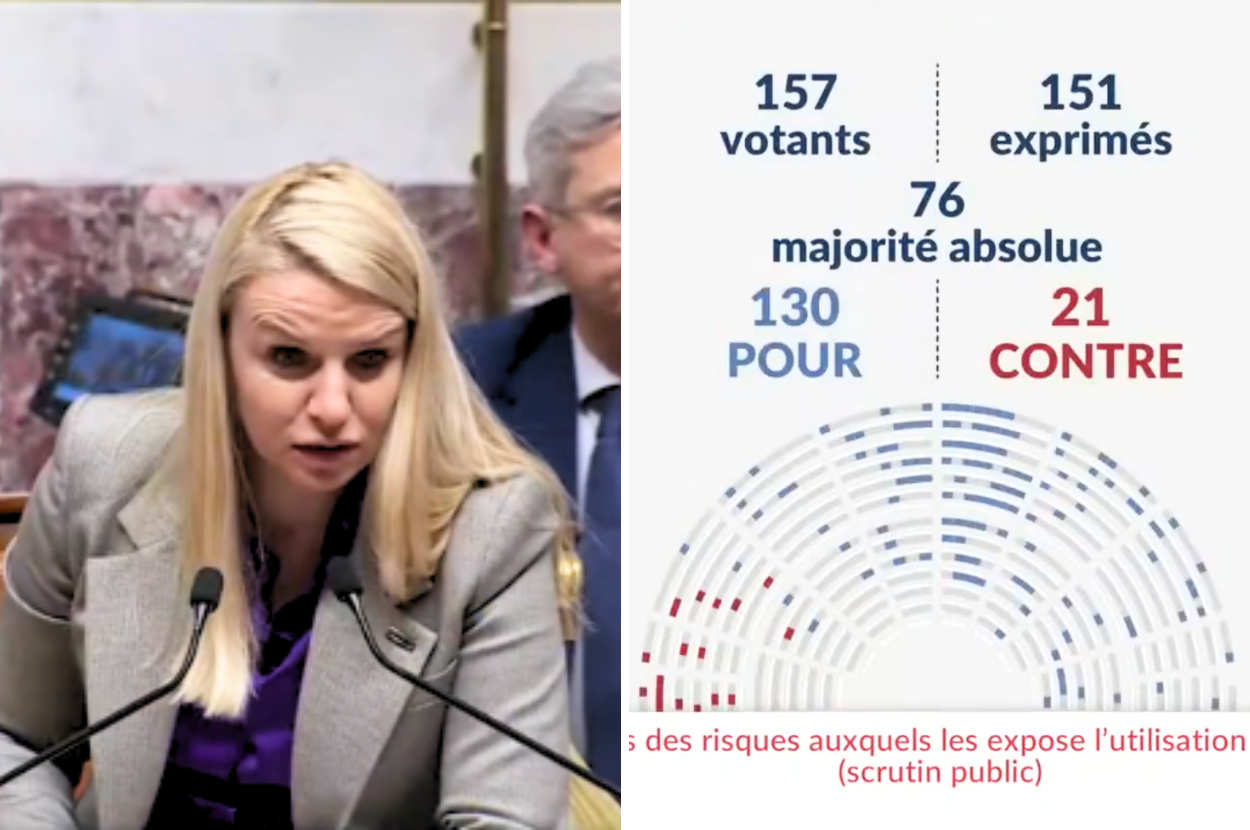
 Cherry Mohamed