Trump Has Named The Eight Executive Board Members Of The "Board Of Peace" In Gaza
The board is expected to have approximately 10 Arab and international leaders on it with an executive board attached to it.

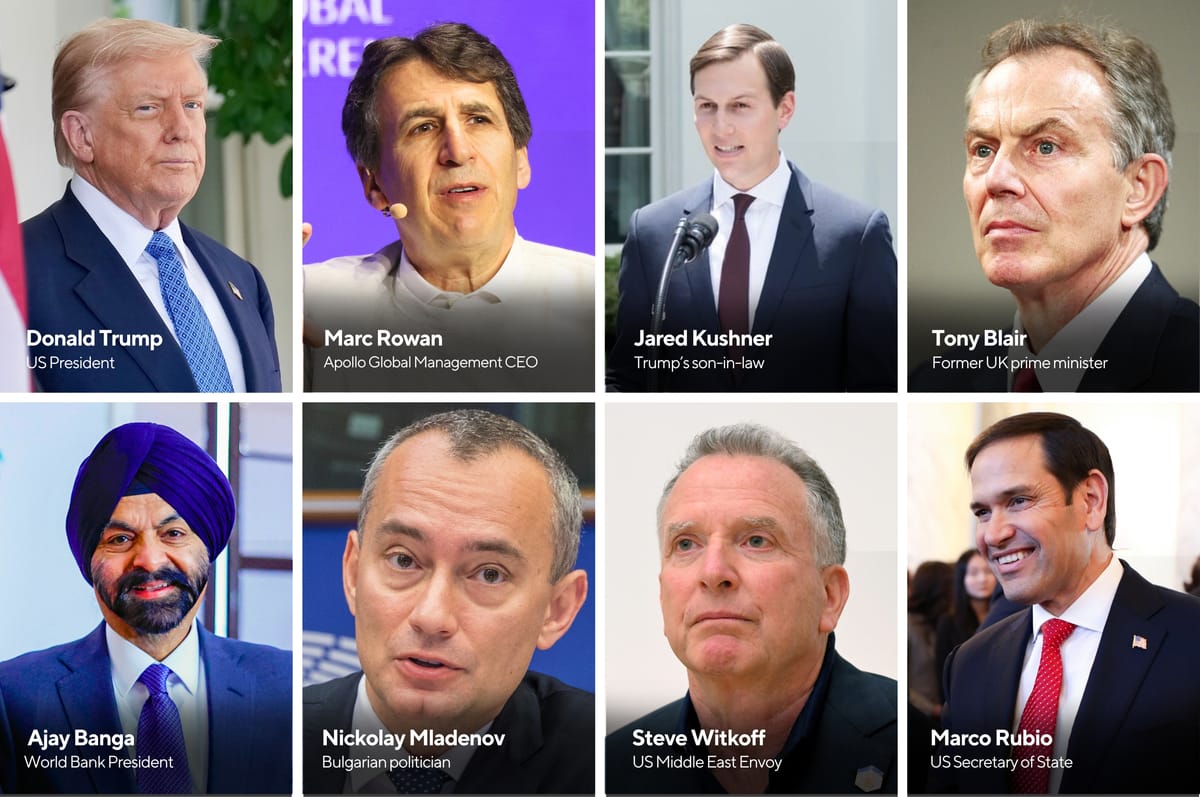
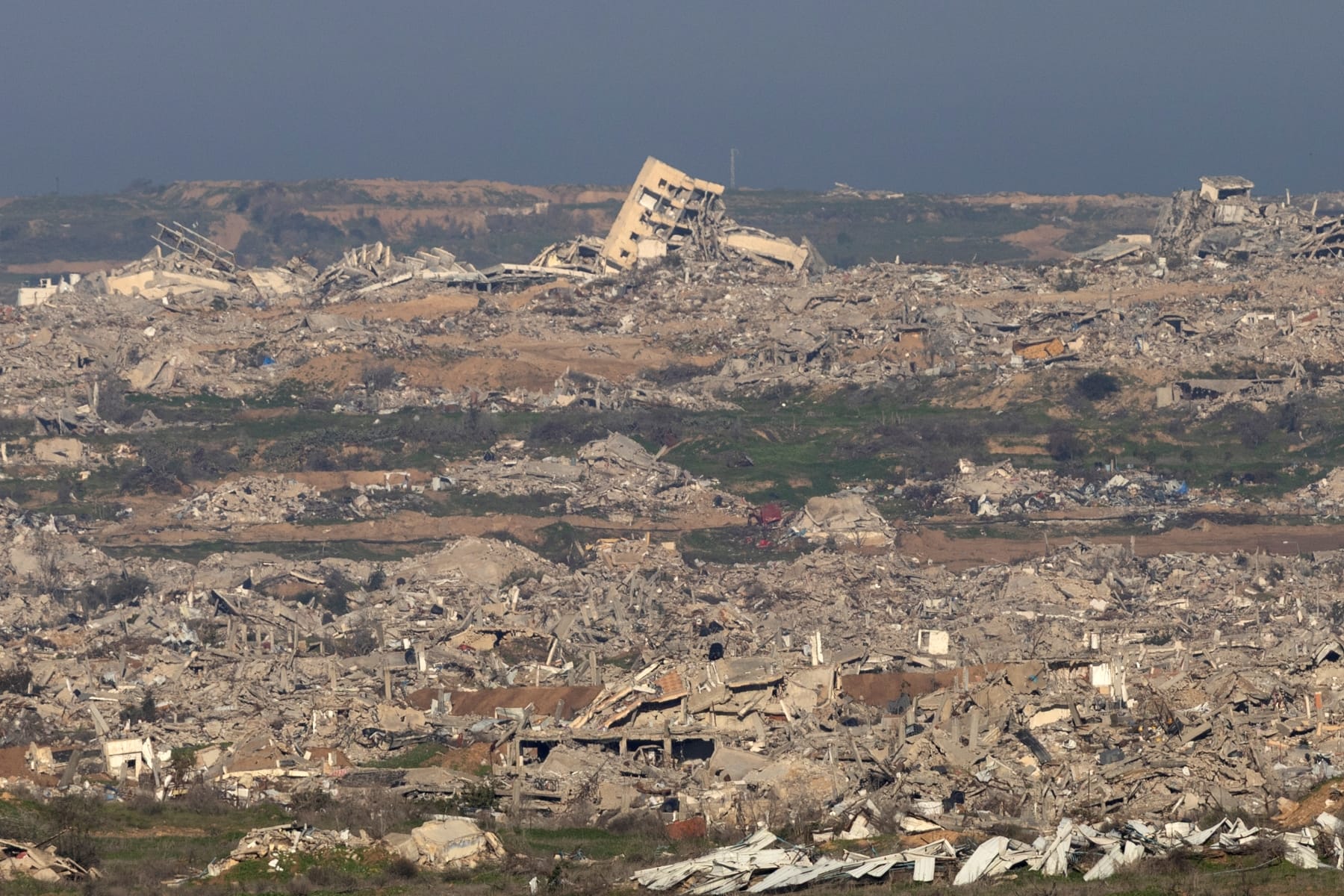
As part of the second phase of the “ceasefire” deal by US president Donald Trump, the White House has announced the executive members of the Board of Peace (BoP), which is supposed to oversee the governance of Gaza.
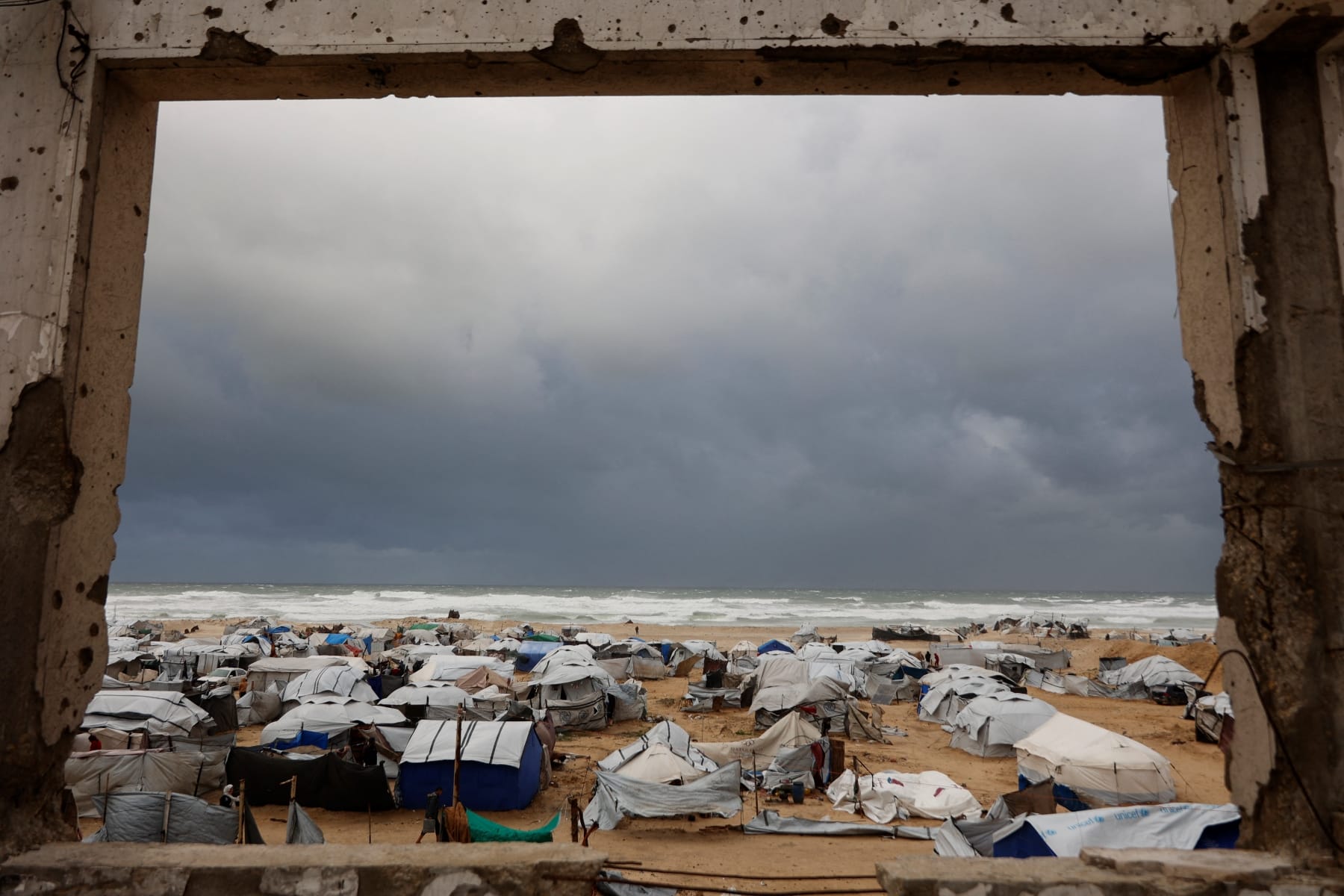
The BoP, which will be chaired by Trump, is tasked with overseeing Gaza's transitional governance, reconstruction and demilitarization.
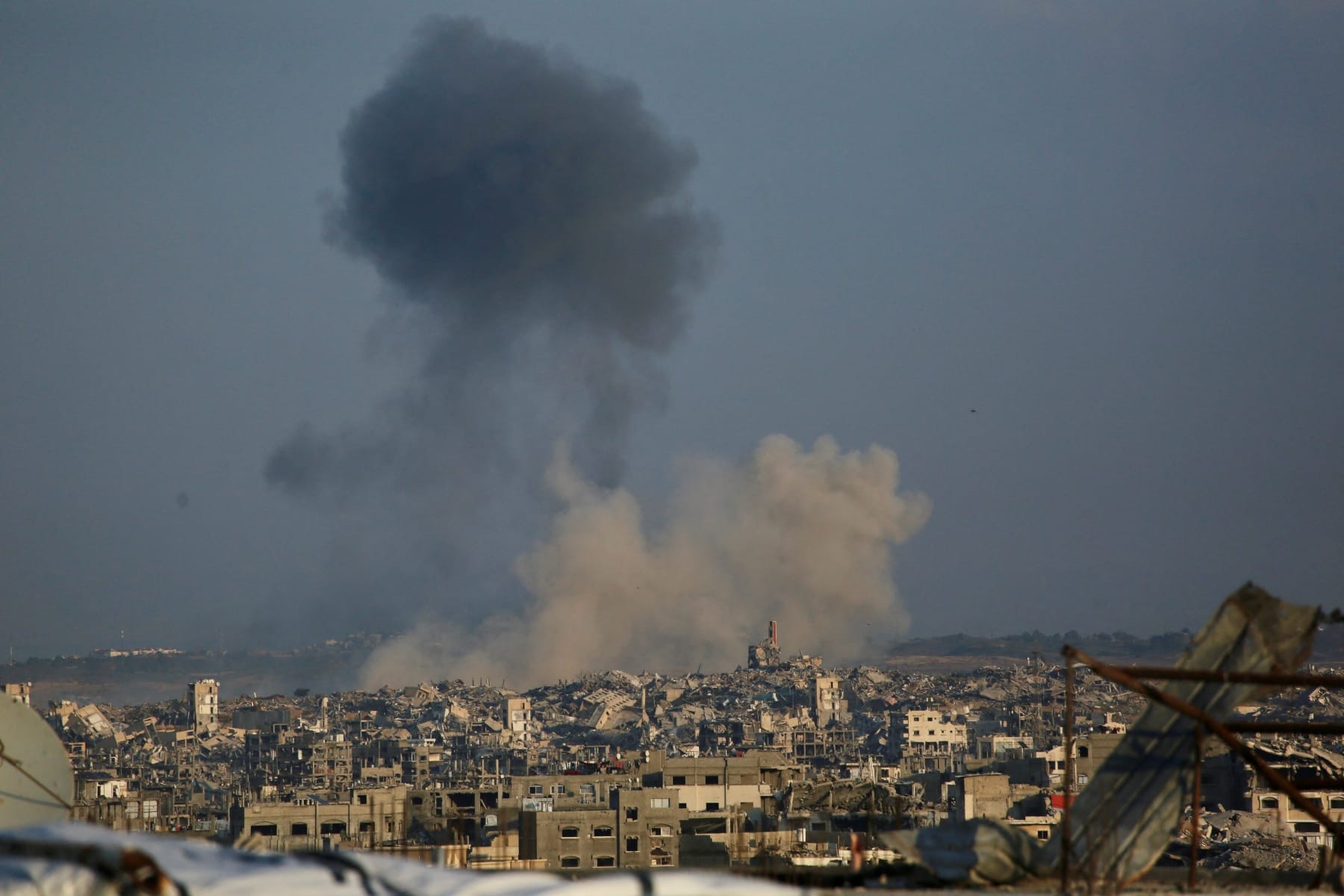
The BoP is expected to have approximately 10 Arab and international leaders on it with an executive board attached to it.
Trump’s government has reportedly sent invites to about 60 countries to join the board with some being invited to be founding members.
A draft charter was sent with the invitation, calling for members to reportedly contribute US$1 billion in cash if they want their membership to last more than three years, according to Reuters.
On Friday, Jan. 16, the White House then shared the names of the executive members of the BoP.
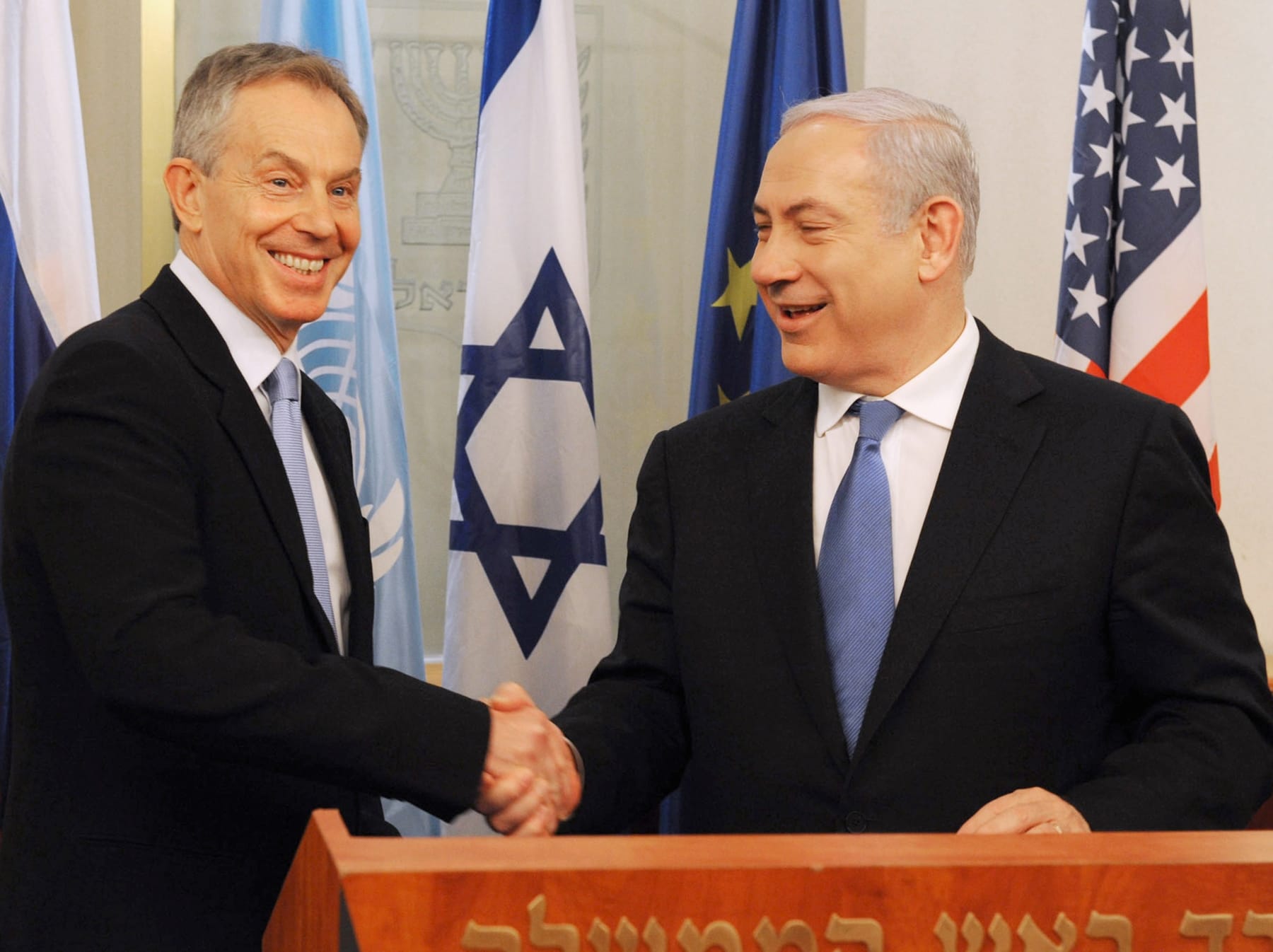
They include:
- Former British prime minister Tony Blair, who was the prime minister during the 2003 US-led invasion in Iraq and is seen by many in the Arab world and the UK as a “war criminal,” according to Al Jazeera.
- US Secretary of State Marco Rubio
- US Special Envoy to the Middle East Steve Witkoff
- Trump’s son-in-law Jared Kushner, who has close ties to Israeli prime minister Benjamin Netanyahu
- US national security advisor Robert Gabriel
- Billionaire and CEO of Apollo Global Management Marc Rowan
- The World Bank President Ajay Banga
- Bulgarian politician and former UN Middle East envoy Nickolay Mladenov, who will be the board’s on-the-ground representative in Gaza, working with the NCAG.
Each executive board member will oversee a defined portfolio critical to Gaza’s stabilization and long-term success, including, but not limited to, governance capacity-building, regional relations, reconstruction, investment attraction, large-scale funding and capital mobilization.
The White House also named a separate, 11-member "Gaza Executive Board" to support a committee of 15 Palestinian technocrats, known as the National Committee for the Administration of Gaza (NCAG).
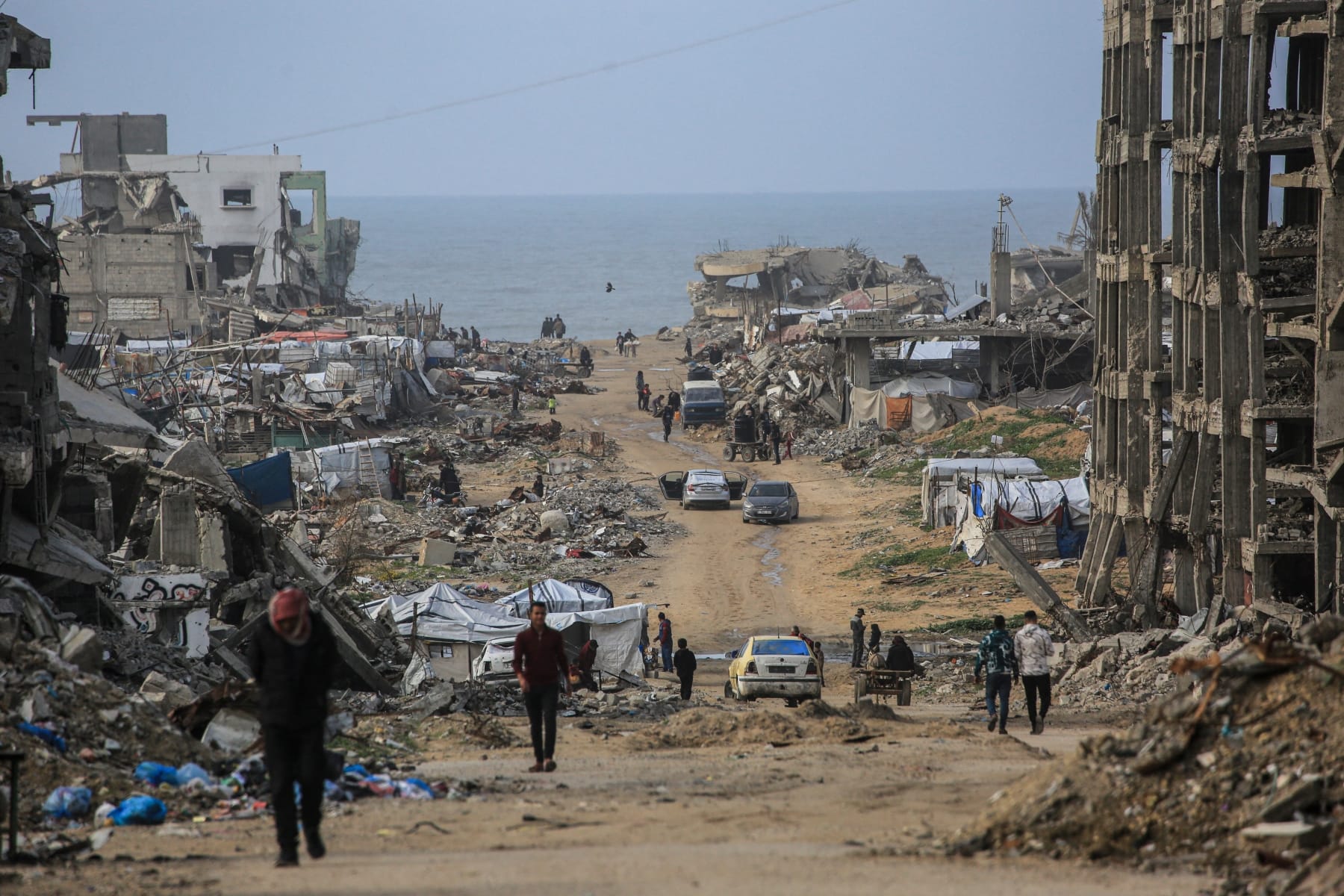
The NCAG is an interim government set up to manage day-to-day operations and administration in the Gaza Strip following the “ceasefire.”
The Gaza Executive Board including Witkoff, Kushner, Blair, Rowan, Mladenov, Turkish foreign minister Hakan Fidan, UN Middle East peace coordinator Sigrid Kaag, UAE International Cooperation Minister Reem Al-Hashimy, Qatari diplomat Ali Al-Thawadi, Egyptian General Hassan Rashad and Israeli-Cypriot billionaire Yakir Gabay.
The White House said more members will be announced over the coming weeks.
So far, no Palestinian members were included on the two separate senior boards that have been officially unveiled.
Netanyahu’s office appeared to oppose the lineup of the Gaza Executive Board, saying it “was not coordinated with Israel and runs contrary to its policy.”
Experts and critics have said that Trump’s plan resembles a colonial structure forcibly imposed on Palestinians.
The second phase of the ceasefire also includes Hamas’ disarmament, the creation of the NCAG and the reconstruction of Gaza.
 Cherry Mohamed
 Cherry Mohamed
 Ikran Dahir