In A Shocking Move, The UAE Has Announced It Is Leaving OPEC After Nearly 60 Years Over “National Interest”
The decision reflects “the UAE’s long-term strategic and economic vision and evolving energy profile.”

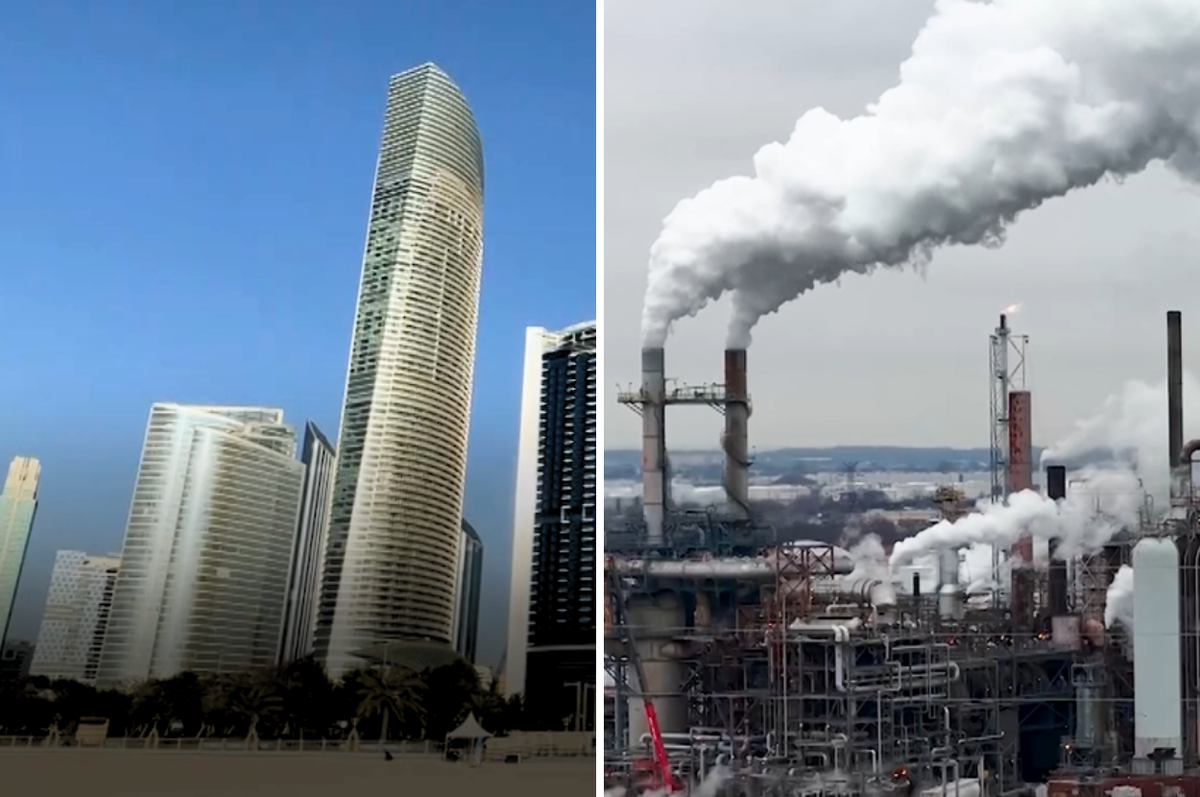
The UAE announced it is leaving OPEC, the group of countries that controls much of the world's oil supply, in a shocking blow to the group after nearly 60 years of membership.
OPEC, or the Organization of the Petroleum Exporting Countries, was founded in 1960 and includes major state-owned oil producers like Saudi Arabia, Kuwait and Iran.
It coordinates how much oil these countries produce in order to control the global price.
This is because if everyone produces as much oil as they possibly can, prices crash.
By agreeing together to limit supply, members keep prices high enough to fund their governments.
In more recent years, it expanded into a broader alliance called OPEC+, which also includes countries like Russia that are not official members but still coordinate on production levels.
The UAE joined OPEC in 1967, through its emirate of Abu Dhabi, which holds 95% of the country's oil reserves, four years before the UAE formally joined as a nation.
However, the UAE has long had a problem with OPEC’s quotas.
Abu Dhabi spent US$150 billion expanding its oil production capacity by nearly 40% over six years, reaching 4.85 million barrels per day, but the OPEC quota capped its output at around 3.2 million barrels per day, leaving enormous potential revenue sitting untapped.
On April 28, the UAE announced it is leaving OPEC, saying its decision reflects “the UAE’s long-term strategic and economic vision and evolving energy profile,” according to Al Jazeera.
“During our time in the organization, we made significant contributions and even greater sacrifices for the benefit of all,” the UAE state media said in a statement. “However, the time has come to focus our efforts on what our national interest dictates.”
Officials said the decision allows the country to bypass OPEC production quotas, enabling it to pursue its goal of reaching a production capacity of five million barrels per day by 2027.
The Emirati energy ministry said this move is a policy decision centered on national interest and is not a reaction to the actions of other members, such as Saudi Arabia.
The UAE’S decision to leave the group was also accelerated after the US and Israel launched their war on Iran, which led the latter to close the Strait of Hormuz, through which 20% of the world’s oil is transported, in retaliation, leading global oil prices to spike.
The UAE's output nearly halved in the weeks after the strait closed, with Abu Dhabi's production dropping 45% to 1.89 million barrels per day.
Analysts said the move is a blow to OPEC's influence and its ability to maintain a unified stance on oil prices, particularly as global demand continues to fluctuate due to geopolitical tensions.
The UAE said it intends to continue monitoring market stability and engaging with global producers and consumers.
The UAE formally exited OPEC and the wider OPEC+ alliance on May 1.
You Might Also Be Interested In
 Flavie Chen
 Cherry Mohamed
 Cherry Mohamed