The UK’s Disgraced Ex-Prince Andrew Was Arrested Over Allegedly Sending Government Secrets To Epstein
Andrew could be facing life imprisonment if found guilty.

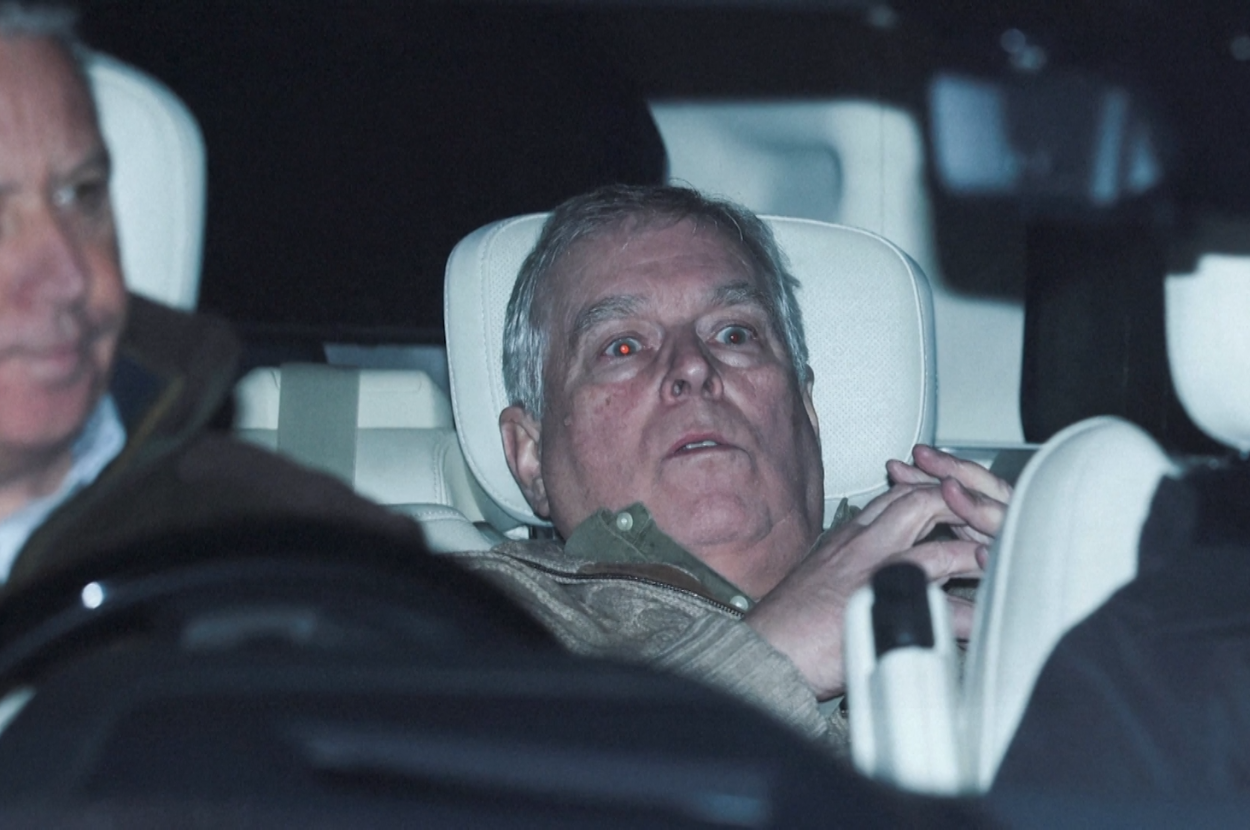
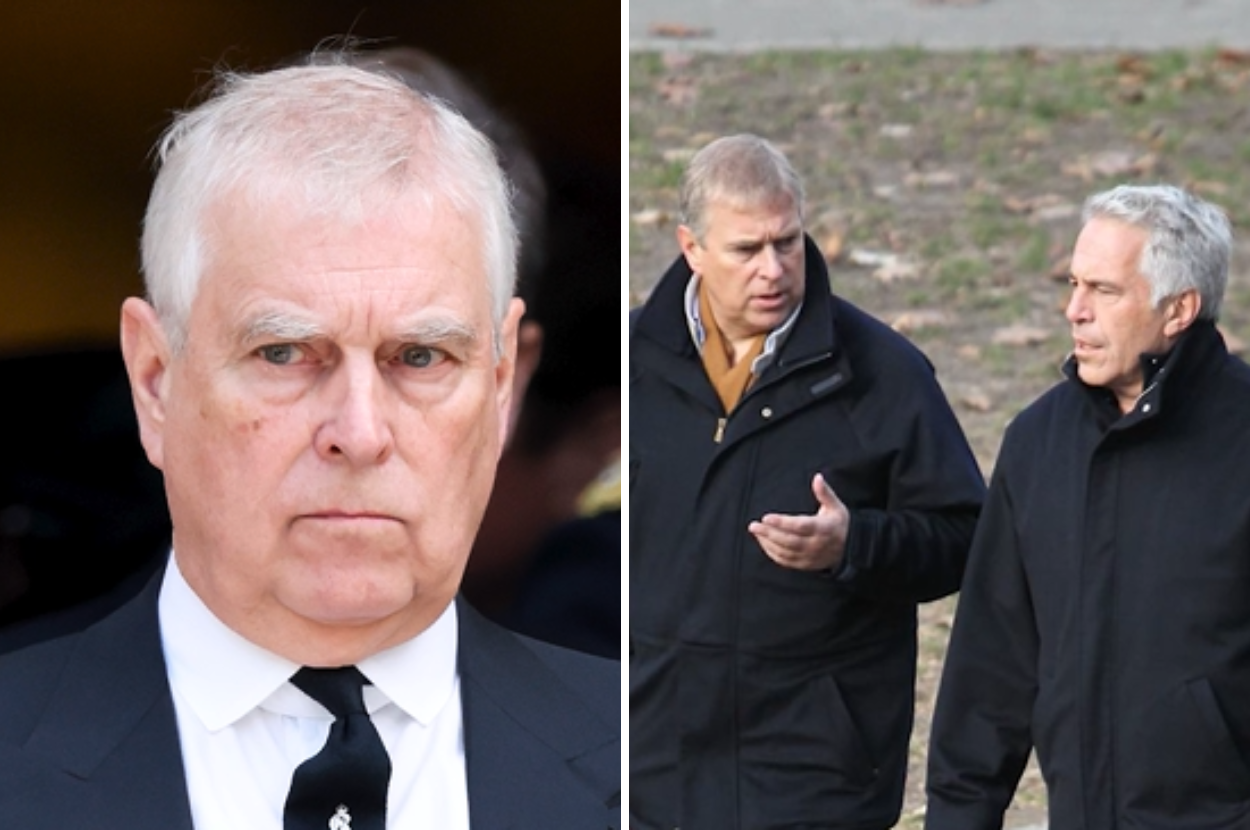
UK police have arrested disgraced former prince Andrew Mountbatten-Windsor over suspicion of misconduct in public office for allegedly emailing late American sex offender Jeffrey Epstein government secrets.
The allegations are from Andrew’s time as the UK's Special Representative for International Trade and Investment, a role he held from 2001 to 2011.
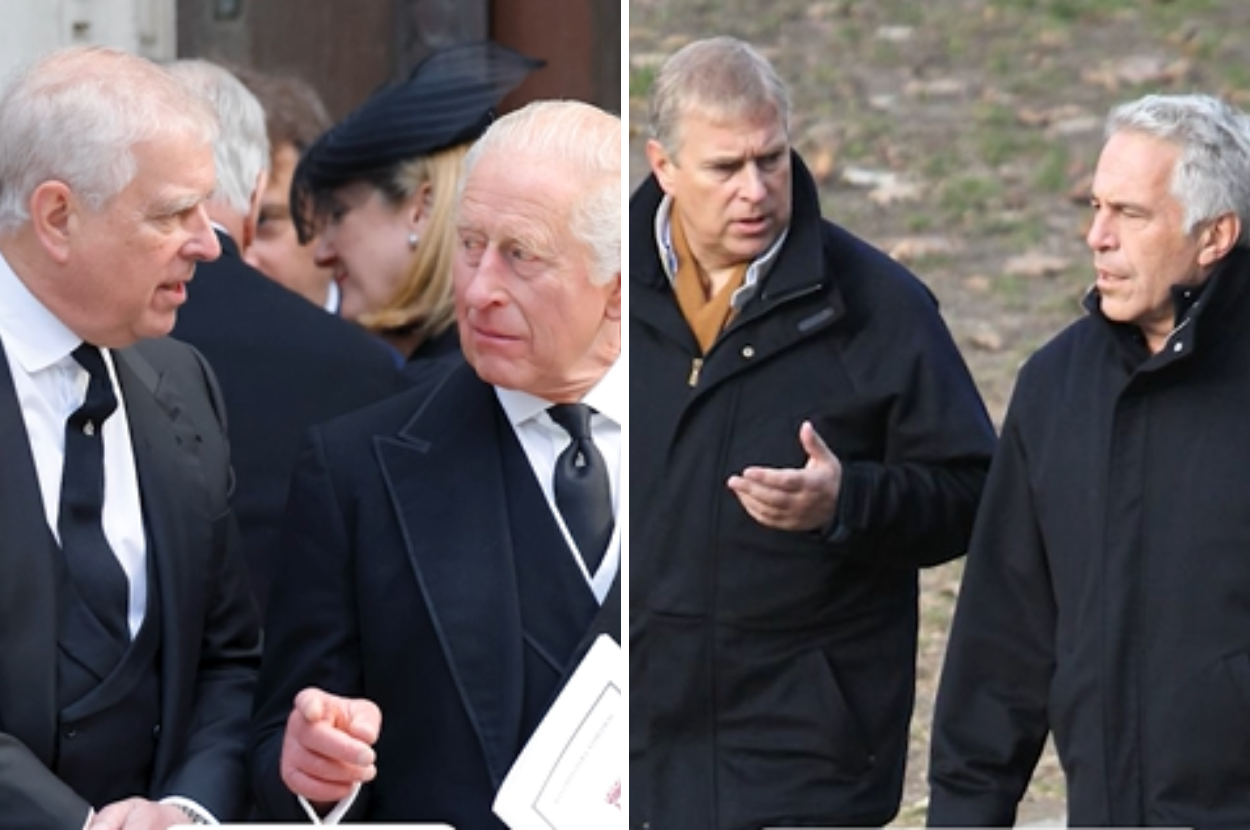
Emails released late January in the latest batch of US Department of Justice files on the Epstein sex trafficking case appeared to show Andrew forwarding confidential government trade documents to Epstein in 2010 and 2011 and seeking Epstein's views on investment opportunities connected to his official work.
Misconduct in public office is a common law offence that applies when a public official wilfully abuses the responsibilities of their role in a way that amounts to a serious breach of public trust.
Andrew could be facing life imprisonment if found guilty.
Investigators are also separately investigating claims a woman was trafficked to the UK by Epstein specifically for a sexual encounter with Andrew, but no charges have been filed on that yet.
In Oct. 2025, King Charles stripped Andrew, his brother, of his prince title due to Andrew’s ties to Epstein.
On Thursday, Feb. 19, Thames Valley police arrested Andrew and held him for 11 hours on his 66th birthday, before releasing him under investigation, meaning he has not been charged and can be re-arrested at any time.
Police had arrested him at Wood Farm, his temporary residence on the Sandringham Estate in Norfolk.
Officers also searched his former home, Royal Lodge in Windsor, roughly 60 miles away from his current home.
King Charles said in a statement that he had "learned with the deepest concern" the news of the arrest, adding, “What now follows is the full, fair and proper process by which this issue is investigated in the appropriate manner and by the appropriate authorities.”
 Kassy Cho
 Sofia Hou
 Ikran Dahir