The Olympics Has Disqualified The Ukrainian Skeleton Racer From Competing Over His Helmet Tribute
Heraskevych now plans to escalate his case to the Court of Arbitration for Sport, adding, "I believe we need to continue to fight for our rights.”

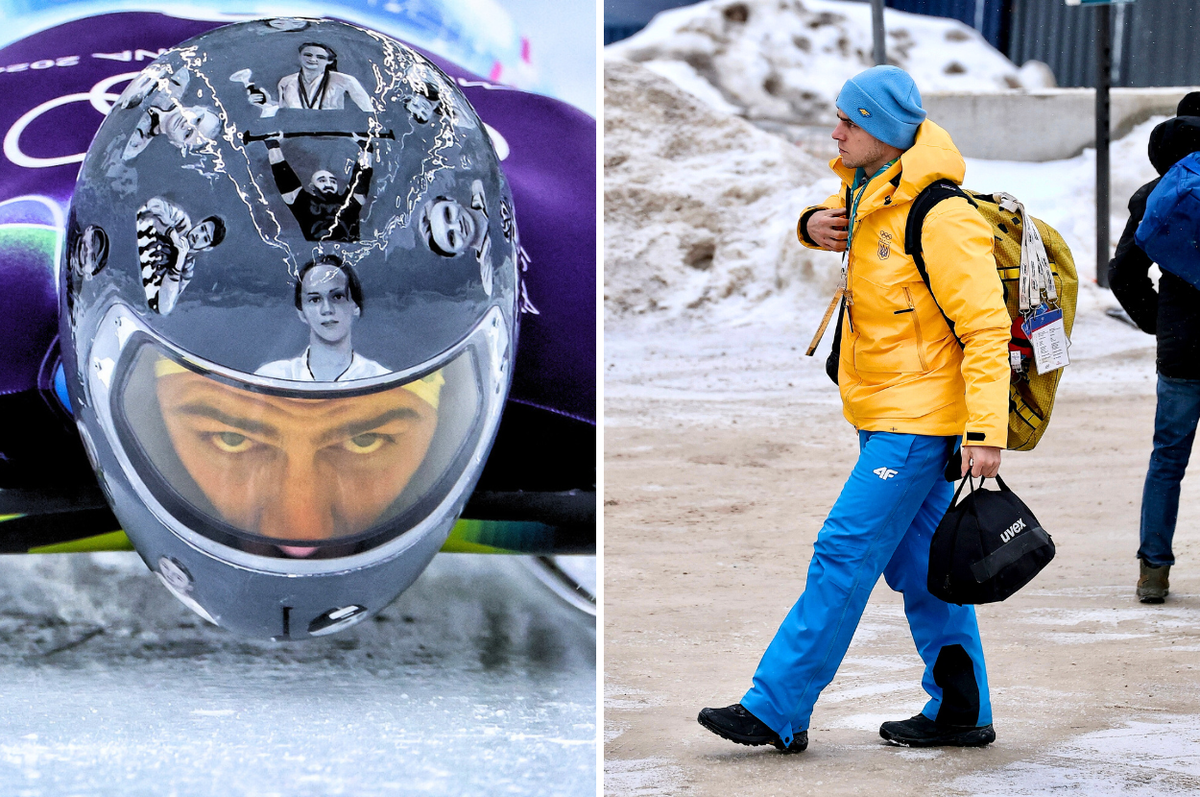
Ukrainian skeleton racer Vladyslav Heraskevych has been disqualified from the Olympics for wearing a helmet with the photos of Ukrainian athletes killed by Russia’s war in Ukraine.
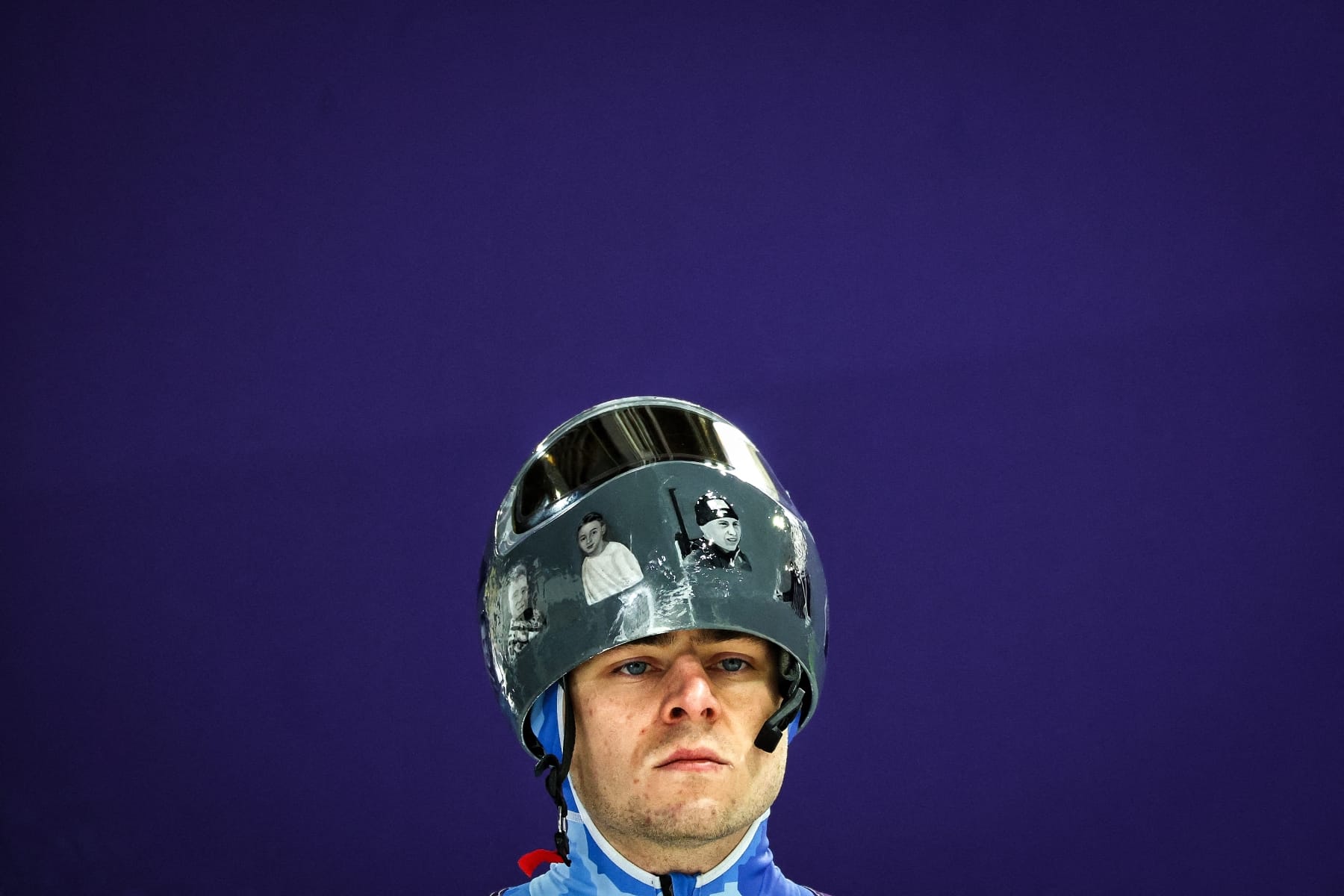
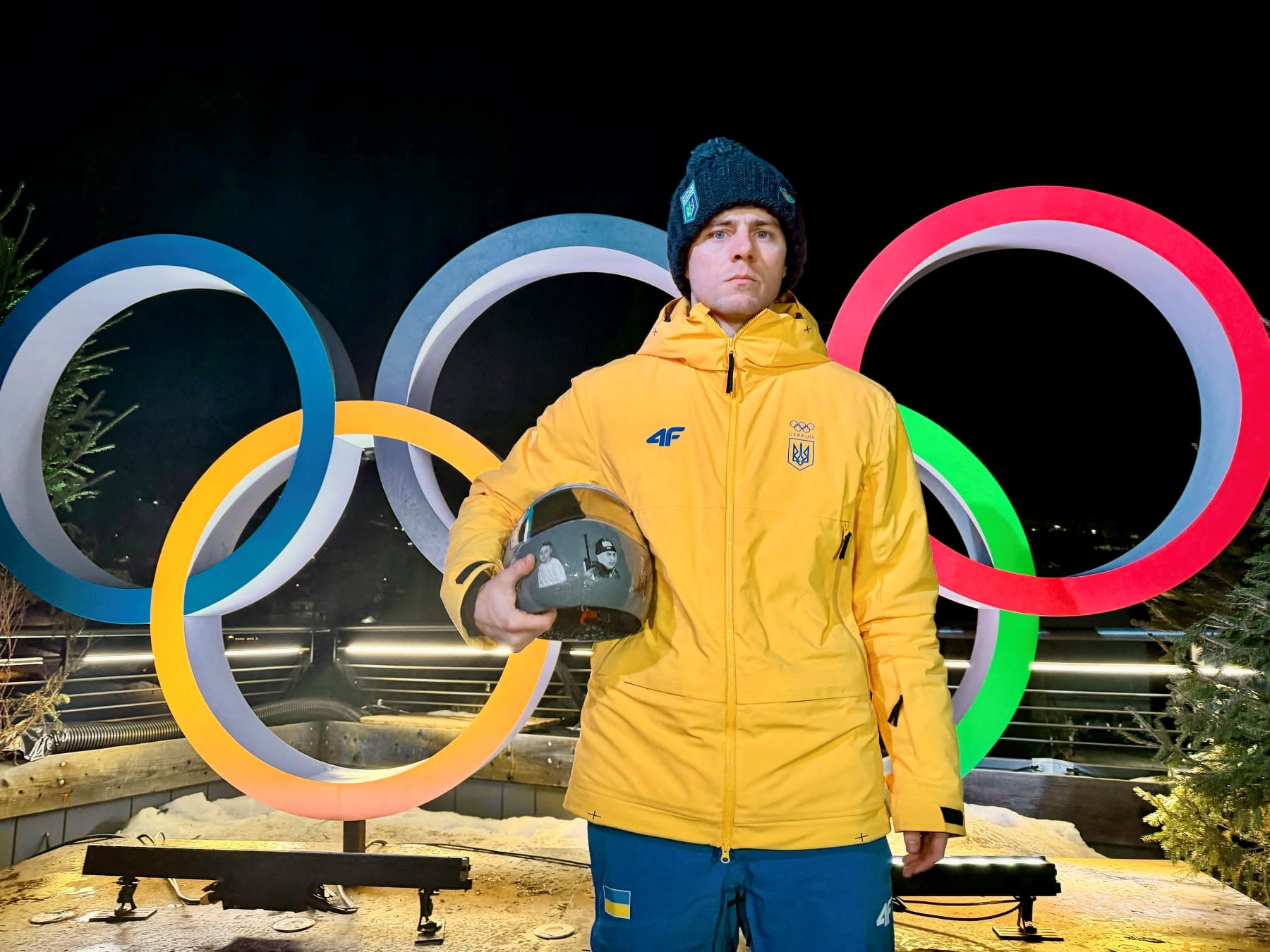
During his training session in Cortina on Monday, Feb. 9, Heraskevych wore a helmet with images of killed Ukrainian athletes, some of whom are his friends, including teenage weightlifter Alina Perehudova, boxer Pavlo Ischenko, ice hockey player Oleksiy Loginov, actor and athlete Ivan Kononenko, diving athlete and coach Mykyta Kozubenko, shooter Oleksiy Habarov and dancer Daria Kurdel.
He was later informed by the International Olympic Committee (IOC) that he was banned from using his helmet at official training sessions and competitions because of Olympic rules, which state that “No kind of demonstration or political, religious or racial propaganda is permitted in any Olympic sites.”
The 26-year-old said he was disappointed by the IOC’s decision but that he intended to compete with his helmet despite the ban.
On the morning of Thursday, Feb. 12, the IOC president Kirsty Coventry had a meeting with Heraskevych at the sliding venue over his decision.
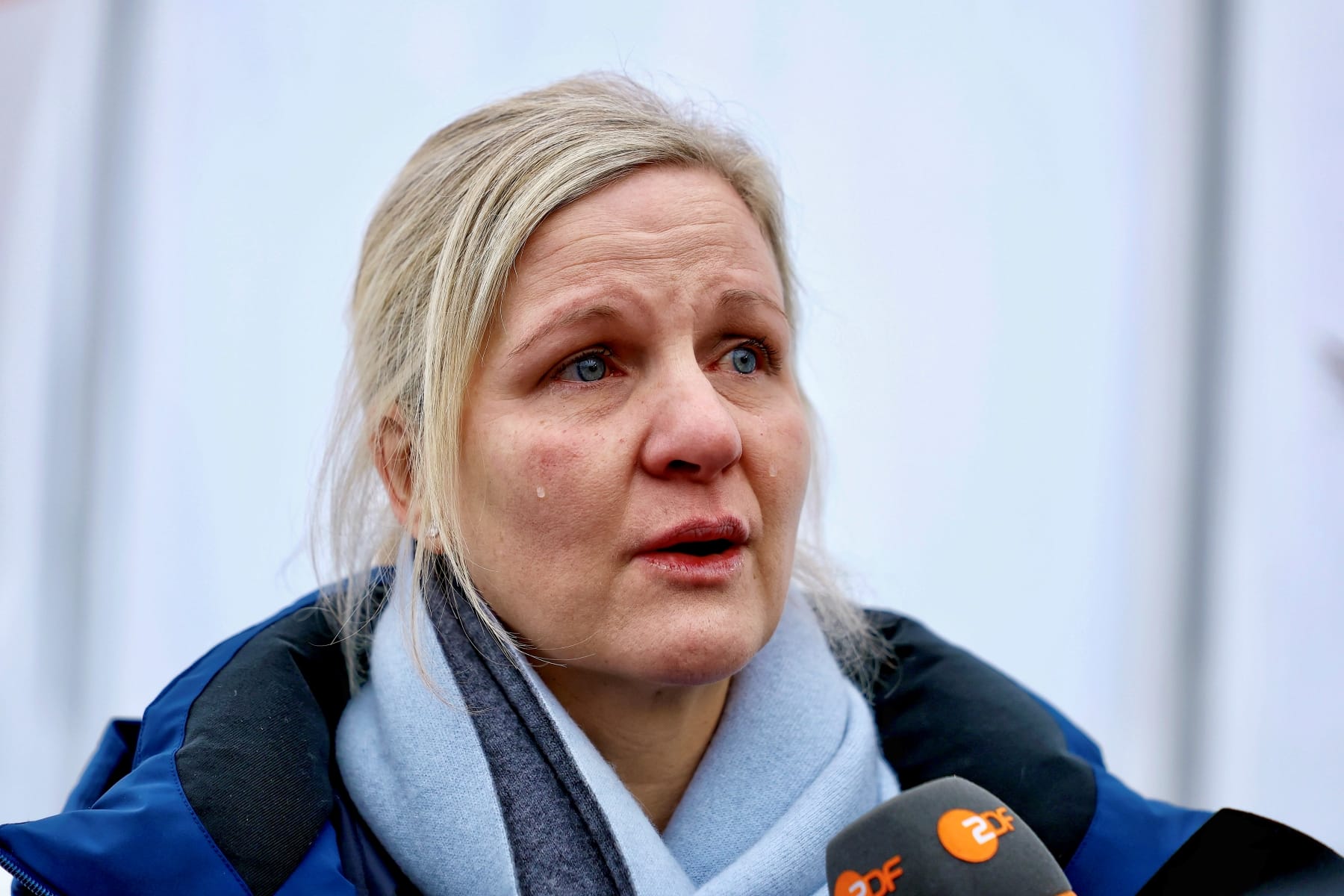
The IOC said in a statement it made multiple efforts to accommodate his wish to remember his friends by allowing him to wear his helmet in his practice runs and offering him the rare opportunity to wear a black armband in competition.
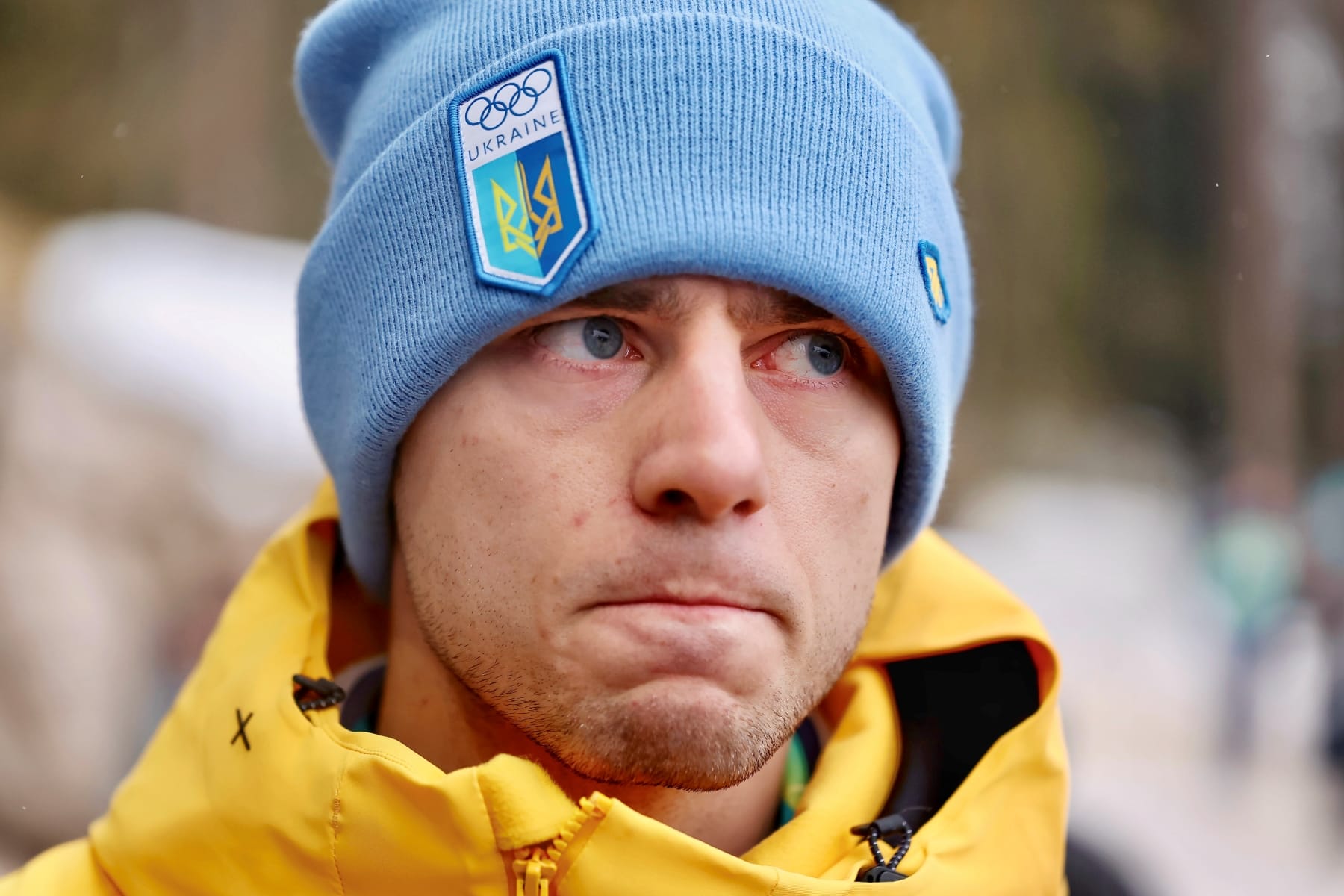
However, Heraskevych said it would be a “betrayal” to back down and Coventry was crying as she spoke to reporters after she failed to change his mind.
"It's a message of memory and no one is disagreeing with that," she said.
"The IOC was very keen for Mr Heraskevych to compete. This is why the IOC sat down with him to look for the most respectful way to address his desire to remember his fellow athletes who have lost their lives following Russia's invasion of Ukraine. The essence of this case is not about the message, it is about where he wanted to express it," the statement added.
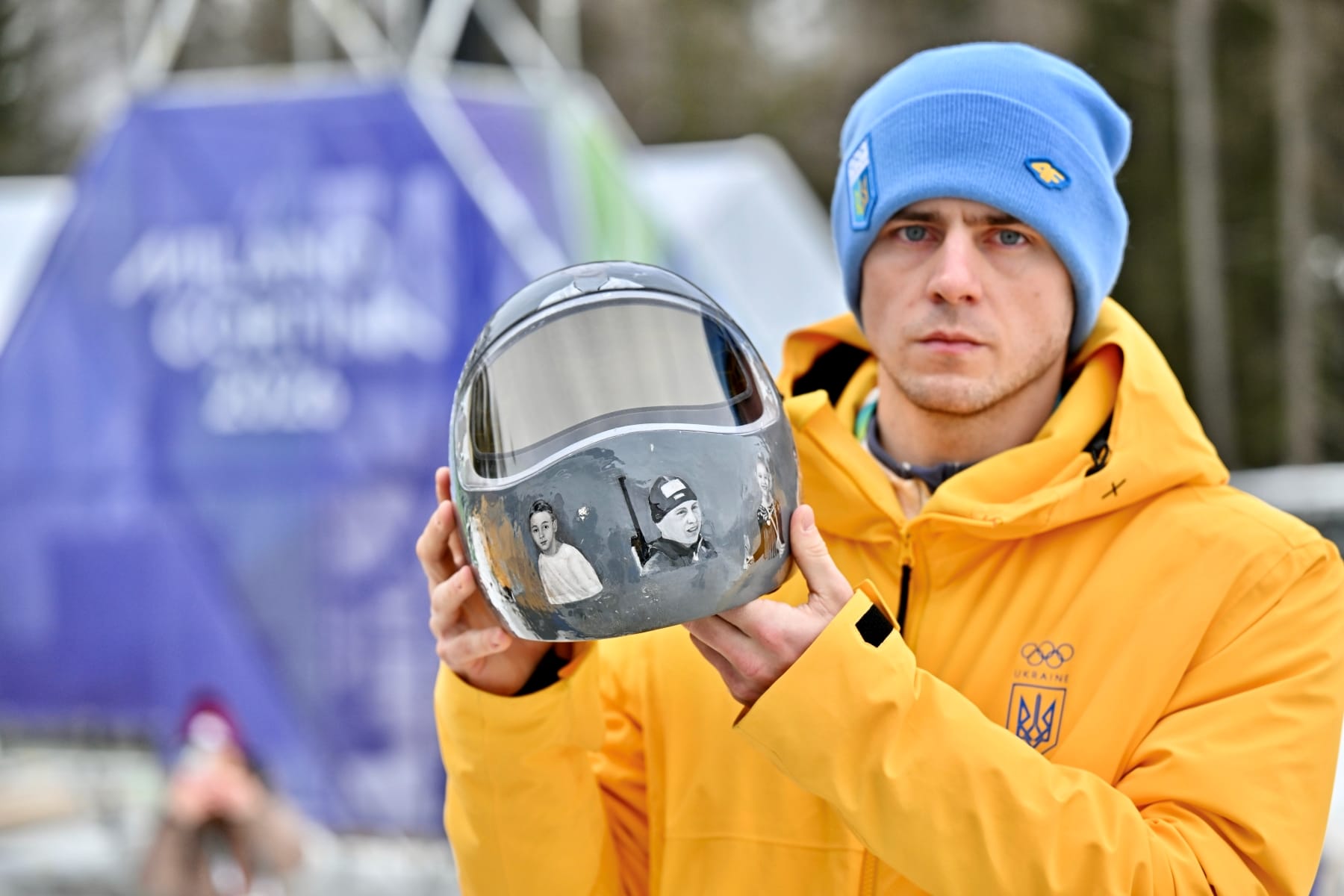
Heraskevych said he believes the IOC understands he is not violating any rules.
"I have repeated this from Day 1; I don't think it violates any rules. In accordance with Rule 50 we don't have any political propaganda, we don't have any racial propaganda, and we don't have any harassment towards anyone on this helmet. So I believe this helmet didn't (break) any rules," he told German public broadcaster ZDF.
Earlier, during the opening ceremony, Israeli skeleton athlete Jared Firestone had worn a kippah emblazoned with the names of 11 Israeli athletes and coaches murdered in the 1972 Munich Olympics attack.
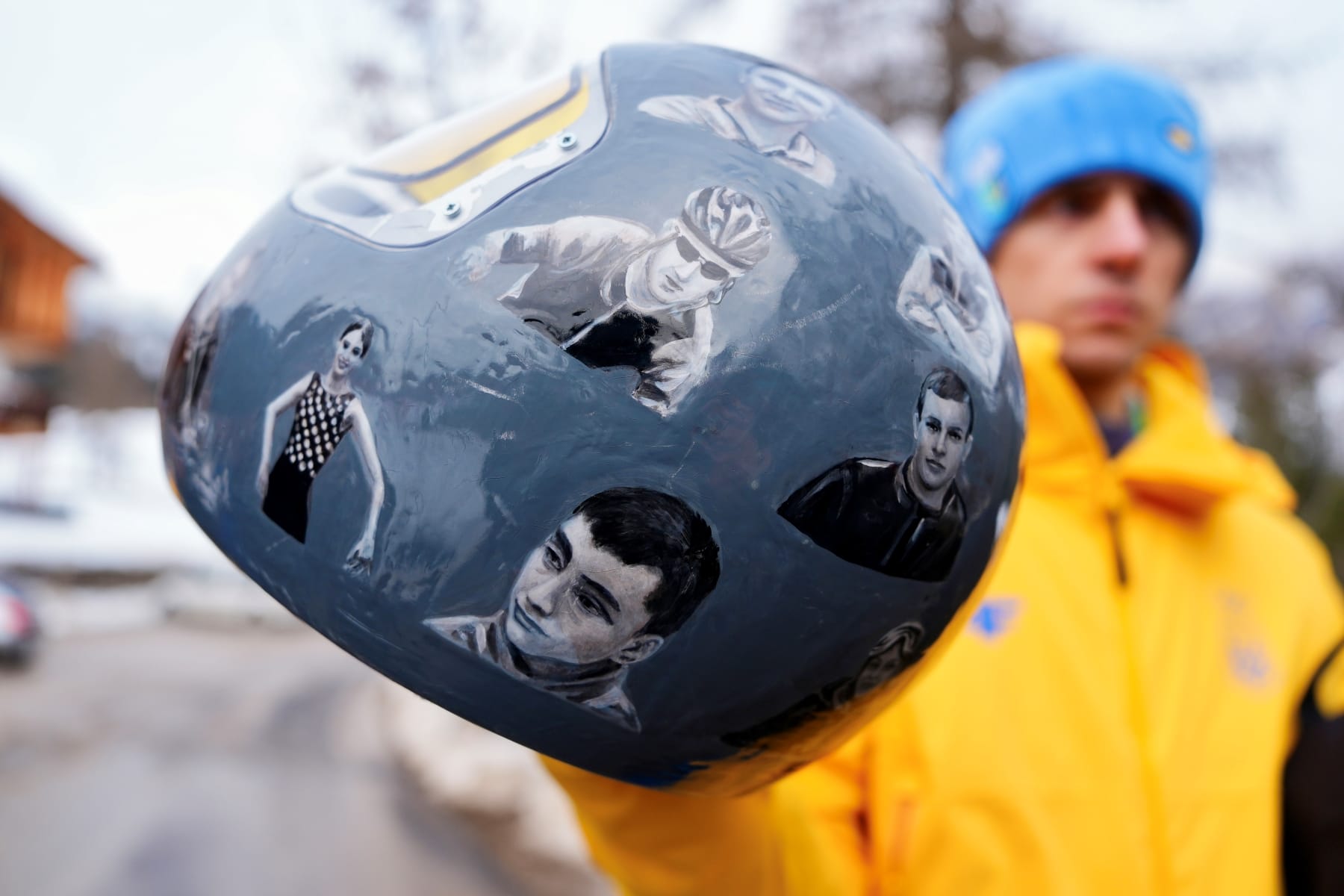
Heraskevych now plans to escalate his case to the Court of Arbitration for Sport, adding, "I believe we need to continue to fight for our rights.”
This is not the first time Heraskevych has used his platform to speak up for Ukraine.
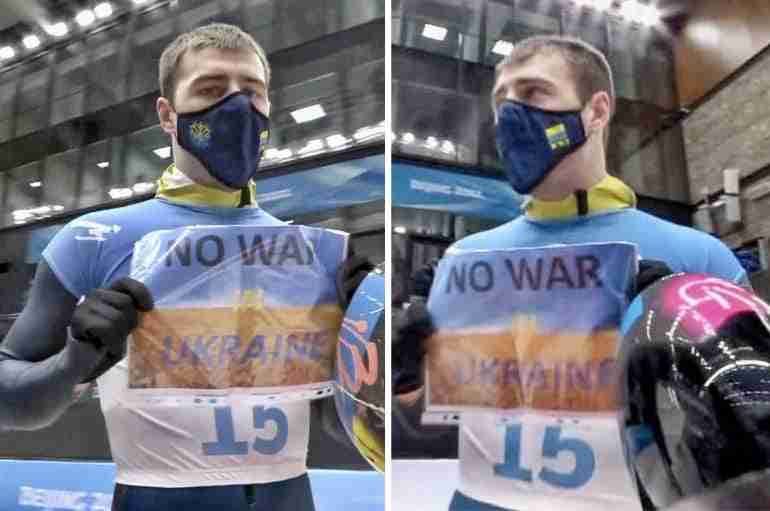
At the Beijing 2022 Winter Olympics, he held up a sign reading “No war in Ukraine”, just days before Russia launched its full-scale invasion of Ukraine.
 Sofia Hou
 Steph Lu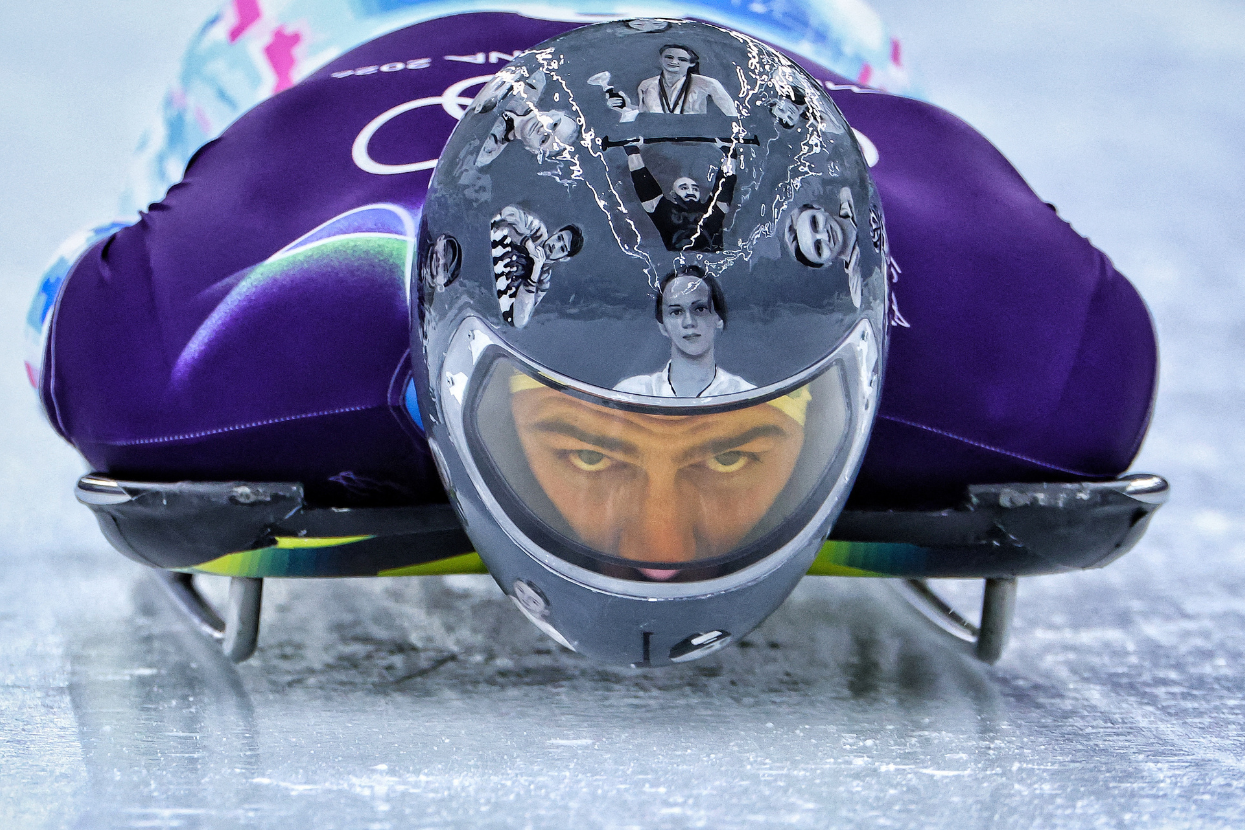
 Selina Wu