The British Museum Has Removed Some References To "Palestine" From Its Ancient Middle East Exhibit
Palestinian ambassador to the UK Husam Zomlot said "cultural institutions must not become arenas for political campaigns. Palestine exists. It has always existed. And it always will”.

 Almost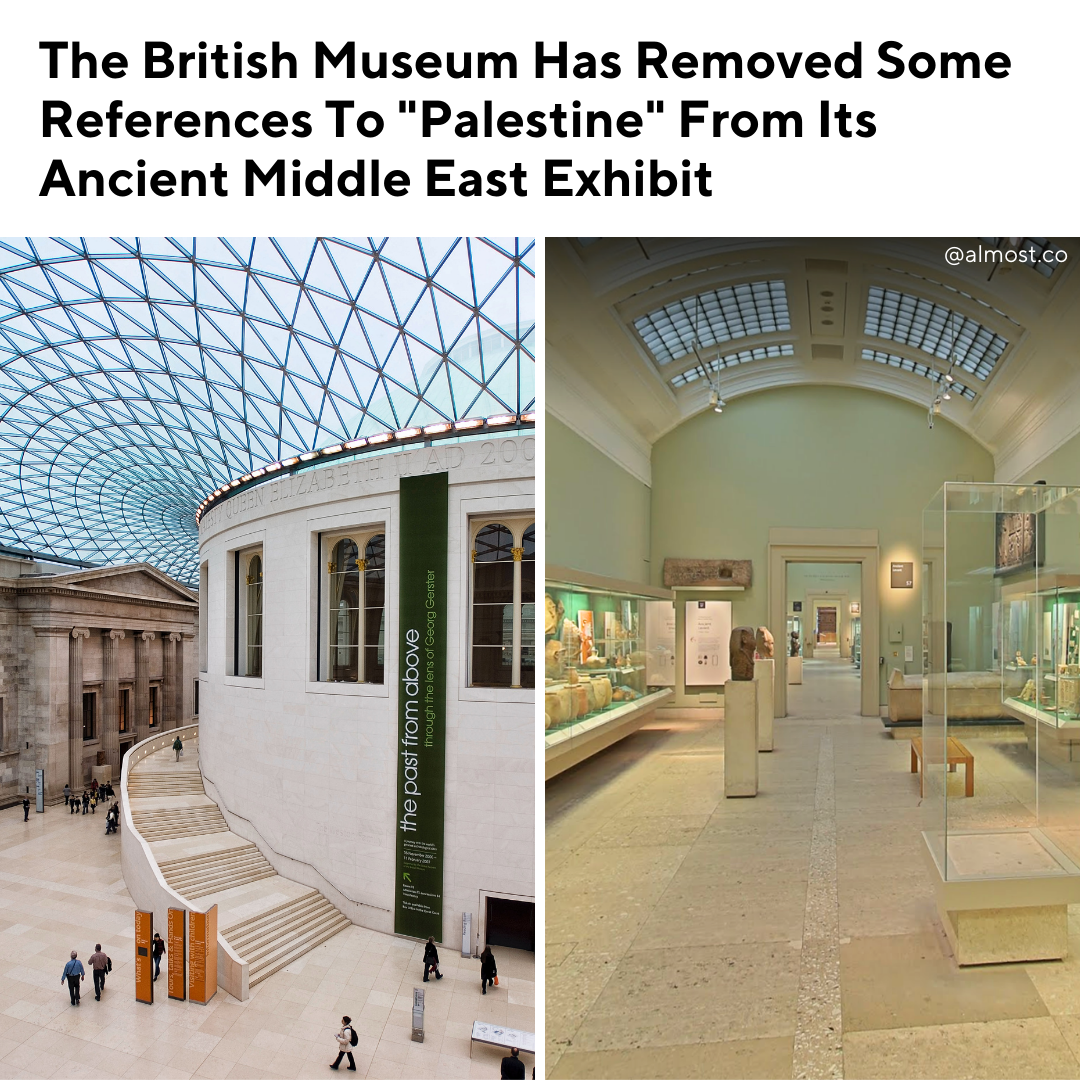
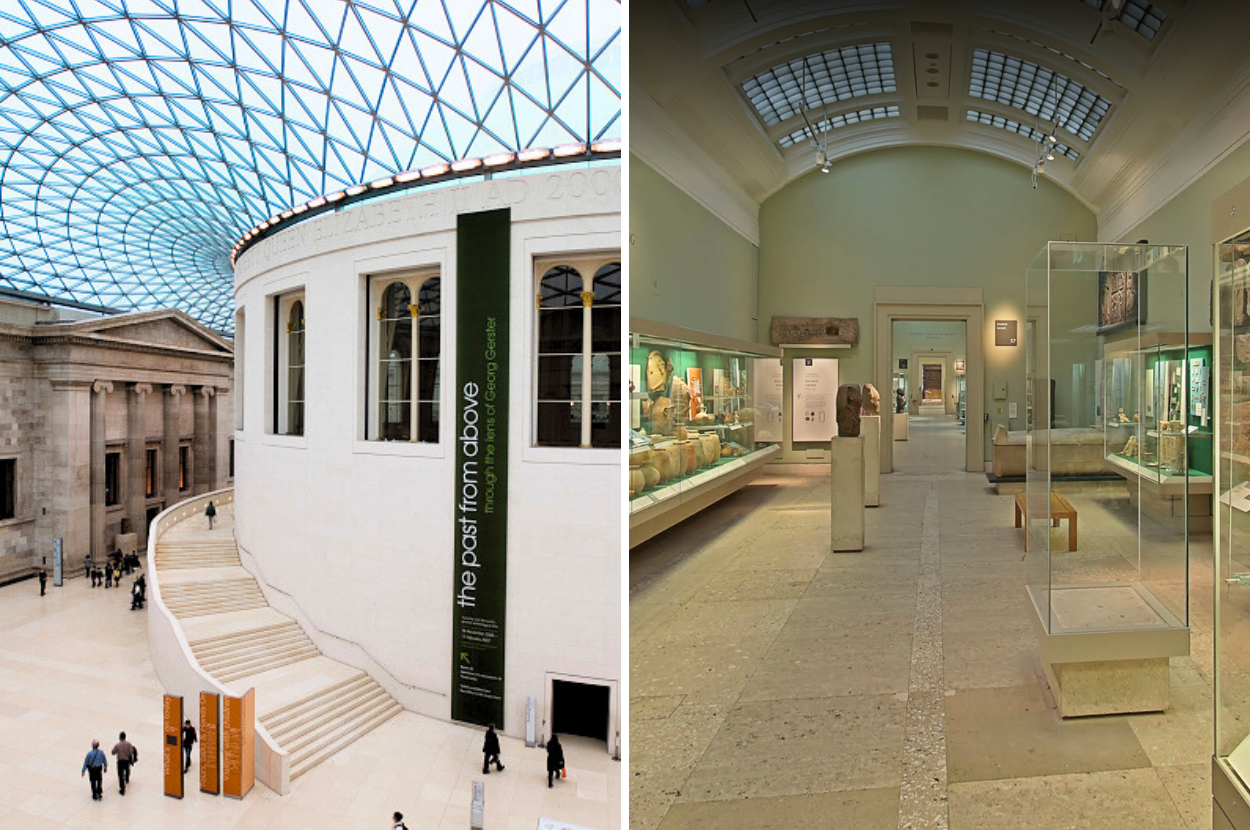
The British Museum in London has removed references to "Palestine" from some of its ancient Middle East exhibits, saying the term was used inaccurately and is no longer “neutral”.
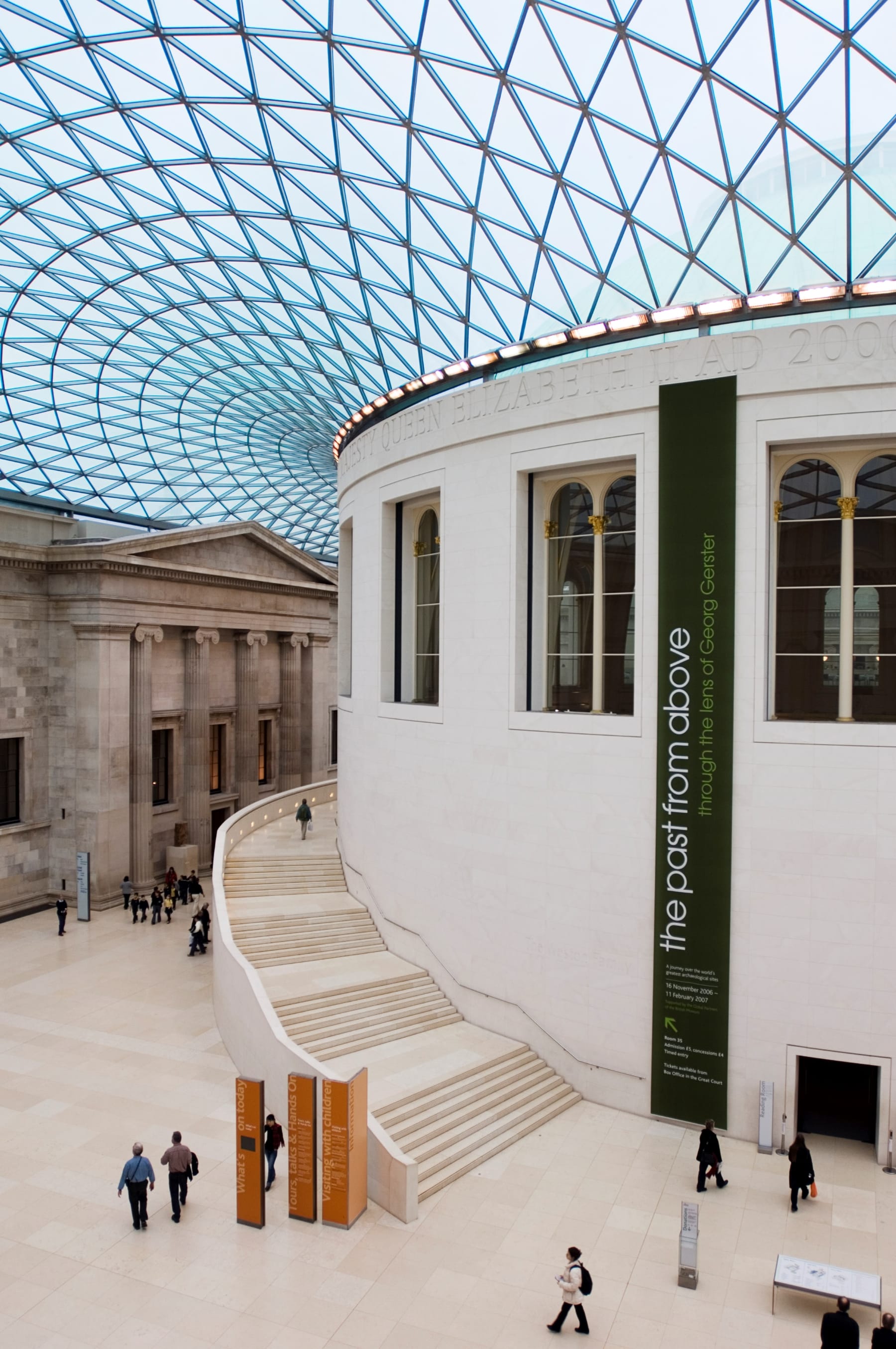
The museum’s move followed complaints from UK Lawyers for Israel (UKLFI), a pro-Israel advocacy group, objecting to labels in displays covering 1700 – 1500 BC that referred to the eastern Mediterranean coast as Palestine and described the Hyksos people as being of Palestinian descent.
The group had argued the “Palestine” labels “obscure the history of Israel and the Jewish people,” according to the Guardian.
“Applying a single name – Palestine – retrospectively to the entire region, across thousands of years, erases historical changes and creates a false impression of continuity,” the group wrote in a letter to the museum’s director.
The British Museum has now changed those labels to read "Canaan" and "Canaanite descent."
A museum spokesperson denied that the move came in response to the UKLFI complaint, saying the term “Canaan” is appropriate for the southern Levant in the later second millennium BC.
The British Museum said that while the term Palestine was well established in scholarship as a geographical designation for the southern Levant since the late 19th century, it recognized that the term no longer holds a neutral designation and may be understood in reference to political territory.
This decision has sparked backlash from scholars and activists who have condemned the move as part of a systematic attack on Palestinian cultural identity and history.
Palestinian ambassador to the UK Husam Zomlot said "cultural institutions must not become arenas for political campaigns. Palestine exists. It has always existed. And it always will”.
After the backlash, museum director Nicholas Cullinan contacted Zomlot to reassure him that Palestine had not been "canceled" from the museum, saying the changes were limited to two labels and that the museum continues to use Palestine across its other galleries, according to The National.
Cullinan also said he had been "disgusted" by what he described as false claims about the extent of the changes.
UKLFI has appeared in over a hundred cases as either a direct actor of repression or an enabling actor whose actions prompt institutions to repress solidarity with Palestine.
In 2023, the group complained to a hospital in London over its art display of plates decorated by children at two United Nations schools in Gaza.
The UKLFI claimed its complaint was due to Jewish patients feeling “vulnerable, harassed and victimized”.
A freedom of information request later revealed that UKLFI's was the only complaint filed.
The Chelsea and Westminster Hospital apologized to both sides for the ordeal.
You Might Also Be Interested In
 Cherry Mohamed
 Cherry Mohamed