
France Has Banned Companies From Making Unsolicited Marketing Calls Without Consent
Under the new law, consent must be given in advance and can be withdrawn at any time.
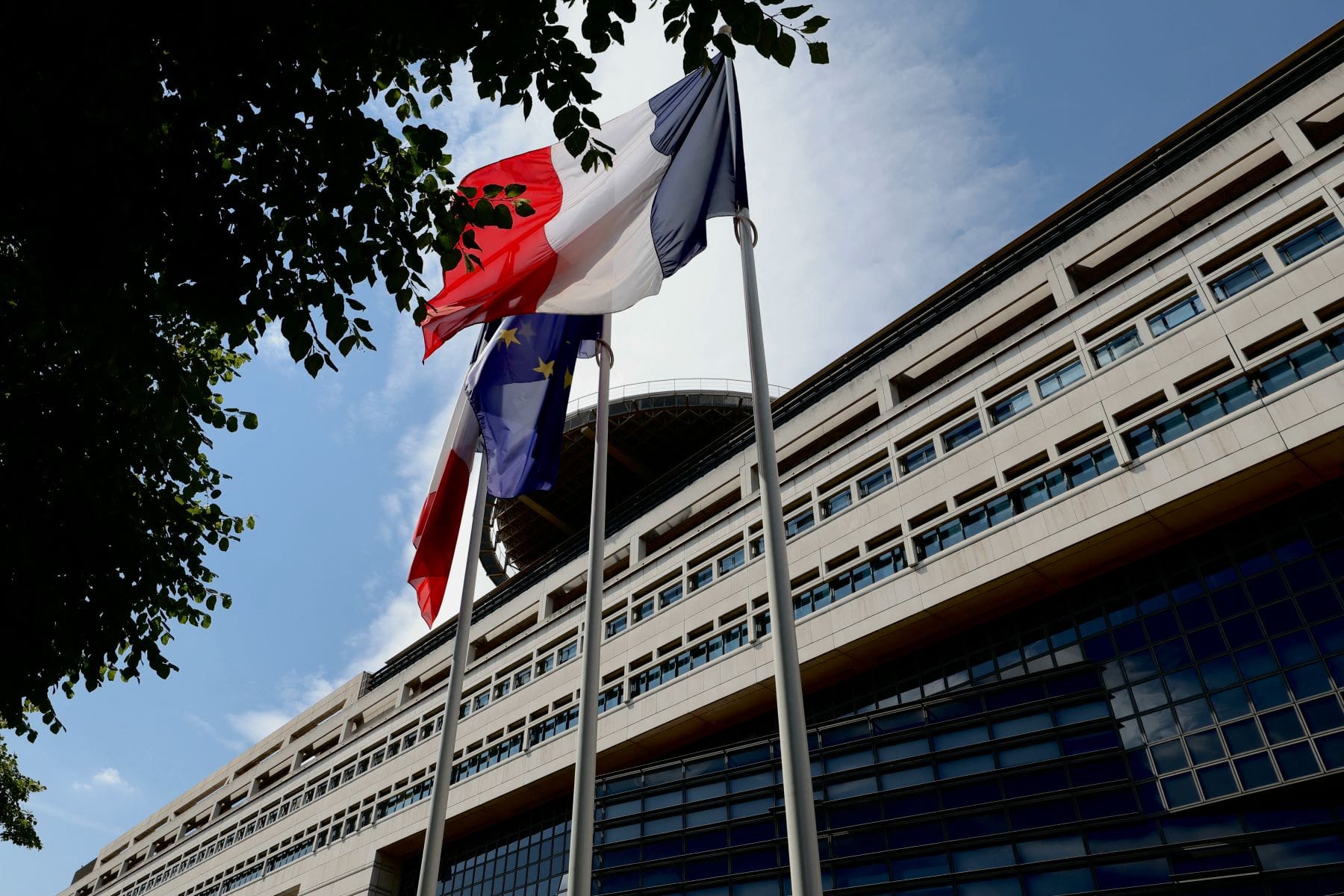
France has banned companies from making unsolicited marketing calls unless people have explicitly agreed to receive them.

Previously, France worked on an opt-out system, in which people who did not want marketing calls had to sign up for a government-run do-not-call list, called Bloctel.
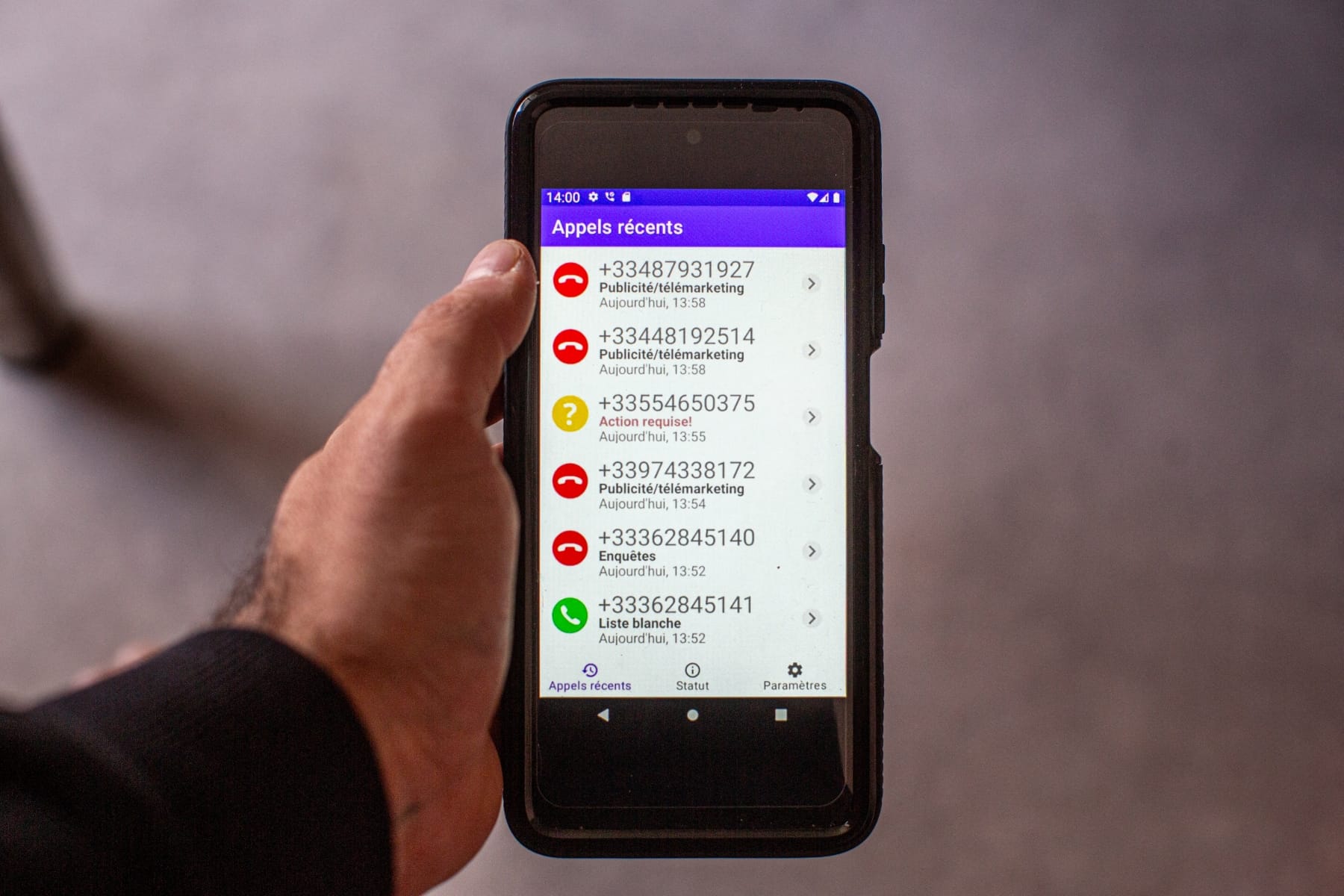
However, consumer groups said many call centers ignored the list anyway, and authorities estimate about three in four people in France get at least one unsolicited sales call every week.

The new law officially came into effect on Aug. 11, flipping that system and requiring companies to get permission before calling instead.

Under the new law, consent must be given in advance and can be withdrawn at any time, according to France’s Ministry of Economy.
Companies can still call existing customers about products or services connected to a current contract, while calls relating to newspaper and magazine subscriptions are also exempt.

Even when someone has agreed to receive marketing calls, companies are generally restricted to calling between 10 am and 1 pm and 2 pm and 8 pm on weekdays.

Businesses that break the rules can face fines of up to €375,000 (about US$435,000) per call, according to France’s consumer protection authority.
France is not the first country to require consumers to agree before receiving most marketing calls.

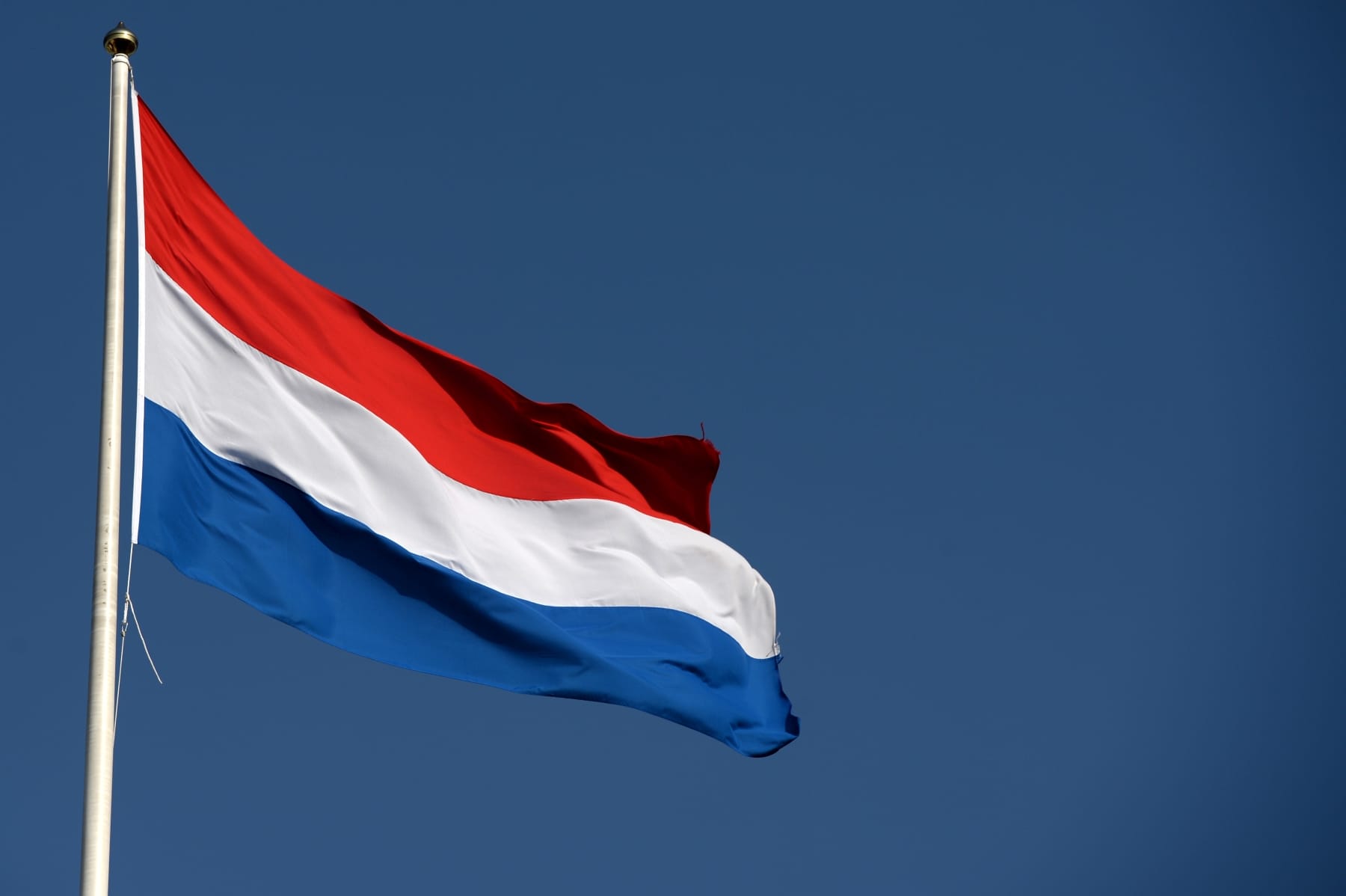
Germany and Denmark already have strict consent rules, while the Netherlands introduced tougher restrictions in July 2026.

But the change could also have a major impact outside France.
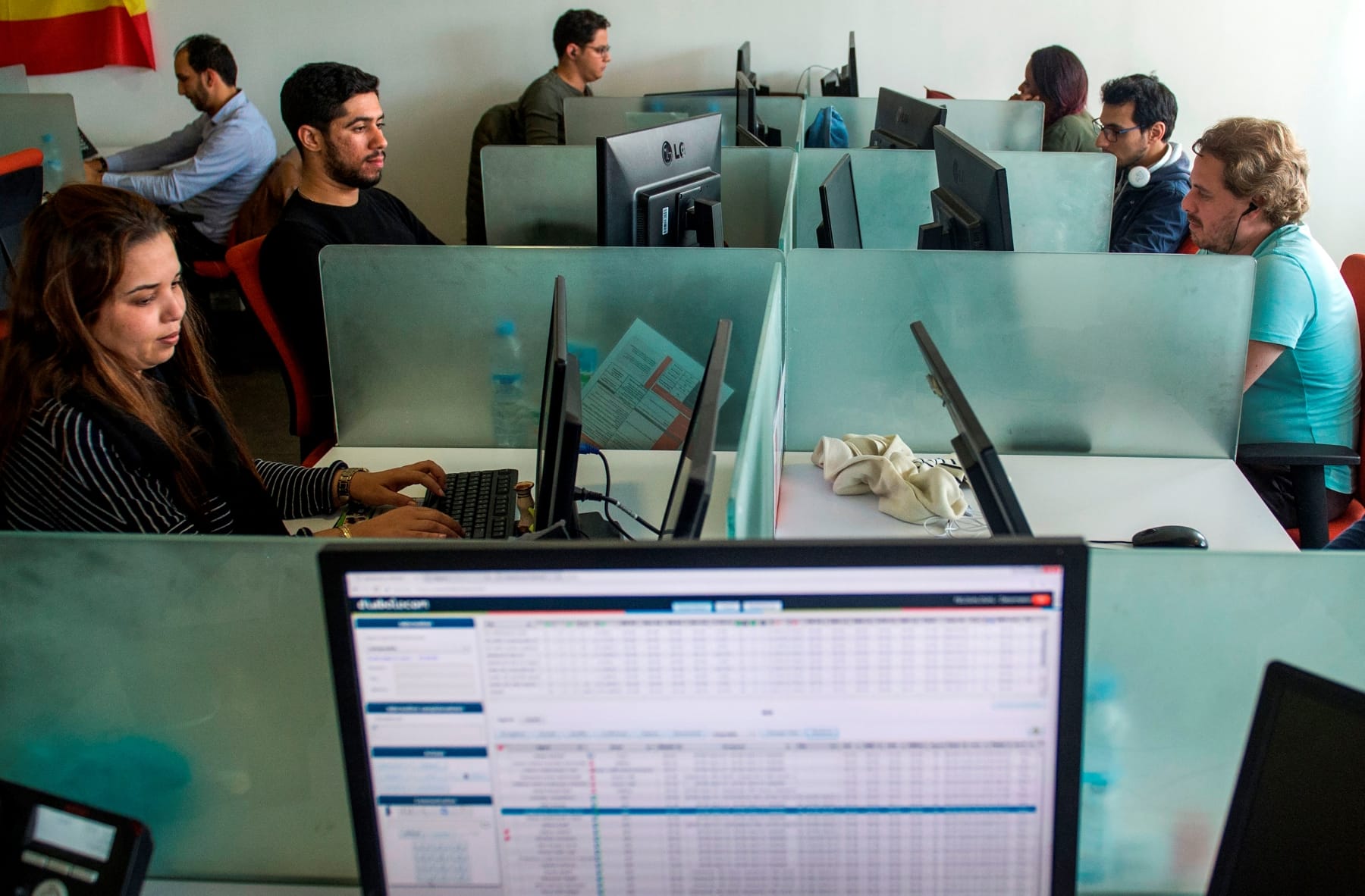
Up to 50,000 call center jobs in Morocco could be at risk because French companies have long outsourced telemarketing work to the country, Morocco’s employment minister Younes Sekkouri said.

According to AP, Morocco’s outsourcing industry generates more than $1 billion a year, with France historically accounting for the majority of its business.
The new system means the responsibility now falls on companies to prove someone agreed to be contacted, rather than on consumers to ask them to stop calling.
More On France
 Cherry Mohamed

 Cherry Mohamed