One Year After The Gaza “Ceasefire”: What Do We Owe?
An editor’s note on memory, reckoning and how we move forward.

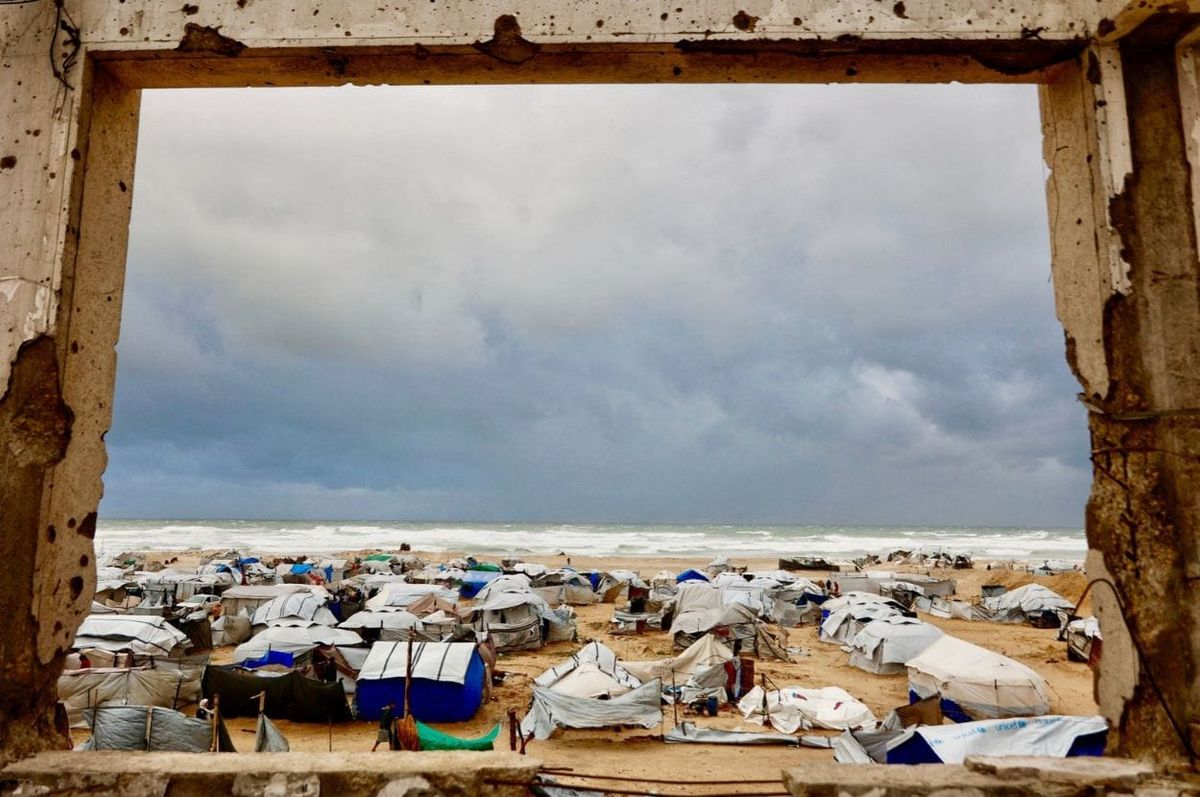
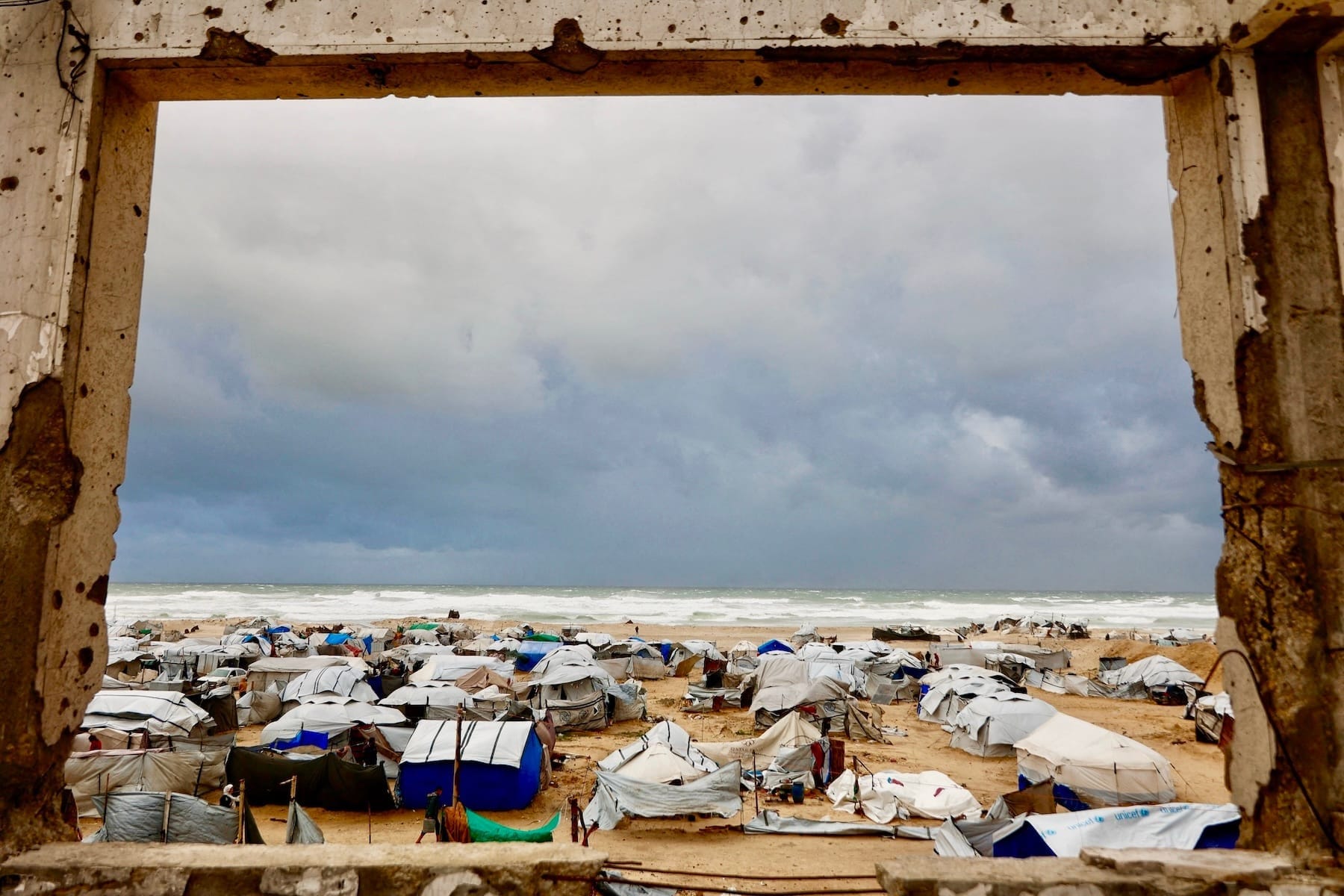
I felt worse when the ceasefire in Gaza came.
I thought I’d feel relief. Instead, I felt something collapse, like the world had been handed a way out and taken it.
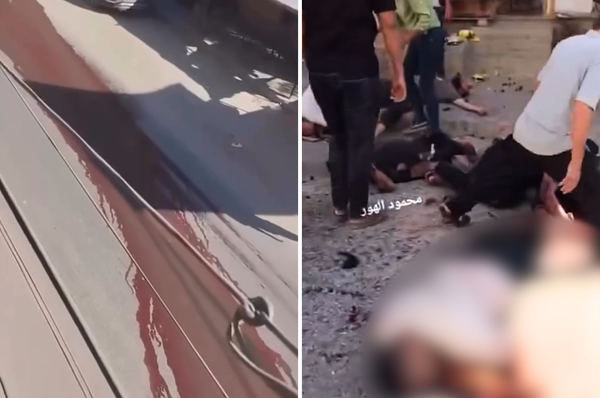
We had just watched tens of thousands of Palestinians killed, journalists murdered and slandered as terrorists, evidence in high resolution, from every angle, livestreamed in real time. And the world watched. And largely, the world didn’t act.
Then the ceasefire came, and people exhaled, and the feeds refreshed, and we moved on.
And that felt like a second violence.
During the genocide, something was building: global momentum, real pressure, people waking up. But attention was tied to the escalation, and the momentum depended on the horror staying visible to matter.
Then it ended — anticlimactically, incompletely — and almost immediately, horror became content, became discourse, became aesthetic. The same platforms that showed us the killing are now showing us the pivot — the AI slop, the brand deals, the performance, and then the performance of the performance. Now we’re watching the forgetting happen in real time.
For two years, Palestine defined what Almost stood for: why we exist, what we refuse to flatten. And now I’m sitting with a question I can’t shake, one I think the entire media industry should be sitting with and isn’t: What do we owe?
The media owes a reckoning. Over 200 Palestinian journalists were killed. Our colleagues in mainstream newsrooms largely didn’t fight for them, didn’t name them, didn’t treat their deaths as the industry crisis they were. Beyond that — the biased coverage, the platforming of dehumanization, the both-sidesing of a genocide — the media didn’t just fail to stop this; it enabled it.
The public owes an accounting. Complacency is a choice. Scrolling past is a choice. Returning to normal is a choice. Choices have consequences that outlast the moment.
And all of us — media, institutions, movements, individuals — owe the Palestinians something tha hå t can’t be repaid by moving on. Moving on is not healing. Moving on is forgetting. And I don’t think we’re allowed to forget.
Children will study this. They will learn that we watched it happen in real time, that we had the evidence, that we said never again and then let it happen again.
What we do now, in the forgetting, is part of the historical record too. It’s been a year since the “ceasefire” and I can feel it in myself: the pace slowing, the ache easing, Gaza taking up less of my days. That frightens me, because the forgetting isn’t only happening out there. It’s in me too.
But in the lead-up to this day I haven’t been able to think about anything else. I now understand that not feeling it constantly doesn’t mean I’ve forgotten, or that it hasn’t changed me. I still feel an ache when I think about Gaza, a pang every time I see a photo of Anas al-Sharif and a closeness in my heart every time I sit down to edit a video about Gaza. I always will. Gaza broke something open in me and rebuilt me around it, and it ripples through everything I make.
For two years, we could only react. We covered one atrocity after another, with barely enough time to respond. But now, carrying everything we witnessed, we can finally make the work the Palestinians deserved then: deeper, truer, more faithful.
The world already failed Palestinians once. This is how we pay it back.
Until Palestine is free.