Hamas Has Dissolved Its Government In Gaza And Will Stop Governing After Nearly 20 Years
Hamas’ move is seen as a way to push talks, which remain deadlocked after nine months, into the next phase of the “ceasefire” agreement.

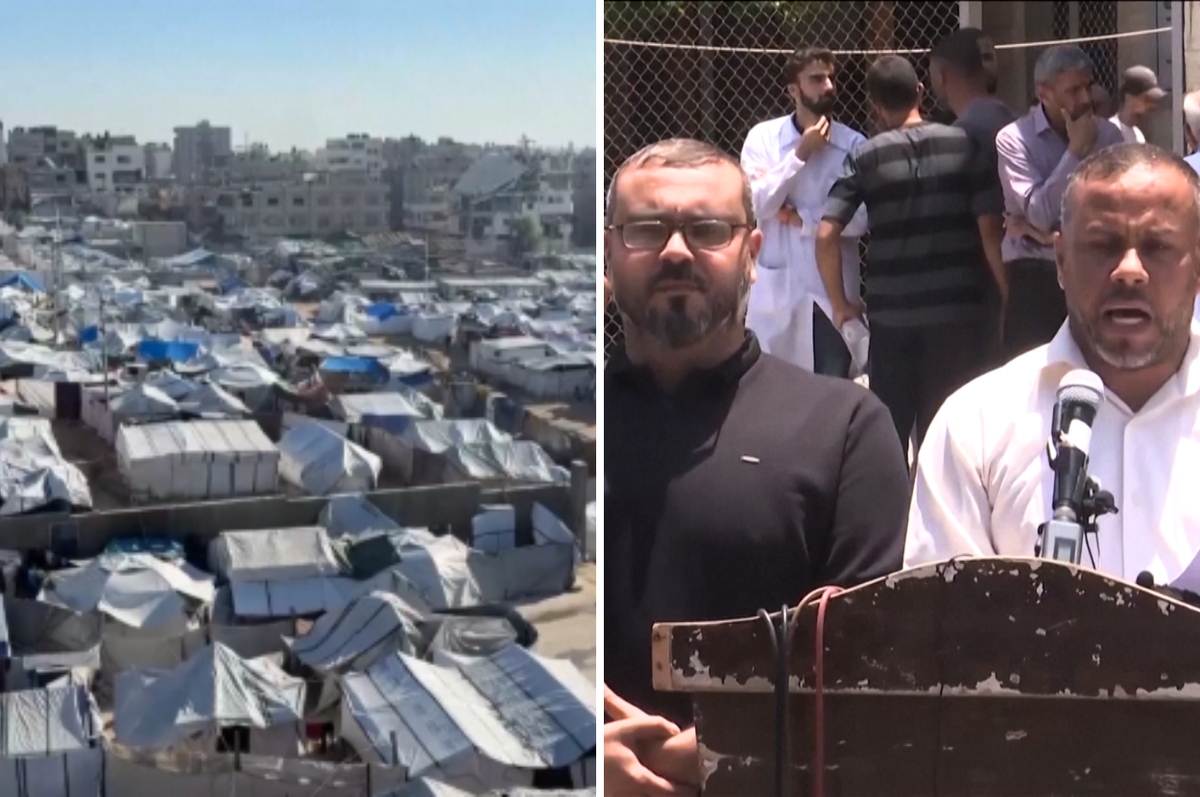
After nearly 20 years, Hamas has dissolved its committee that governs Gaza, clearing the way for a new Palestinian technocratic body, the National Committee for the Administration of Gaza (NCAG), to take over the administration of the territory.
Hamas has governed Gaza since 2007, when its fighters took control from the rival Fatah party after winning Palestinian legislative elections the year before.
Under the “ceasefire” Hamas and Israel agreed on, which began on Oct. 10, 2025,, Hamas agreed to hand over administration of Gaza to a Palestinian body of independent technocrats.
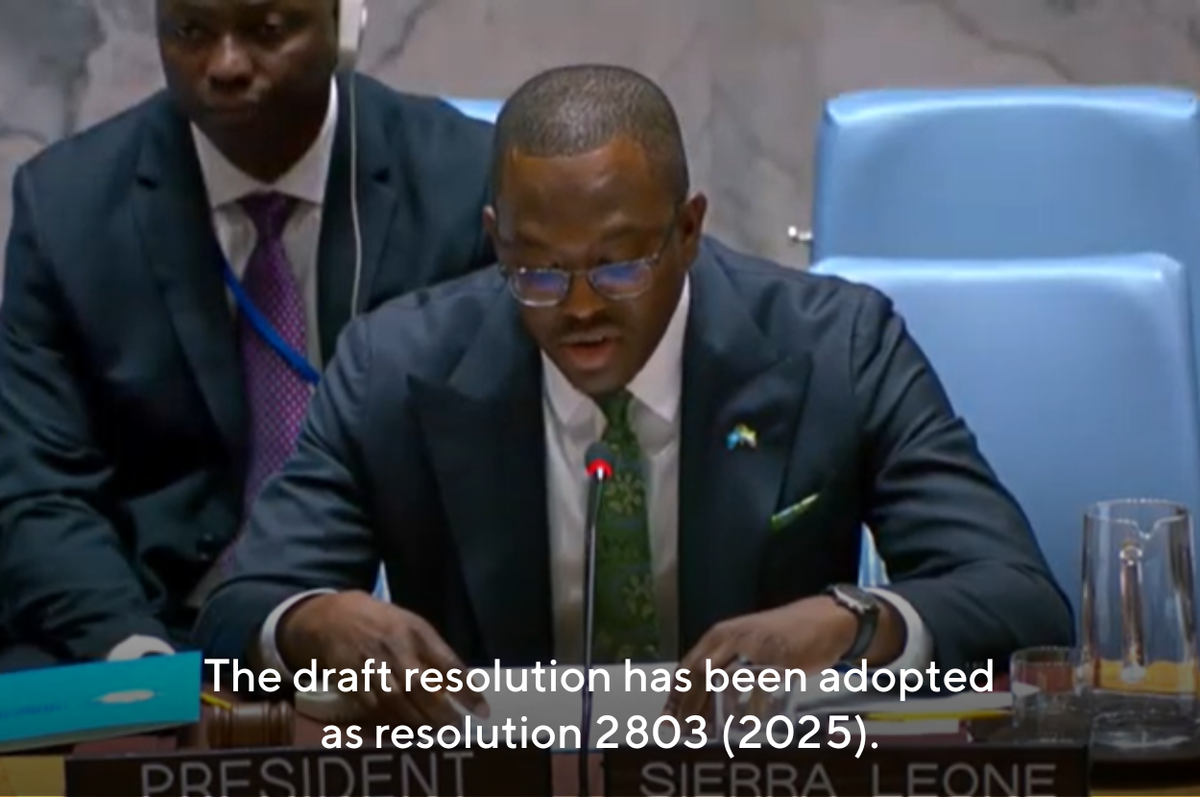
Under US President Donald Trump’s 20-point peace plan, he set up a body, chaired by him, called the Board of Peace (BoP), which was authorized by a UN Security Council resolution and is tasked with overseeing Gaza's transitional governance, reconstruction and demilitarization as part of the second phase of the “ceasefire”.
The NCAG, led by Ali Shaath, a Gaza-born engineer and former Palestinian Authority official, was formed in January but has spent months based in Cairo, Egypt, rather than in Gaza, reportedly because Israel has objected to letting its members enter the territory.
On Monday, July 6, Hamas announced that Mohammed al-Farra, who led the Gaza Government Emergency Committee, had resigned, and that the committee itself was being dissolved, but it did not mention disarming.
Gaza’s government media office said the decision followed talks with Palestinian factions, tribal leaders and civil society groups, held in the presence of a UN observer.
The head of Gaza’s government media office, Ismail al-Thawabta, said only "technical and professional staff" providing public services would stay in their posts, working under the NCAG once it takes over.
Under the peace plan, moving forward from this stage requires Hamas to disarm, which Hamas has resisted doing until a Palestinian administration is fully in place.
Hamas has also said it wants "one authority, one law and one weapon" in Gaza, meaning a single governing body with a single armed force, before it hands over its own weapons.
Hamas spokesperson Hazem Qassem said the move meant Hamas "will no longer be in charge of the Gaza Strip," adding that it was a way to "remove any pretexts" for Israel's continued military presence.
Other Palestinian factions, informed of the move at a meeting in Cairo, welcomed it as a serious step toward letting the NCAG begin governing.
The BoP, through its high representative Nickolay Mladenov, said the move was important for moving talks forward.
An unnamed Israeli official said the resignation was "spin" with no real significance, since Hamas members were staying in their jobs.
Nine months after the truce was signed, talks between Israel and Hamas remain deadlocked over this next phase, which includes Hamas's disarmament and Gaza's reconstruction.
Hamas’ move is seen as a way to push talks, which remain deadlocked after nine months, into the next phase of the “ceasefire” agreement, which includes Hamas's disarmament and Gaza's reconstruction.
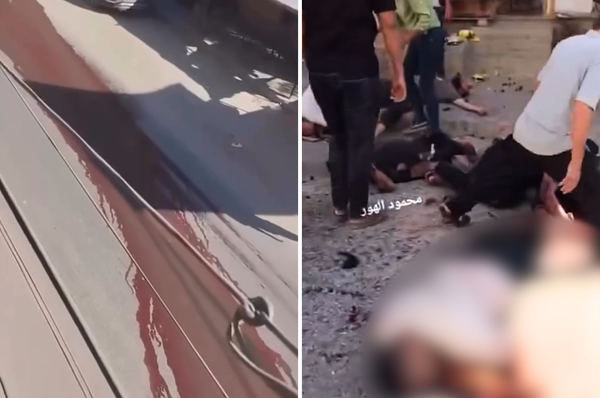
Meanwhile, Israel continues to violate the “ceasefire,” killing more than 1,072 Palestinians since Oct. 10, including at least five on Monday alone.
 Cherry Mohamed
 Cherry Mohamed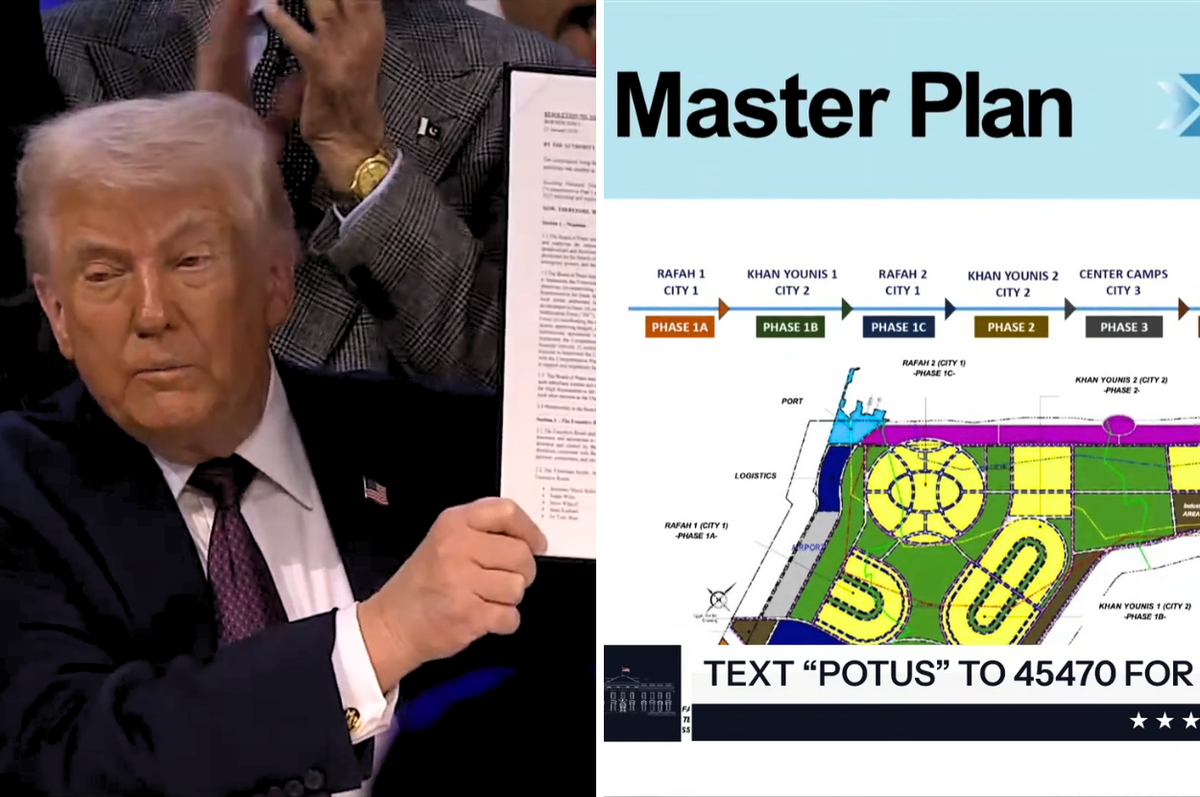
 Cherry Mohamed