People In Iceland Have Voted Not To Resume Talks To Join The EU In A Referendum
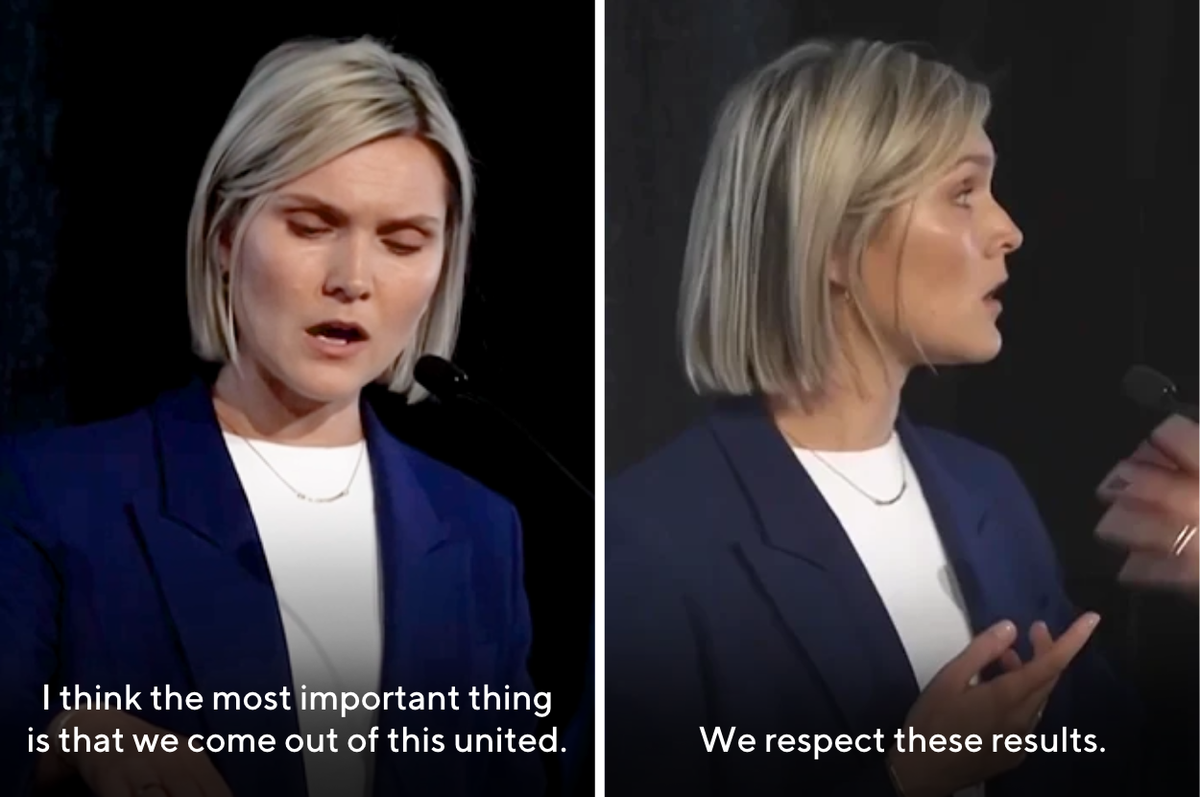
Frostadóttir said her government would respect the outcome, calling it a "victory for democracy" and saying she does not see the result as a setback.

Iceland has voted against holding talks to join the EU in a referendum.
Iceland had applied for EU membership following the 2008 financial crisis and the collapse of its banking system but paused its negotiations in 2013 when a more eurosceptic government came into power.
The country is already a part of the EU's single market, the European Economic Area (EEA), and Schengen border-free zone, and full membership would have brought it into the customs union and the eurozone currency union, according to the BBC.
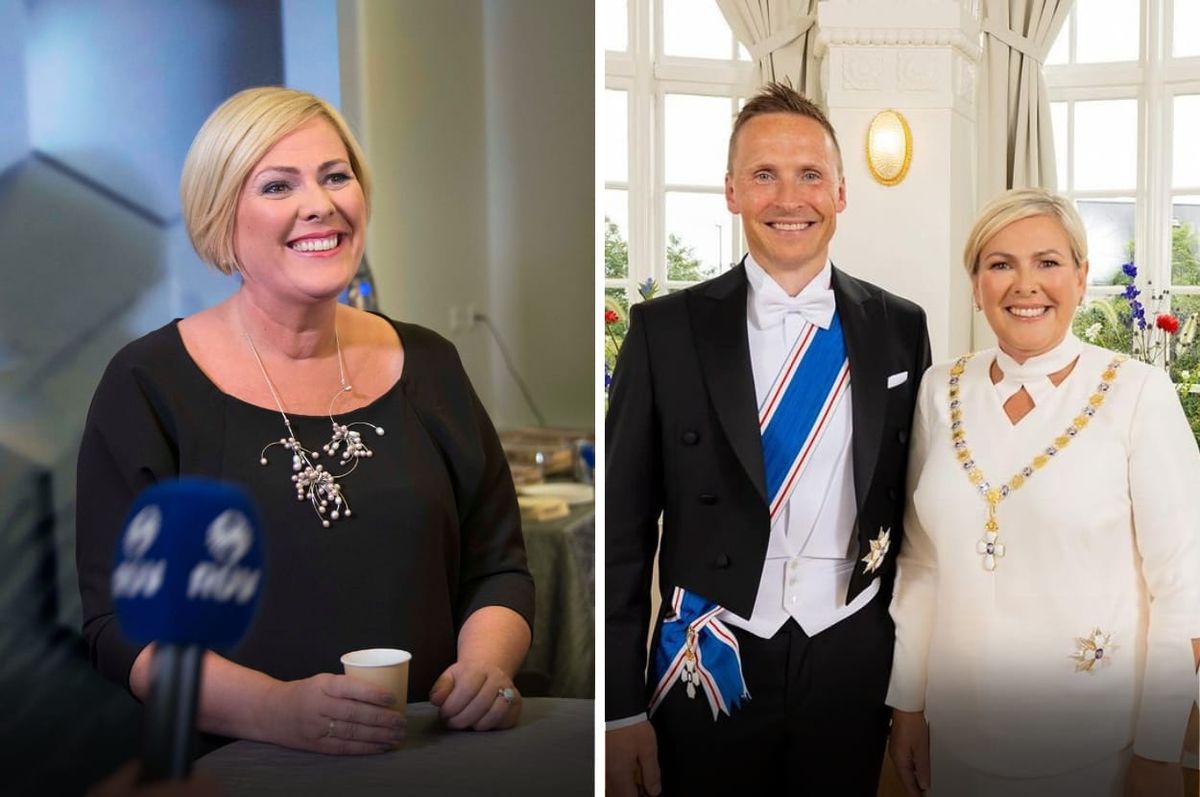
Iceland’s prime minister Kristrún Frostadóttir, who has led the current center-left government since 2024, had supported restarting talks for EU membership and made a referendum on the issue a key promise.
She said that EU membership would provide the country better security as US president Donald Trump has become more aggressive in pursuing control over Arctic countries like Greenland.
She also said that joining the EU would bring down the cost of living through adoption of the euro.
The government said EU membership would also let Iceland help decide the rules it must adopt as part of the EEA and Schengen area agreement.
On Saturday, Aug. 30, Icelanders voted in a referendum asking whether the country should restart negotiations to join the EU, with 52.8% of people voting against and 47.2% voting in favor.
Most rural regions in Iceland, which heavily depend on agriculture and fisheries, voted against the move.
Opponents feared joining the EU would open Icelandic waters to other EU member states for fishing, which accounts for about 40% of Iceland’s exports, according to the BBC.
Frostadóttir said her government would respect the outcome, calling it a "victory for democracy" and saying she does not see the result as a setback.
She had pledged before the vote that if Icelanders rejected resuming talks, the EU question would not return to the political agenda for the rest of her government's term, which runs until 2028.
"I think the biggest reason for these results is that there is no economic urgency for Iceland to join the European Union and the public doesn't seem to think that there is an urgency when it comes to security and defense either," a researcher at the University of Iceland told Reuters.
An EU diplomat told Reuters the vote was a “setback.”
More On Iceland
 Cherry Mohamed
 Isha Jain