Israel Killing This Lebanese Journalist And Injuring Her Colleague Was A War Crime, Three Investigations Found
Three human rights organizations each released the findings of separate investigations into the attack, all concluding it amounted to a war crime.


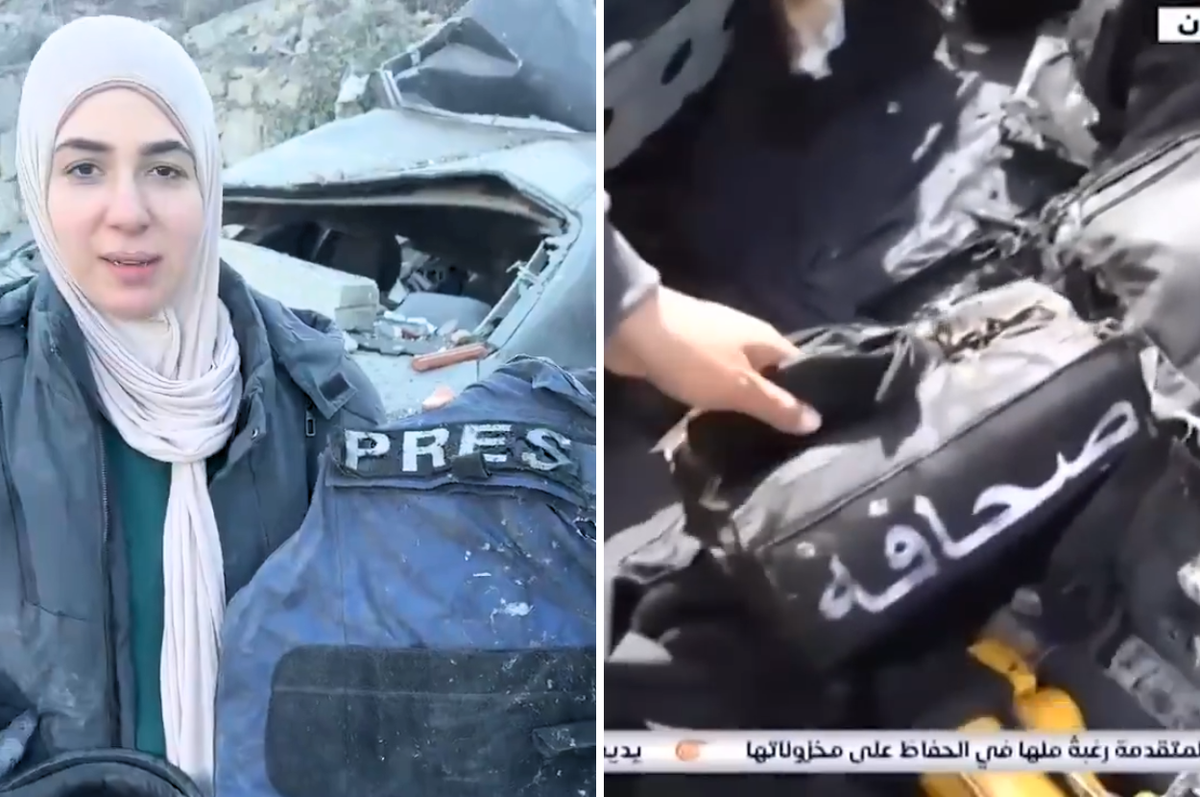
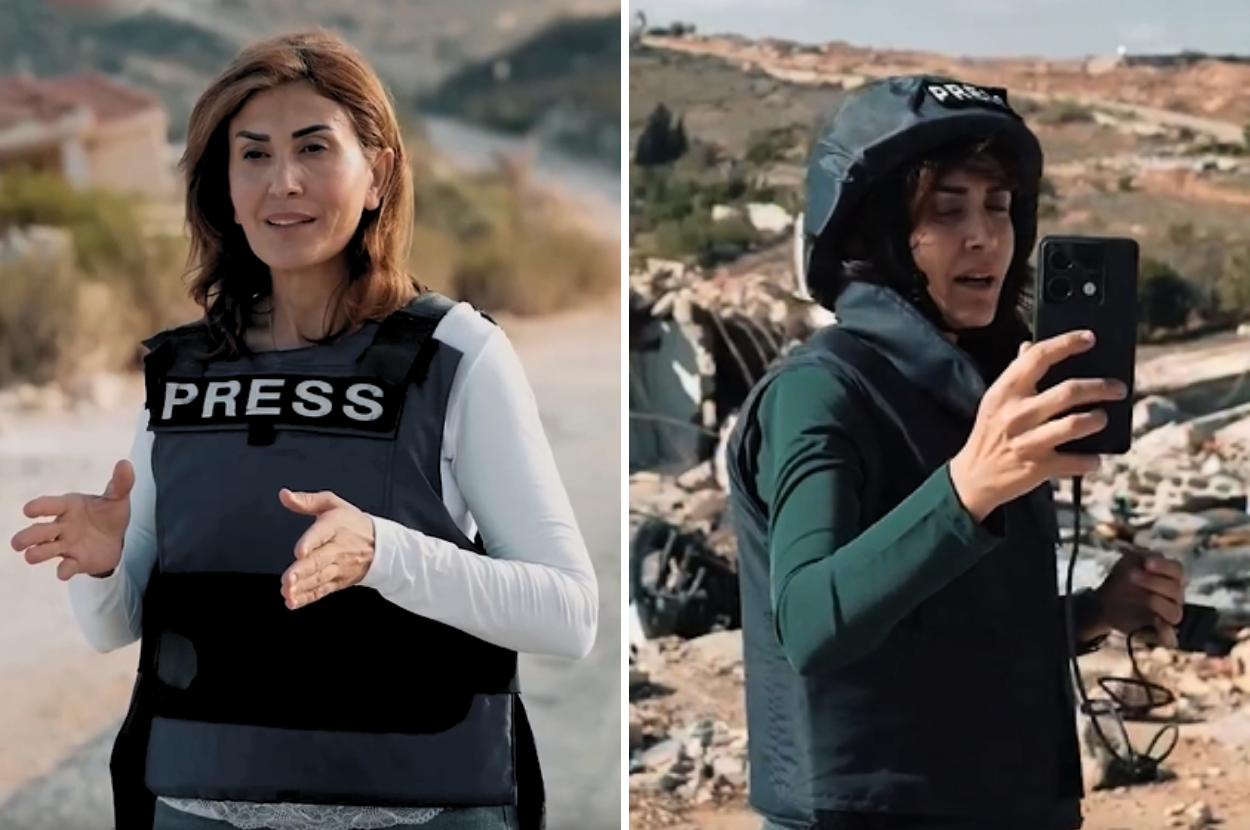
Three Human rights groups found that the Israeli strikes that killed veteran Lebanese journalist Amal Khalil and injured her colleague Zeinab Faraj while they were reporting on Israel’s attacks on southern Lebanon in April were a war crime.
42-year-old Khalil, who works for Lebanese media Al Akhbar, has covered Israel’s attacks on southern Lebanon for Al Akhbar since the 2006 war.
Lebanese officials said Khalil was killed in a “double-tap” strike on April 22.
Khalil and her colleague Faraj, a freelance photojournalist, were reporting on Israeli attacks on southern Lebanon despite a “ceasefire” between Israel and Lebanon at the time.
While they were on their way, Israel launched an attack on a vehicle that killed two people near the journalists’ car, prompting the journalists to take shelter in a nearby house.
Rescue workers initially tried to reach them but came under Israeli fire and were forced to withdraw, according to Lebanon's Ministry of Public Health.
Israeli forces then launched another strike on the house where they were sheltering, leaving them trapped under the rubble.
Israel granted the Red Cross limited access to the site, and paramedics were able to evacuate Faraj, who reportedly sustained critical head injuries, and the two other people who were killed.
However, they were then forced to withdraw due to continued Israeli shelling and the direct firing on rescue crews and vehicles, according to news reports.
Khalil was last heard from at approximately 4:10 pm local time, when she called her family and the Lebanese military, according to the Committee to Protect Journalists (CPJ).
The Red Cross then had to wait for Israeli authorization to re-enter the site.
Khalil's body was recovered shortly before midnight, more than seven hours after the attack.
The head of the Union of Journalists in Lebanon said Israeli forces had sent Khalil a WhatsApp death threat in September 2024, warning her to stop reporting, according to CPJ.
The Israeli military denied blocking rescue teams and said it does not target journalists.
CPJ said Khalil's killing "must be a wake-up call for the international community to enforce international law, and hold all those responsible to account."
Khalil is the ninth journalist killed by Israel in Lebanon in 2026.
Less than a month ago, an Israeli strike targeted a marked media car in southern Lebanon, killing three journalists at once.
On Thursday, Aug. 6, three human rights organizations — Human Rights Watch, Amnesty International and the Lebanese group The Legal Agenda — each released the findings of separate investigations into the attack, all concluding it amounted to a war crime.
Human Rights Watch said the strikes "included apparently deliberate attacks on civilians and civilian objects, which would make them war crimes."
Amnesty International said the attack should be investigated as "a direct attack on civilians."
The Legal Agenda said Israel's military actions "constitute war crimes and grave violations of international humanitarian law."
All three groups said Israeli forces knew or should have known Khalil and Faraj were civilians, pointing to the Israeli drones tracking the area throughout the two-hour period between the first and final strikes.
Amnesty said Israel's military told the group the incident "underwent a preliminary review and relevant lessons were implemented accordingly," and that it "regrets any harm caused to journalists."
Khalil is the ninth journalist killed by Israel in Lebanon in 2026.
The Committee to Protect Journalists (CPJ) found Israel was responsible for more than two-thirds of journalists killed worldwide in 2025 — 84 of 129 cases — and for 38 of 47 killings the group classified as deliberate murder that year.
 Cherry Mohamed
 Cherry Mohamed