Myanmar’s Military Has Banned Period Pads Forcing People To Use Leaves And Rags For Their Periods
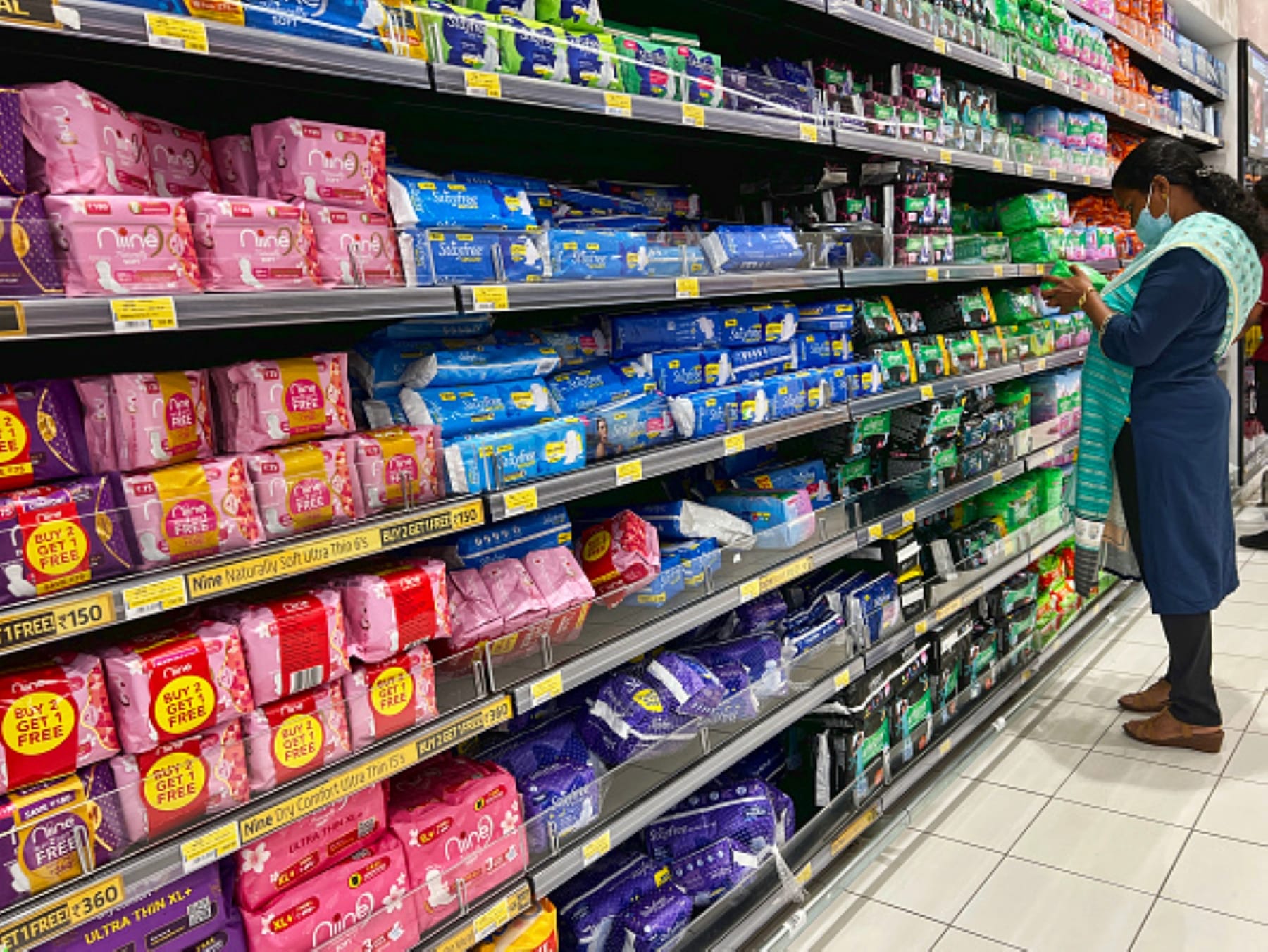
Sanitary pad prices in black markets have tripled to 9,000 kyat (about US$4) per pack, which is more than a day's wages for most people.

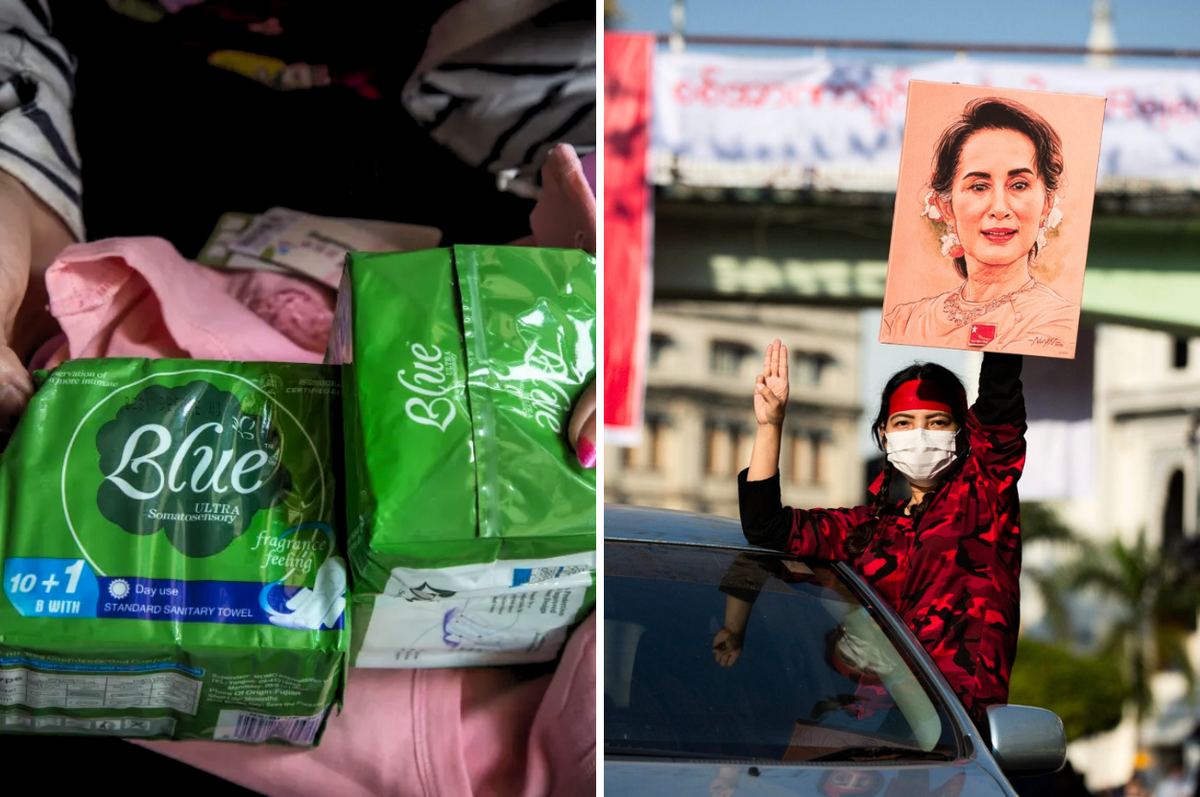
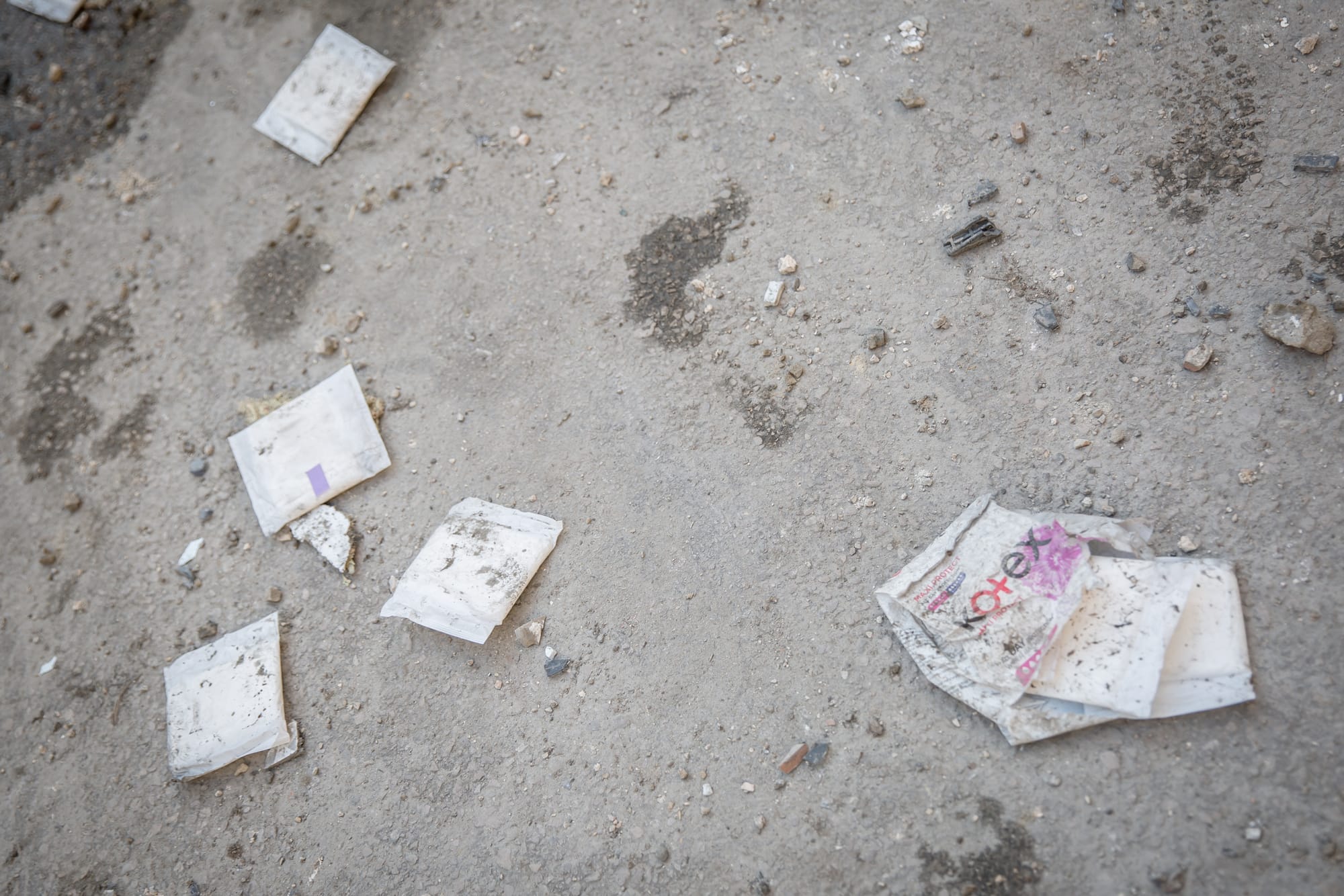
Myanmar's military has banned pads from entering rebel-held areas, forcing people to use rags, leaves and newspaper to manage their periods.
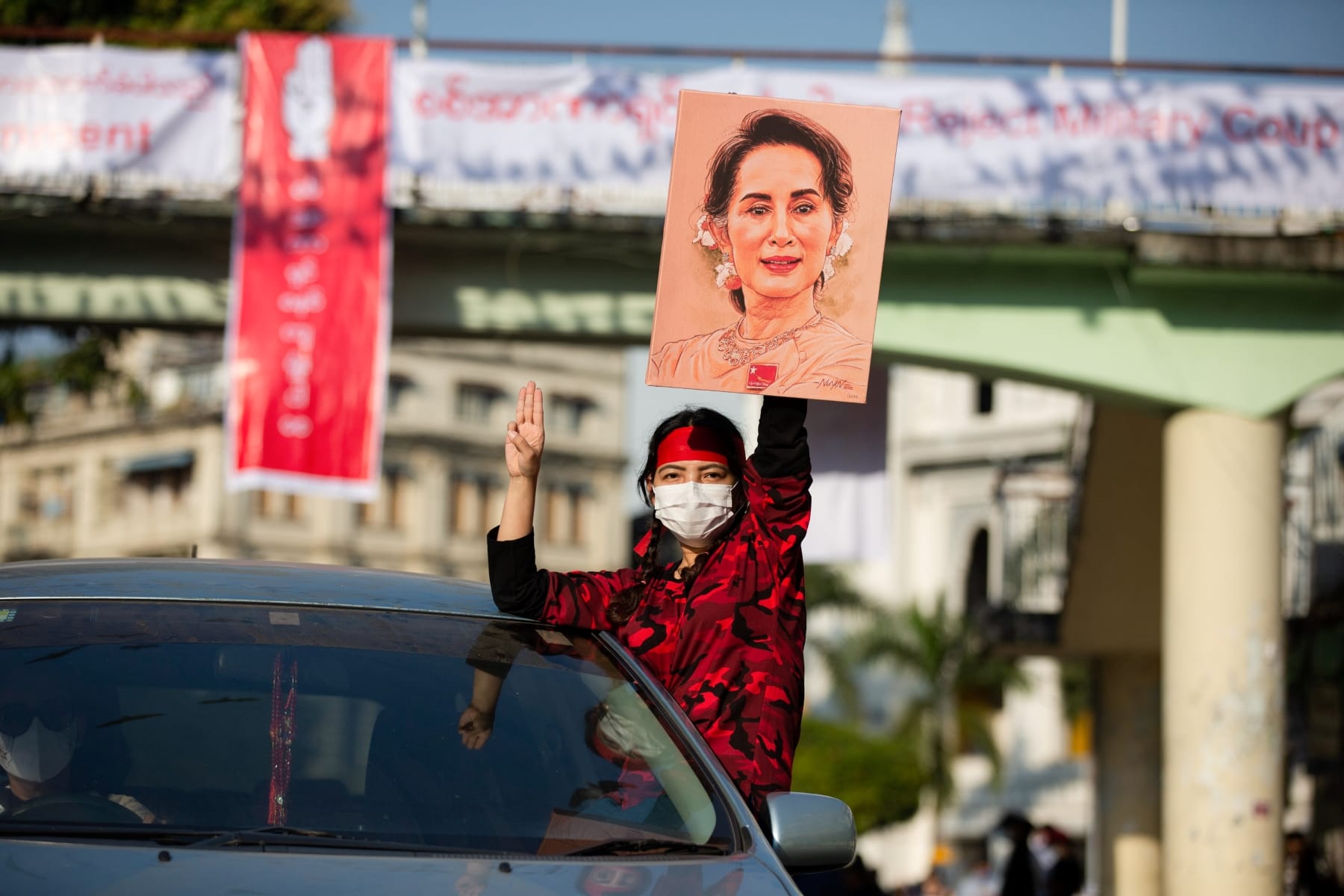
Myanmar has been in civil war since February 2021, when the military took power in a coup and detained the country's leader, Aung San Suu Kyi.
After the military violently cracked down on protests following the coup, resistance groups began forming across the country to fight to restore democracy.
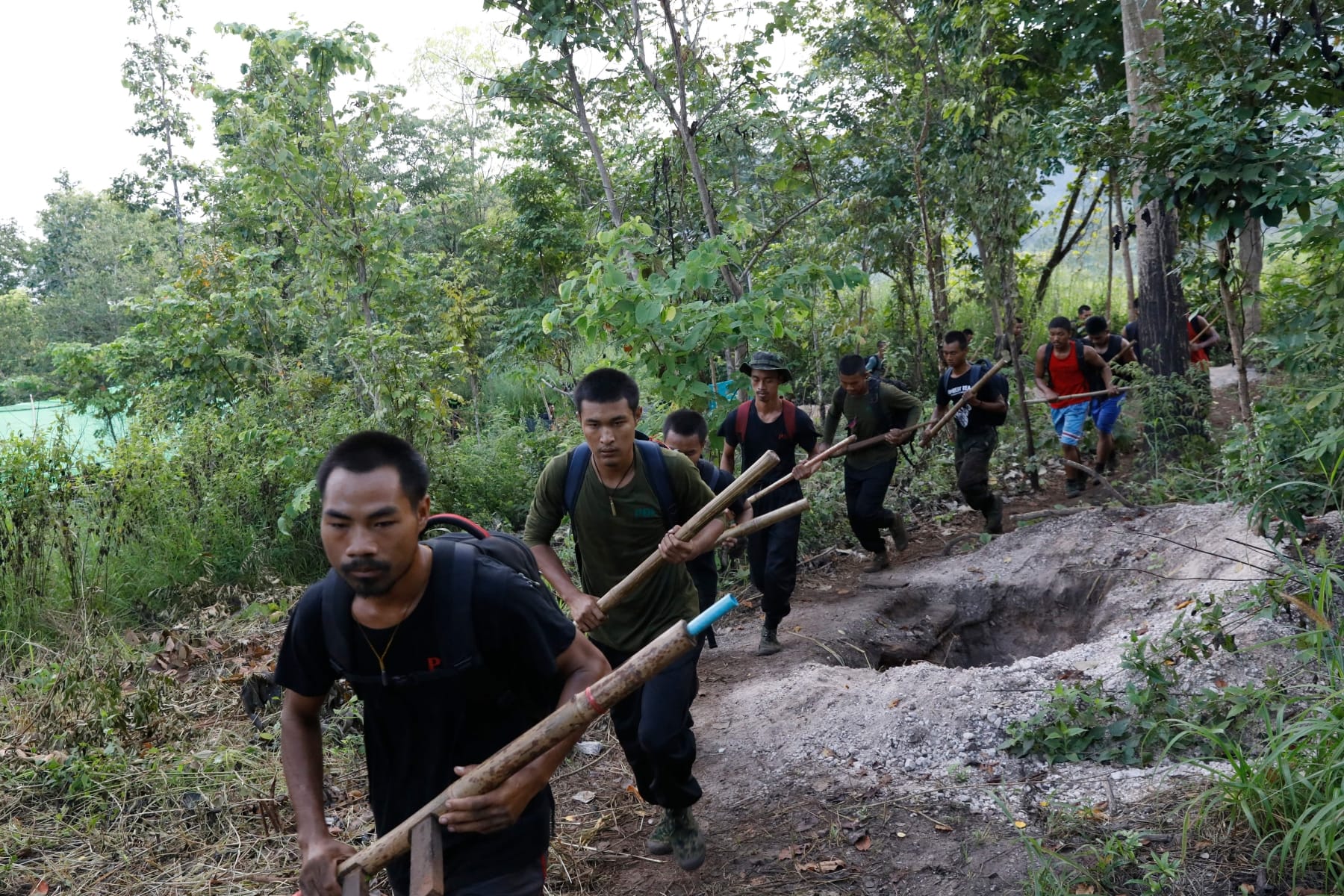
To crush the resistance, the junta has been stopping basic supplies from flowing into rebel-held areas.
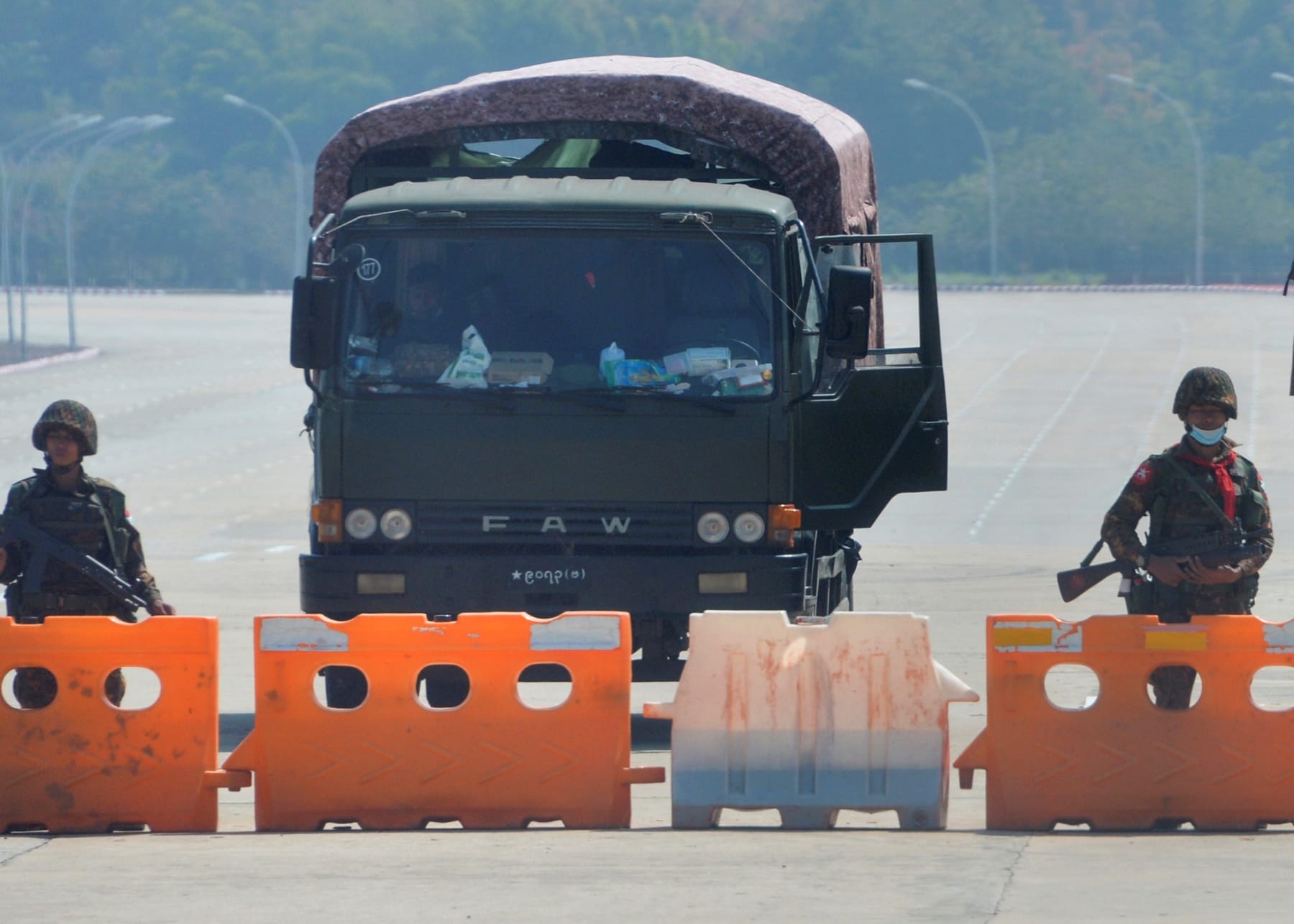
In August 2025, it banned a wide range of goods, including medicines, electrical appliances and period products, from being transported into areas with significant opposition control.
The military claims that resistance fighters are using pads as first aid to absorb blood from wounds.
But medical aid charity Skills for Humanity (SFH) told the Guardian that anyone who had ever worked in combat medicine knows that pads can't be used to treat gunshot wounds or even lacerations.
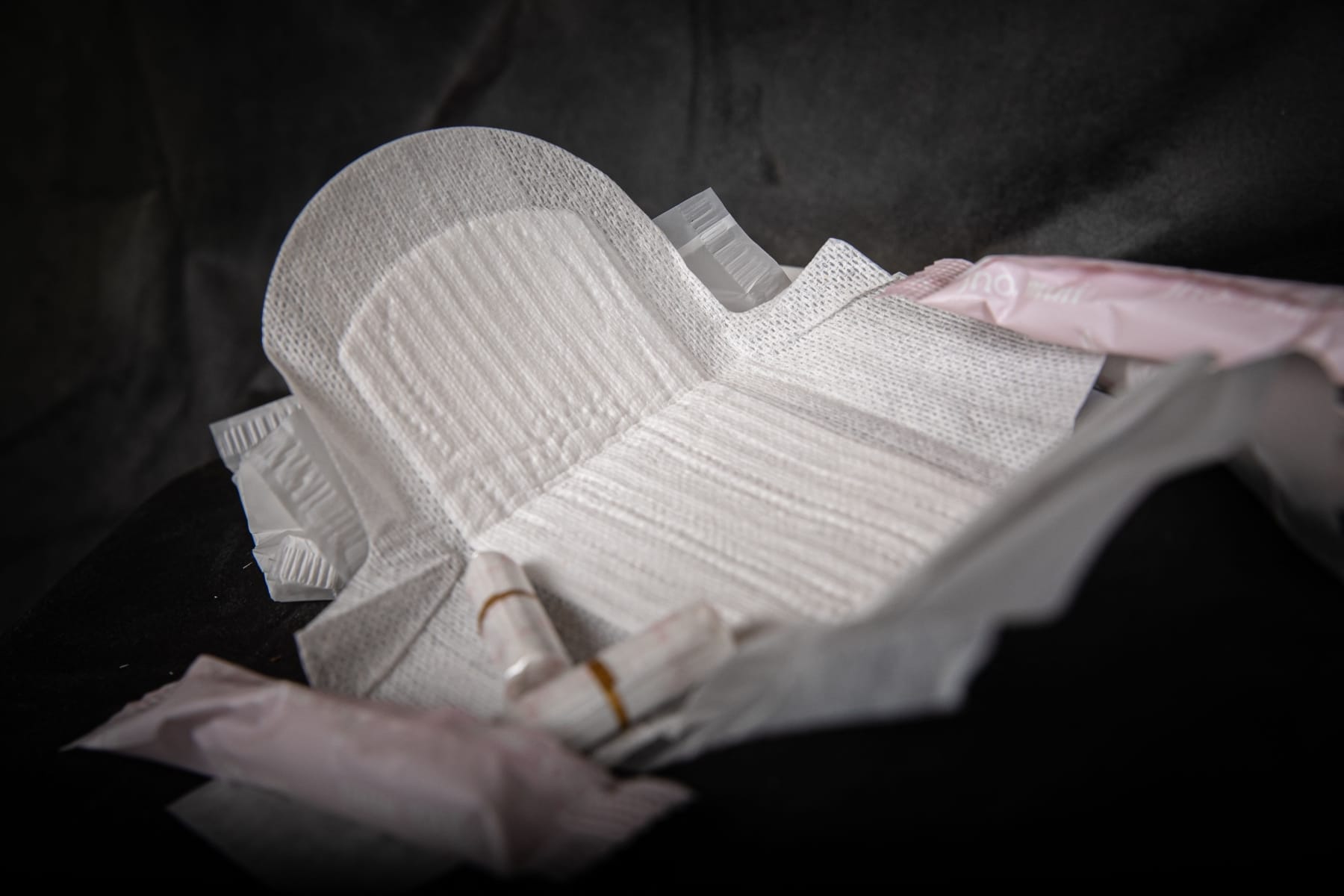
This is because pads can't stay in place, soak enough blood and wouldn't keep the area clean.
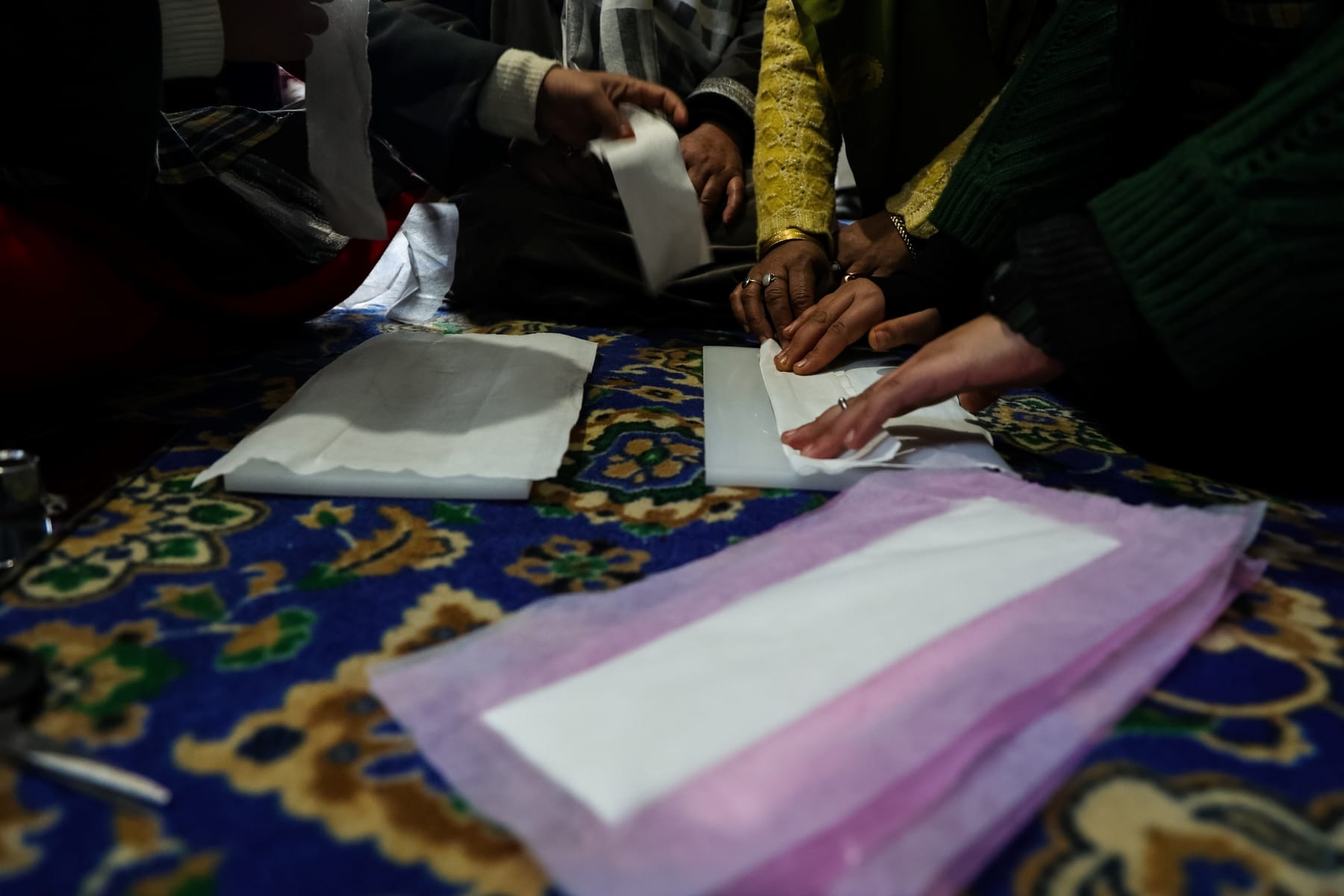
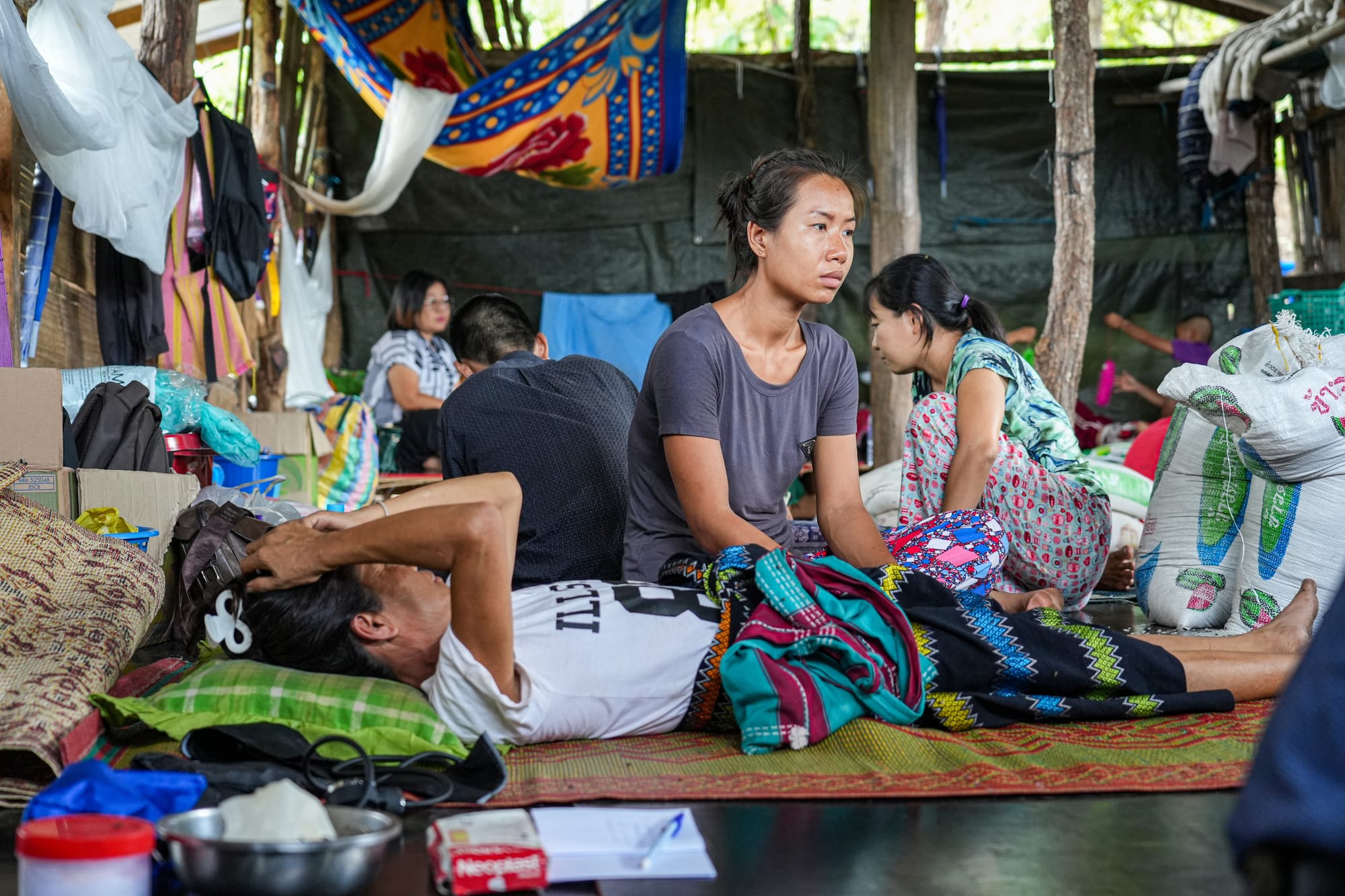
As a result of the ban, people are being forced to use unsafe alternatives during their periods such as rags, leaves or newspaper, which can cause urinary tract infections (UTIs), reproductive tract infections and lasting health damage.
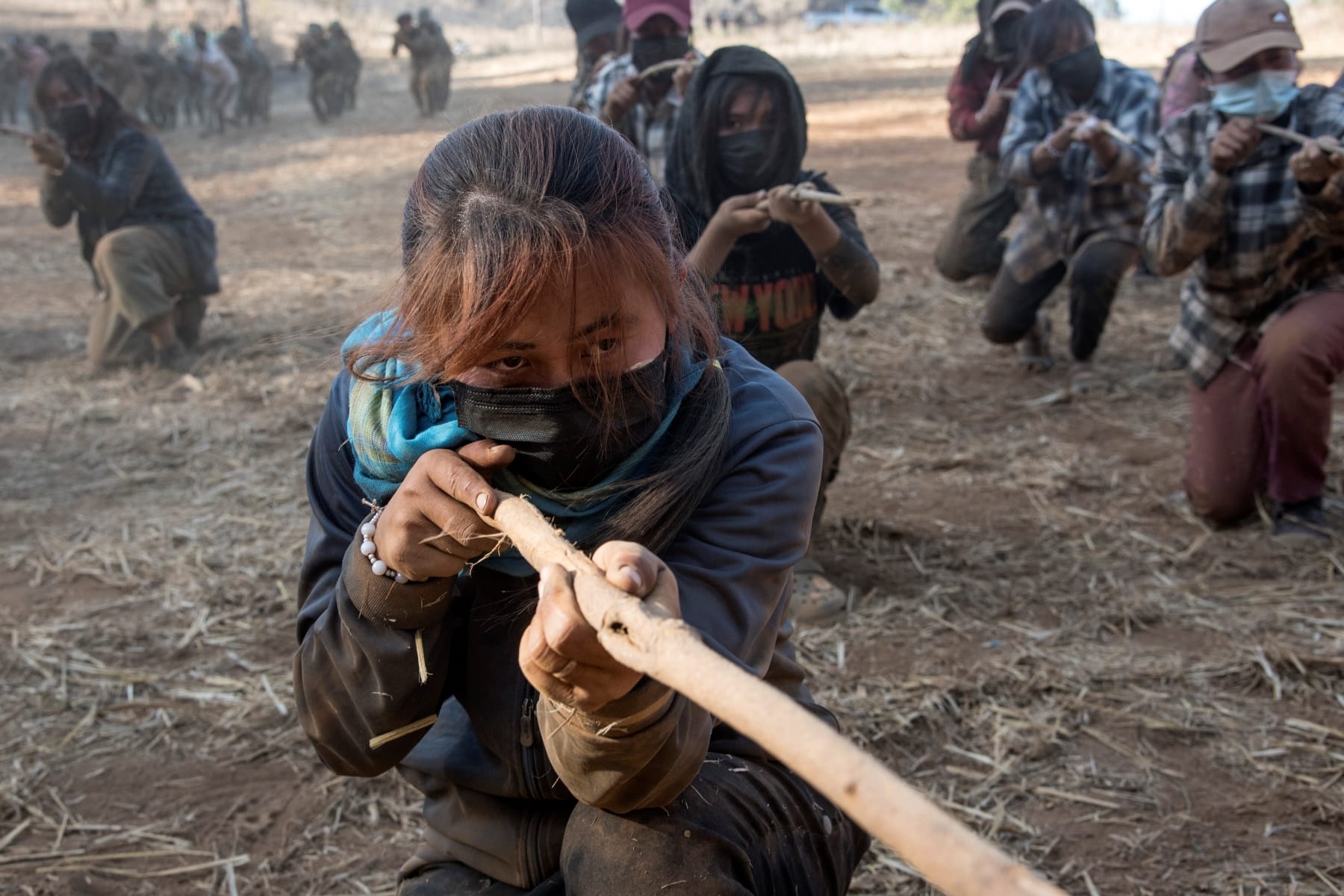
And sanitary pad prices in black markets have tripled to 9,000 kyat (about US$4) per pack, which is more than a day's wages for most people.
SFH condemned the move as a form of gender-based violence designed to target women fighters, control civilians, especially those who have been forced into displacement camps.
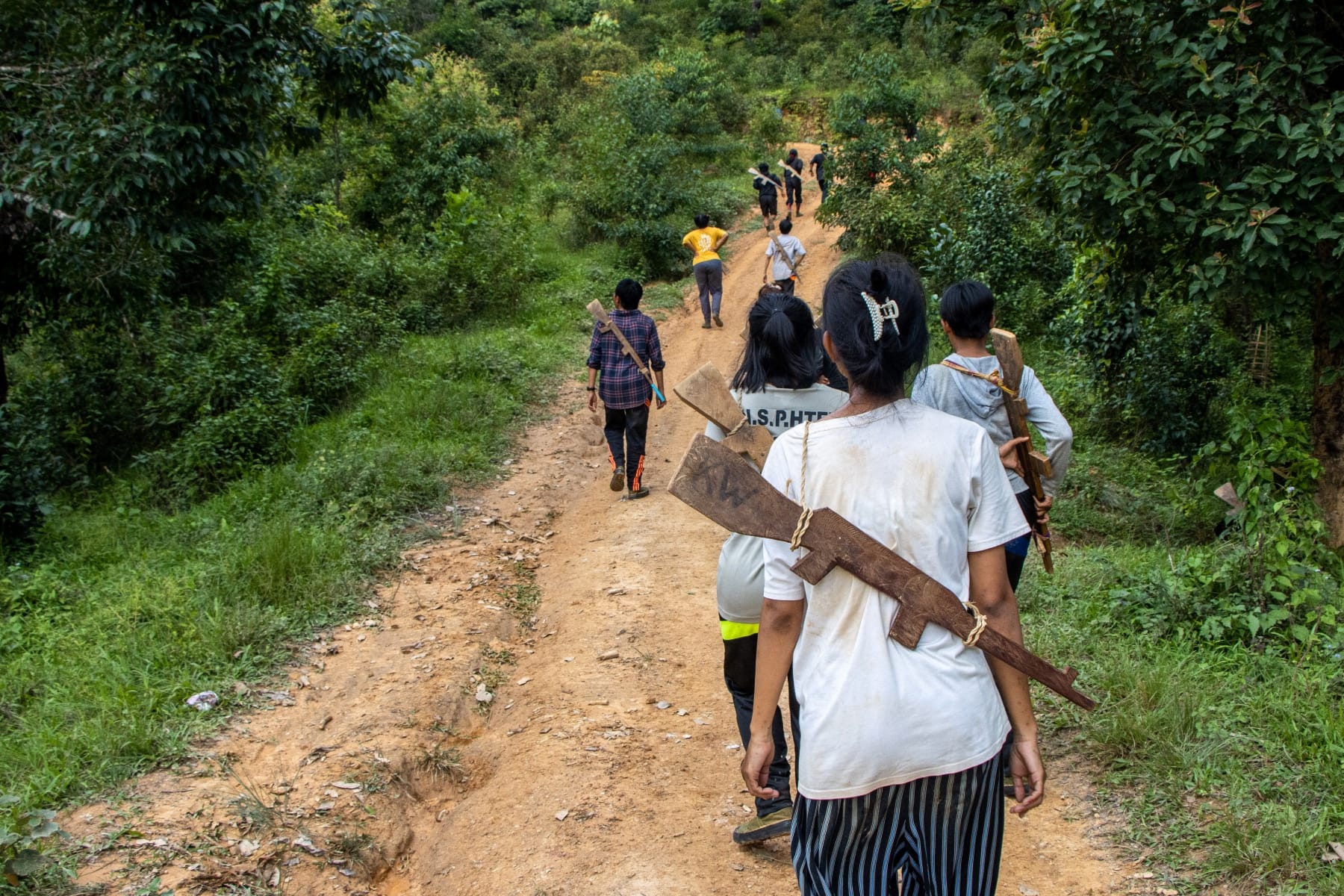
Local aid groups say they have have alerted the UN to the situation, calling the ban a human rights violation.
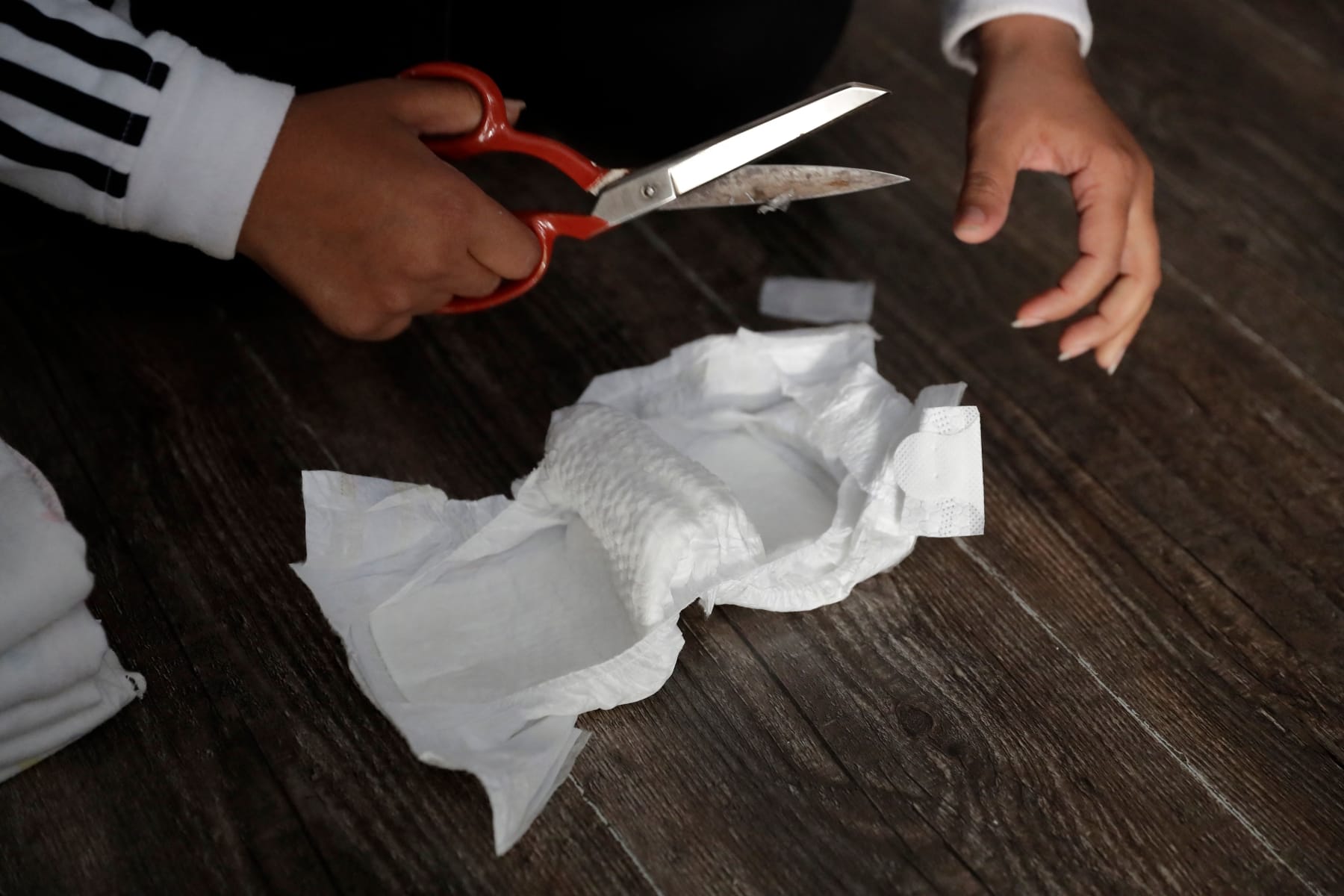
More On Myanmar
 Cherry Mohamed
 Cherry Mohamed
 Cherry Mohamed