Portugal Has Banned Face Coverings In Public Places, In A Move Widely Seen As Targeting Muslim Women
Amnesty warned the ban could push affected women toward greater isolation, making it harder for them to access education, jobs and public services.

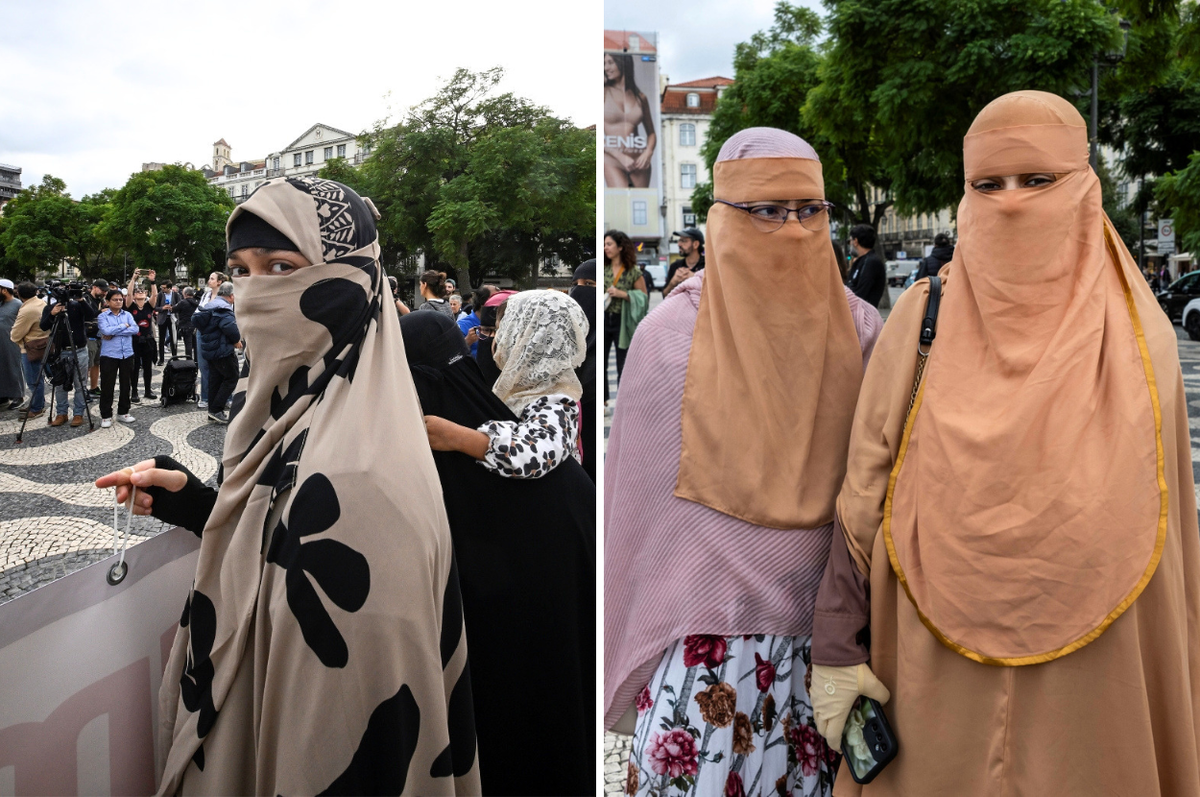
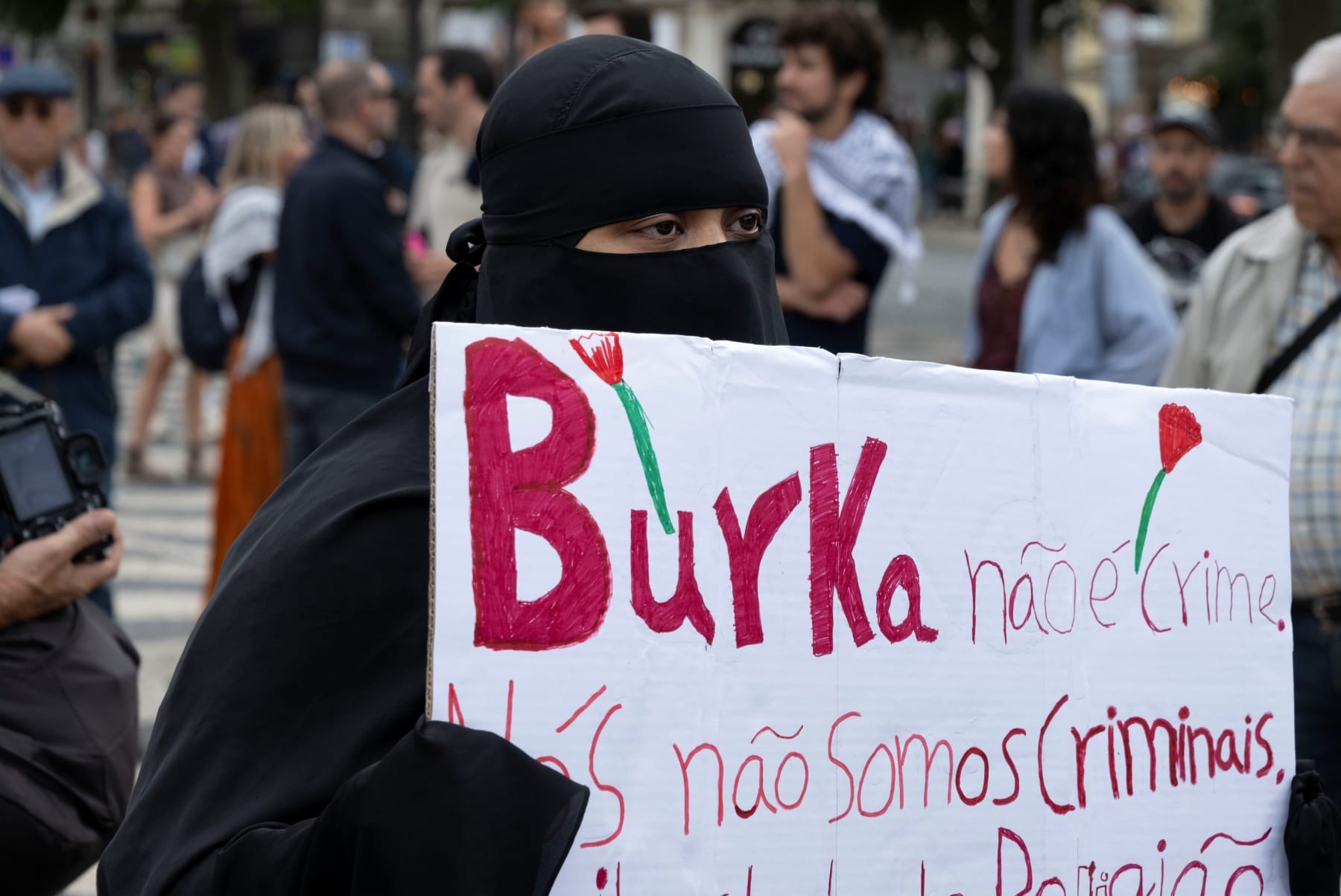
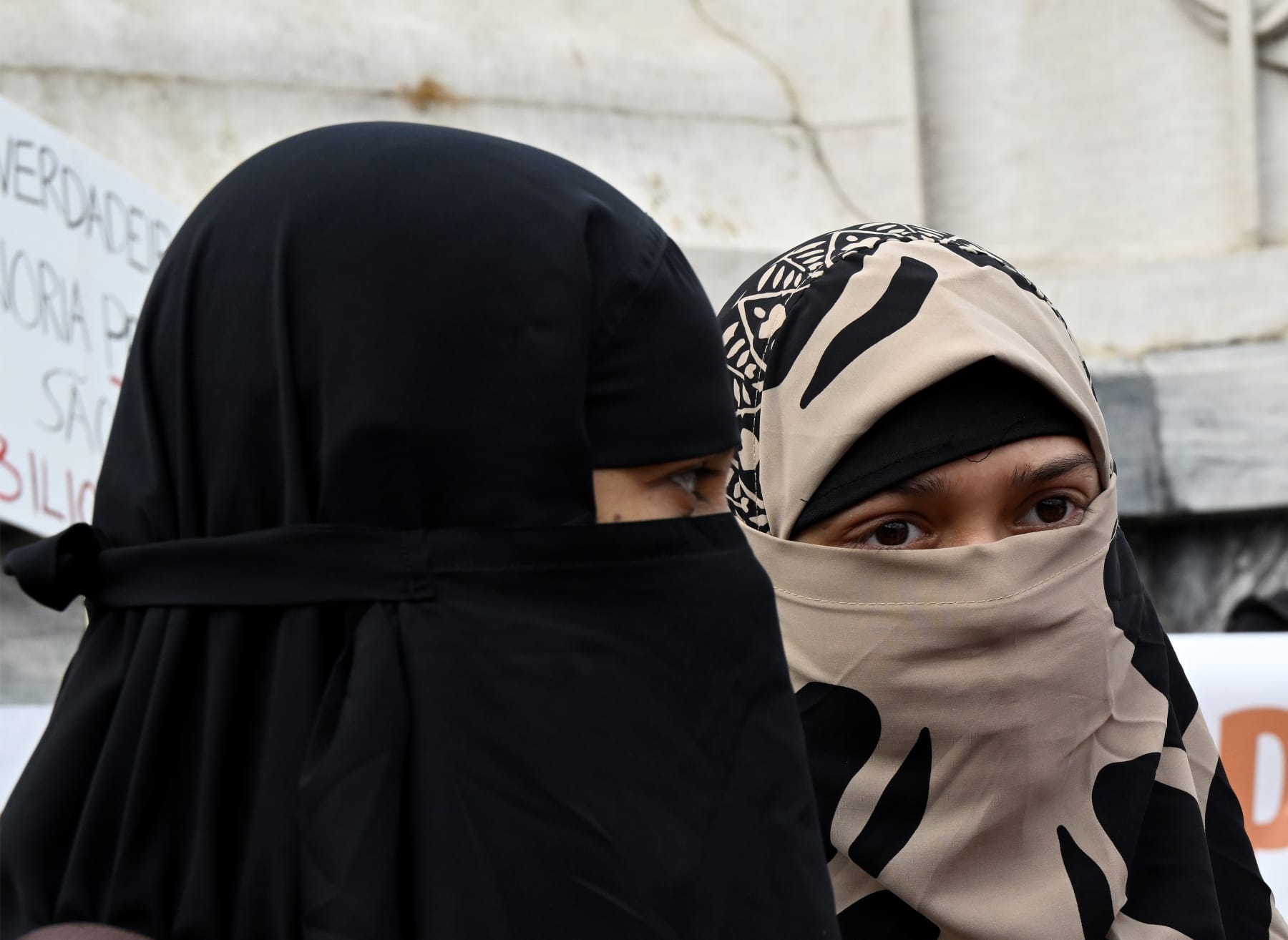
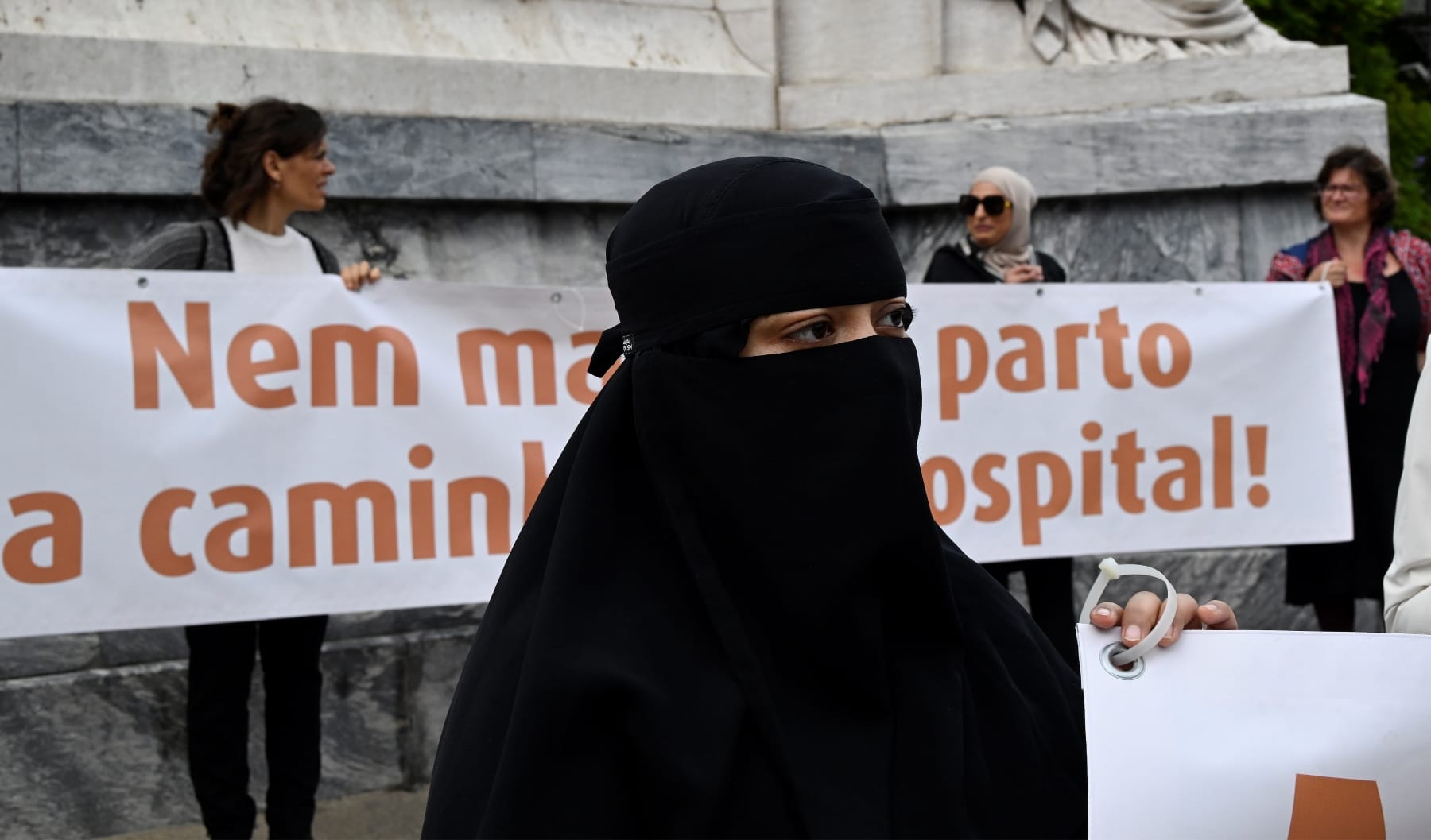
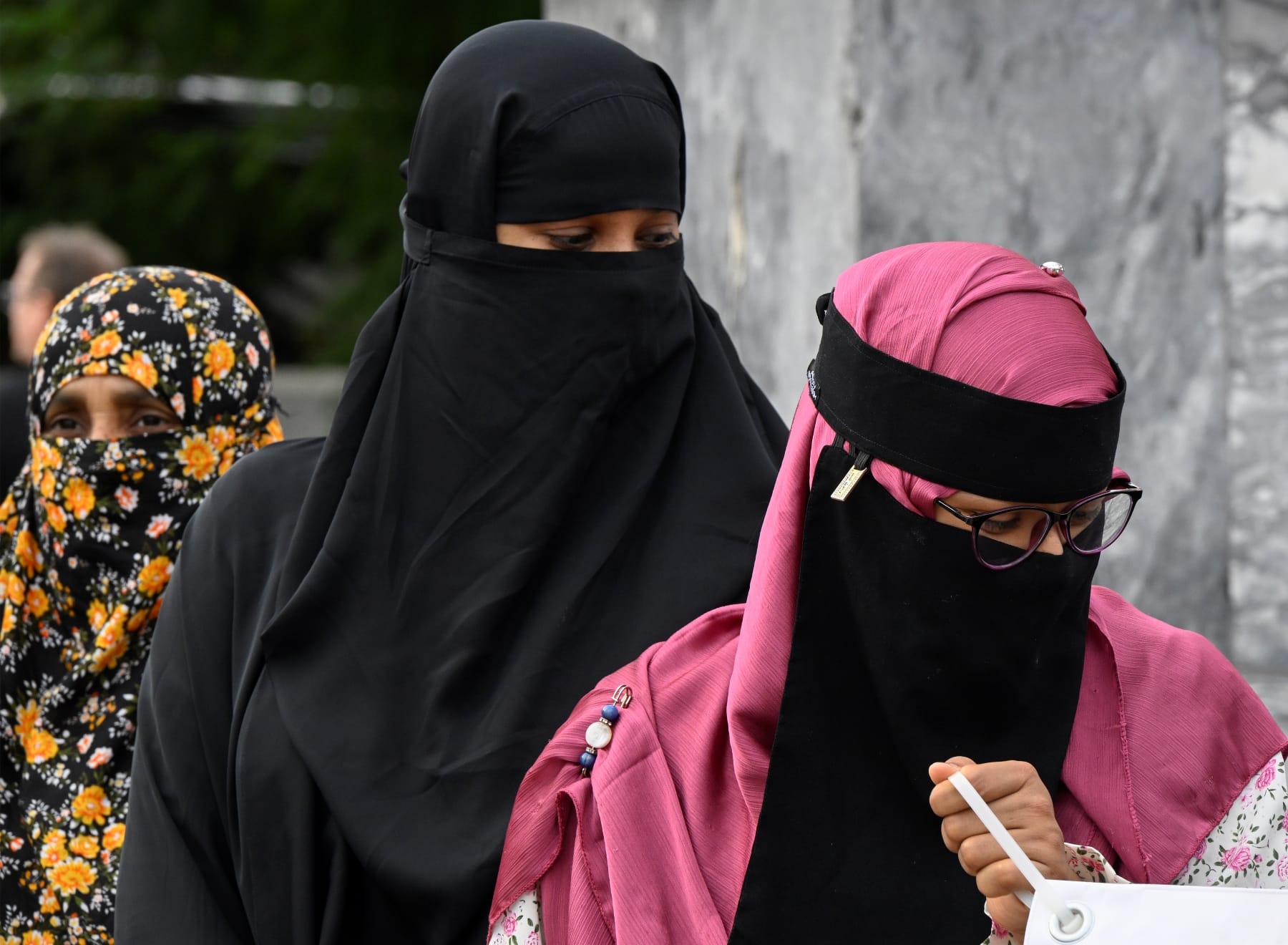
Portugal has banned face coverings in public places, in a move widely seen as targeting Muslim women who wear niqabs and burqas.
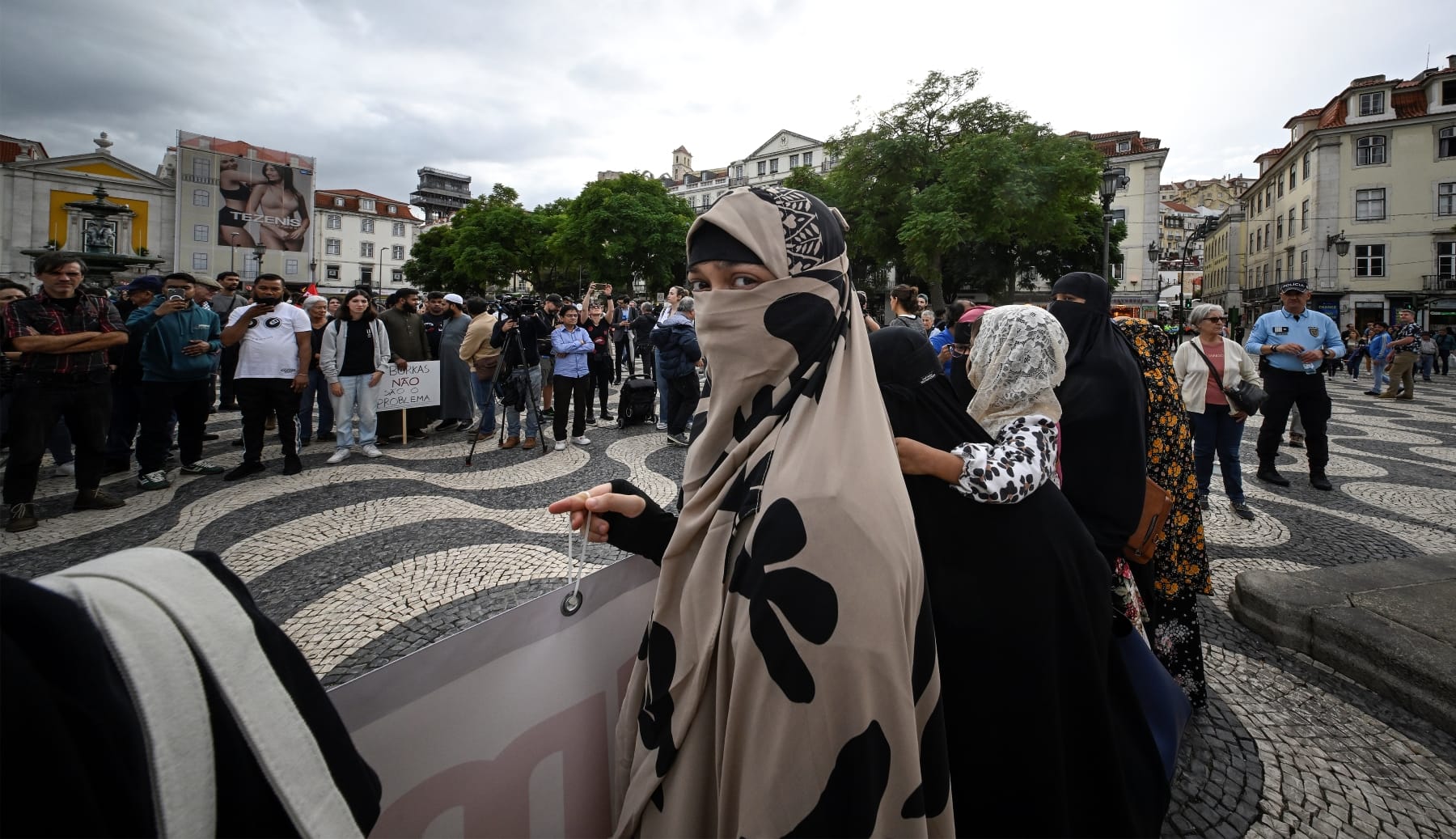
The law, popularly known in Portugal as the “burqa law” prohibits clothing designed to conceal the face or prevent someone from being identified in public spaces.
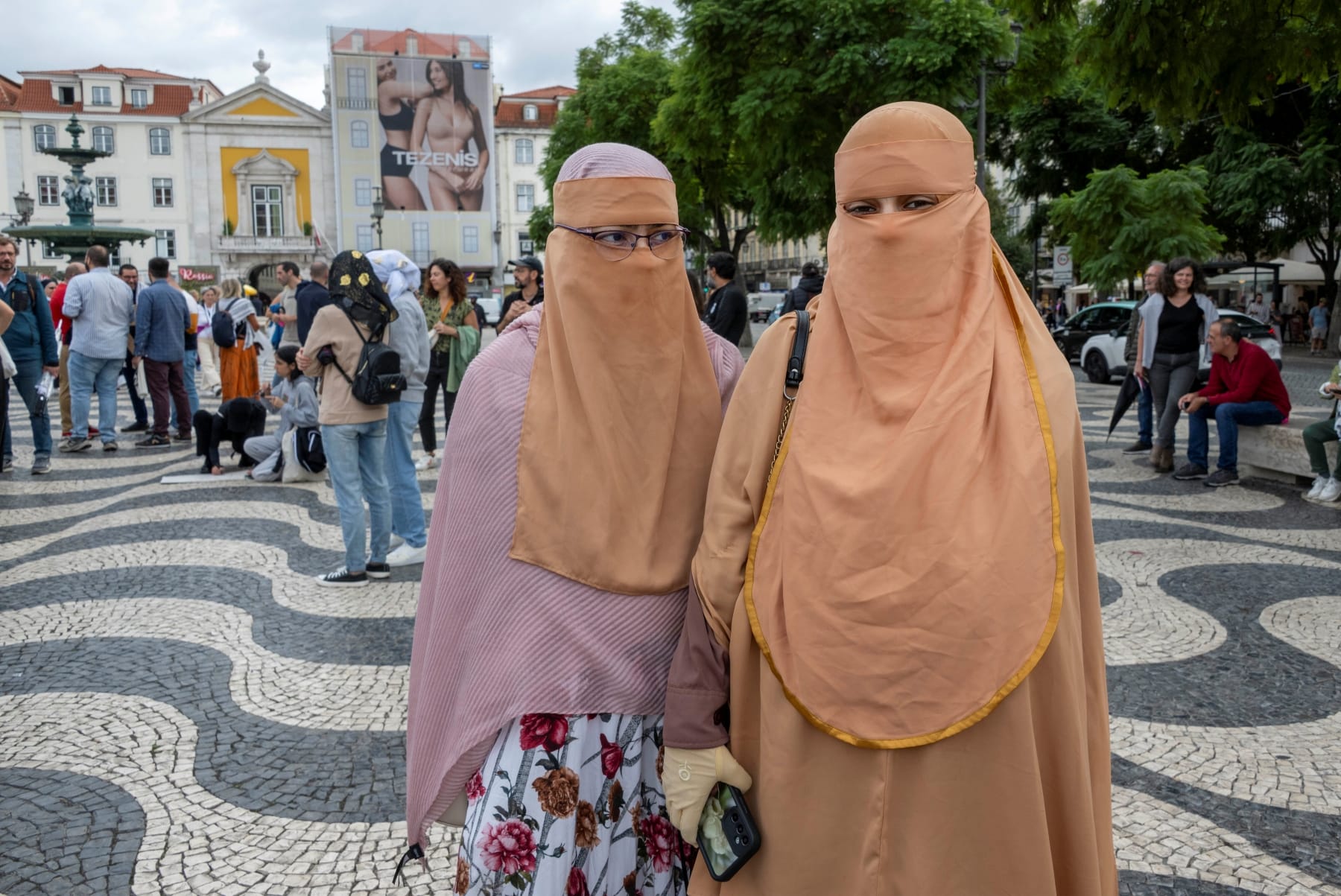
It also bans forcing someone to cover their face for reasons related to gender, religion, age or origin, according to Euronews.
People who violate the law can be fined from €150 to €3,000 (about US$175 to US$3,500).
The bill was first proposed in October 2025 by Chega, a far-right party, who said the goal was to stop women from wearing the burqa in Portugal.
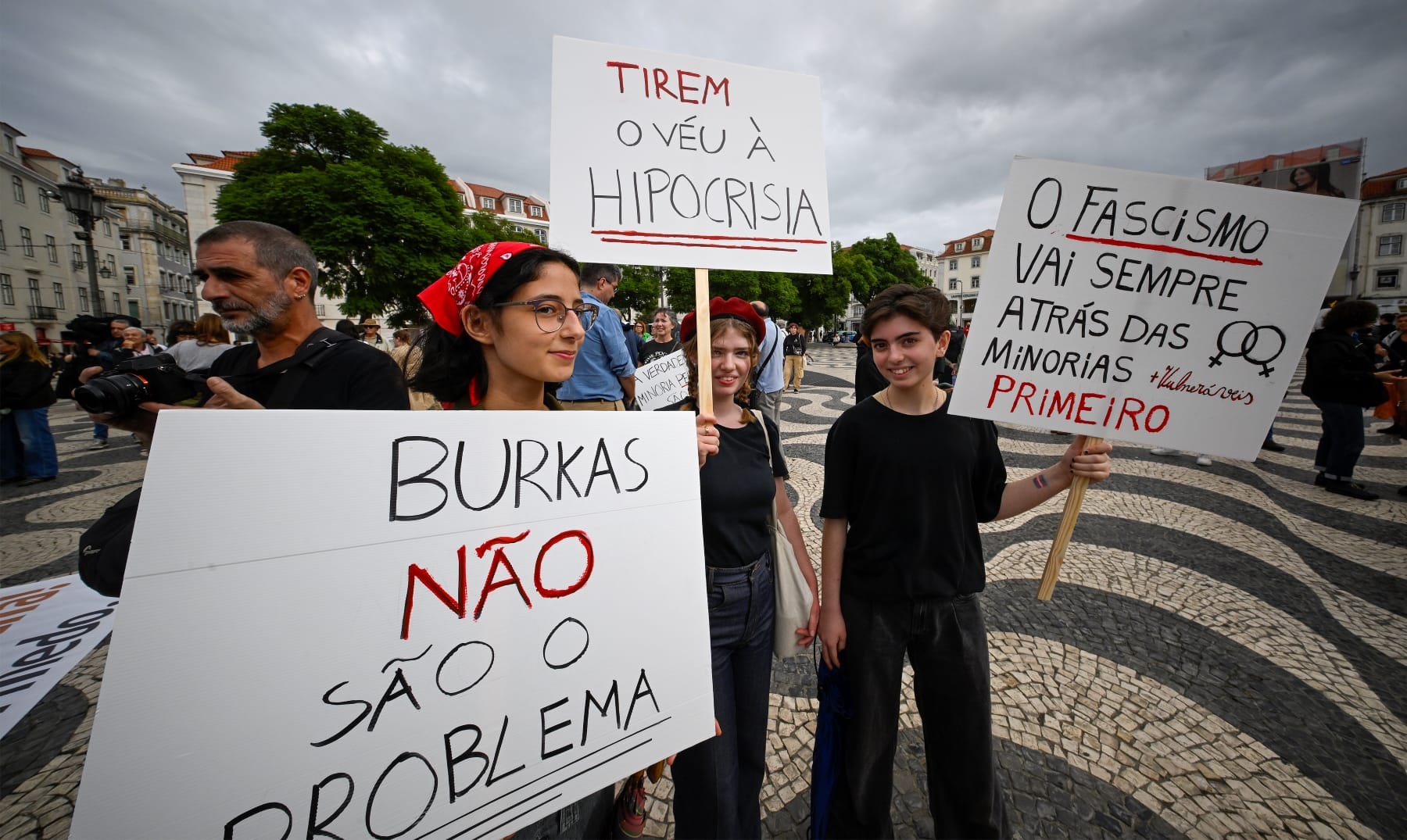
Despite multiple legal bodies saying that the bill could be unconstitutional, the parliament approved the law in July, and the President signed it into law on Aug. 18, saying in a statement that "the face must be considered a central element of human identity and communication.”
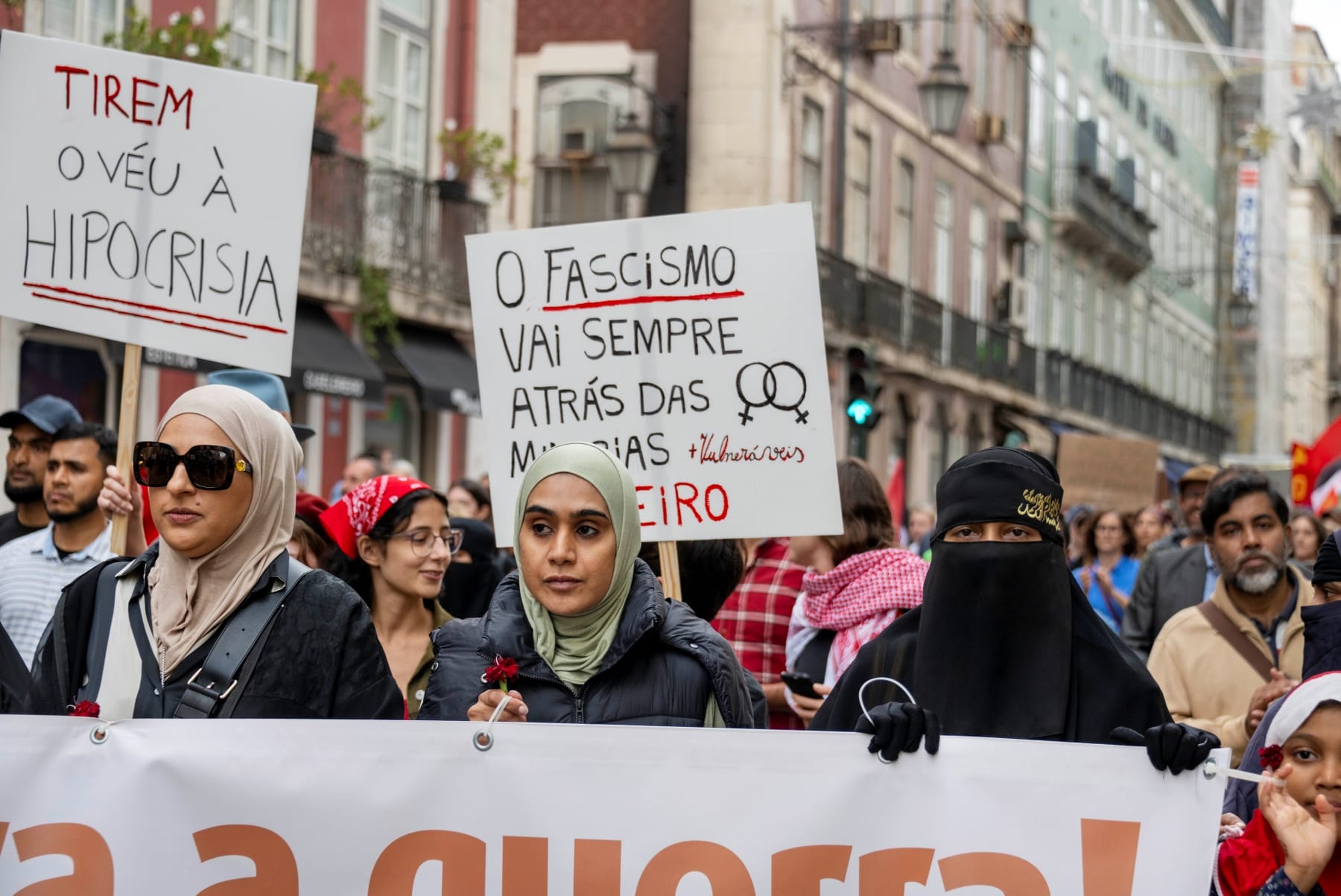
Amnesty International said the law is discriminatory and threatens human rights, including the freedom of religion and expression of Muslim women who choose to cover their faces.
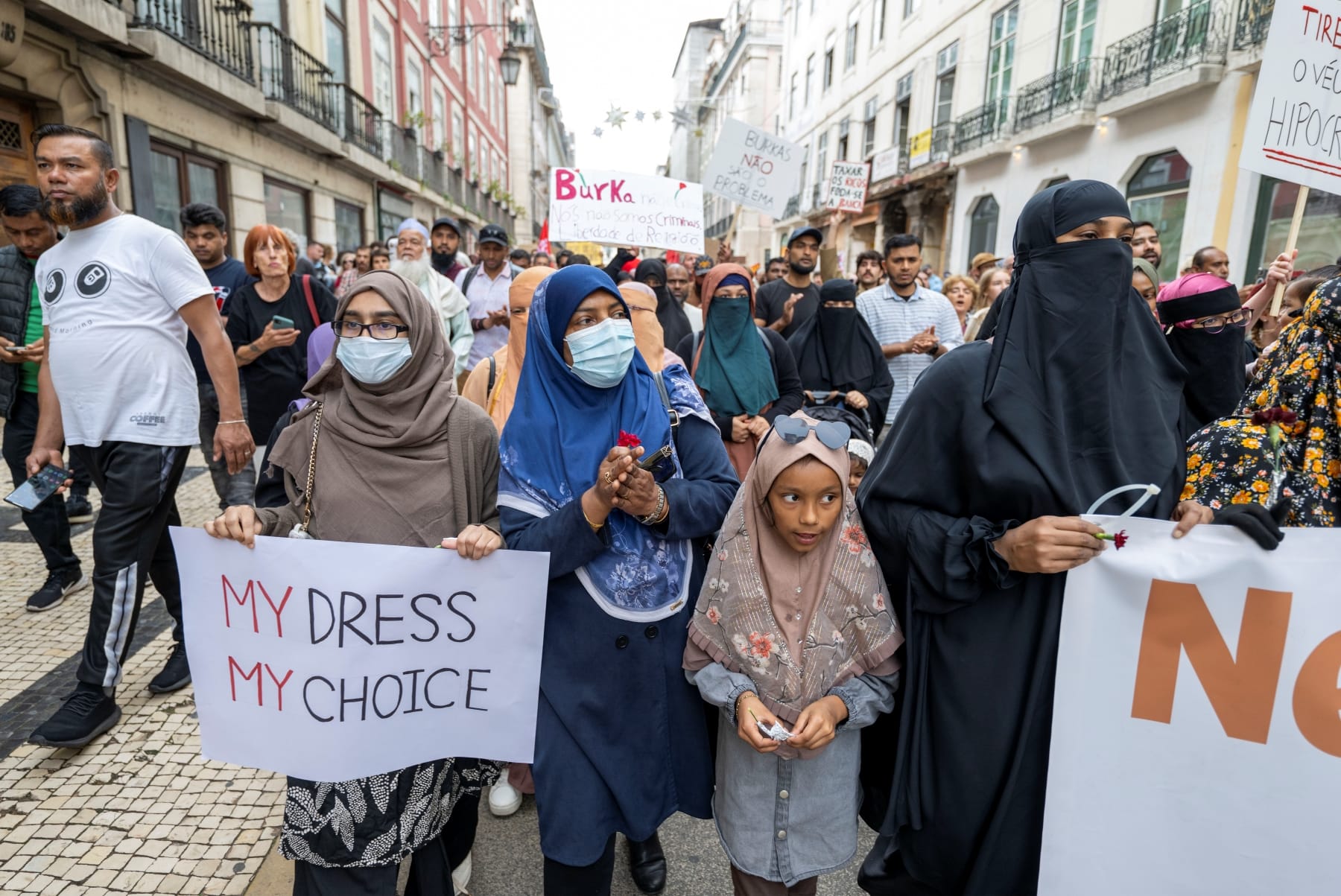
It warned the ban could push affected women toward greater isolation, making it harder for them to access education, jobs and public services, according to the Observatory for Human Rights.
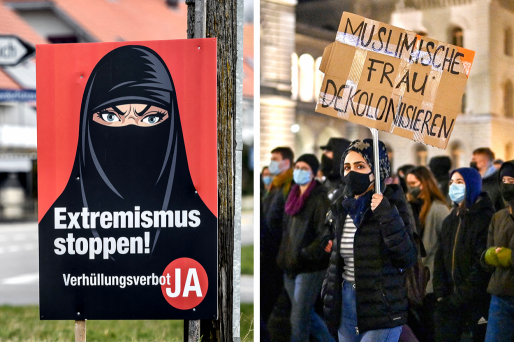
Portugal now joins a longer list of European countries that restrict full-face veils in public, including France, Belgium, the Netherlands, Bulgaria, Austria, parts of Switzerland and Denmark.
 Wendy Chuang
 Steph Lu