The UAE Has Become The First Arab Country To Ban Children Under 15 From Using Social Media
The ban applies to any platform operating in the UAE or targeting users there, regardless of whether the company has a physical presence in the country.

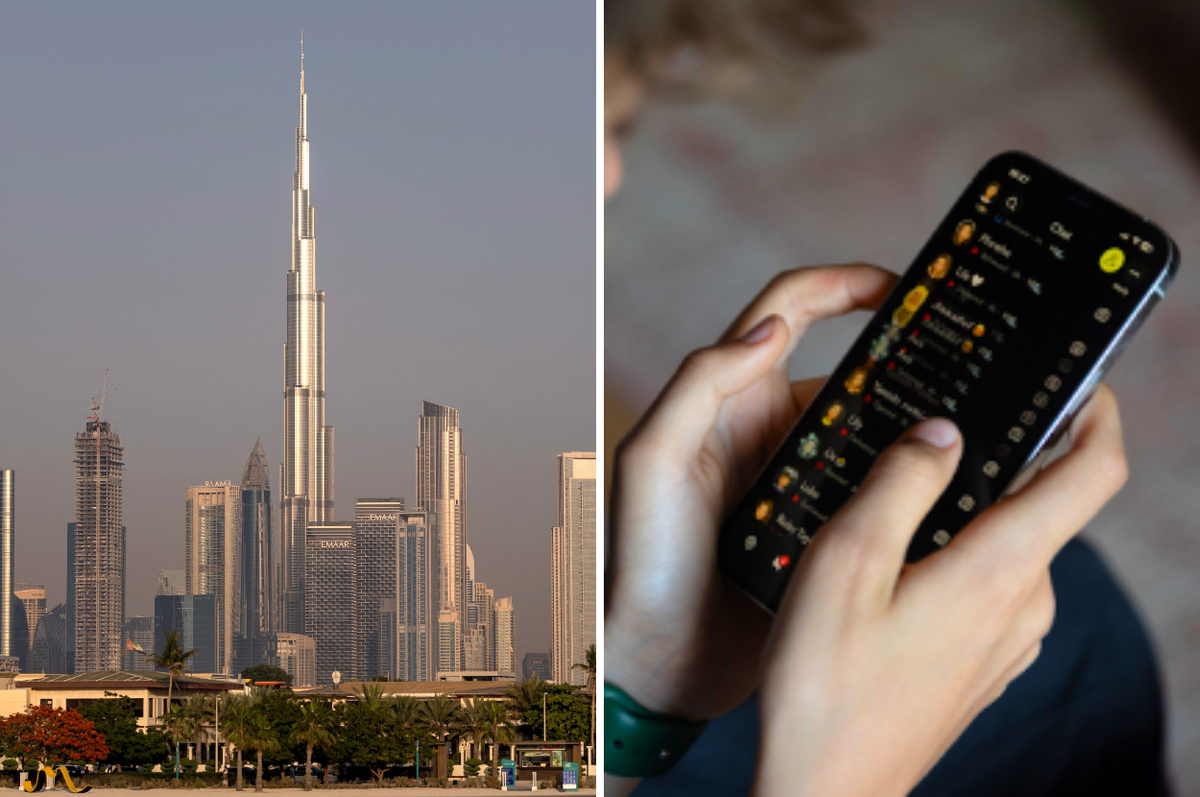
The UAE has become the first Arab country to ban children under 15 from using social media.
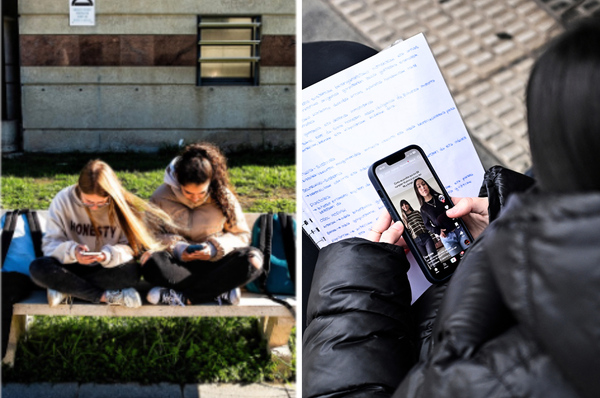
Under the new law, children under 15 are prohibited from creating or using personal accounts on social media platforms, even with parental permission.
Platforms will be required to verify users’ ages when they create their accounts and disable existing accounts of children under 15.
For children aged 15 to 16, platforms will be required to introduce usage time limits, controls on messaging and livestreaming, restrict contact with unknown users and stop aggressive algorithmic recommendations.
The ban applies to any platform operating in the UAE or targeting users there, regardless of whether the company has a physical presence in the country.
This means apps like TikTok, Snapchat, Instagram, Twitch and Roblox are all subject to the ban.
Platforms will also be prohibited from targeting children with personalized advertising.
Companies have up to 12 months to comply and will face penalties such as having their services suspended or blocked in the country if they fail to do so.
You Might Also Be Interested In
 Ikran Dahir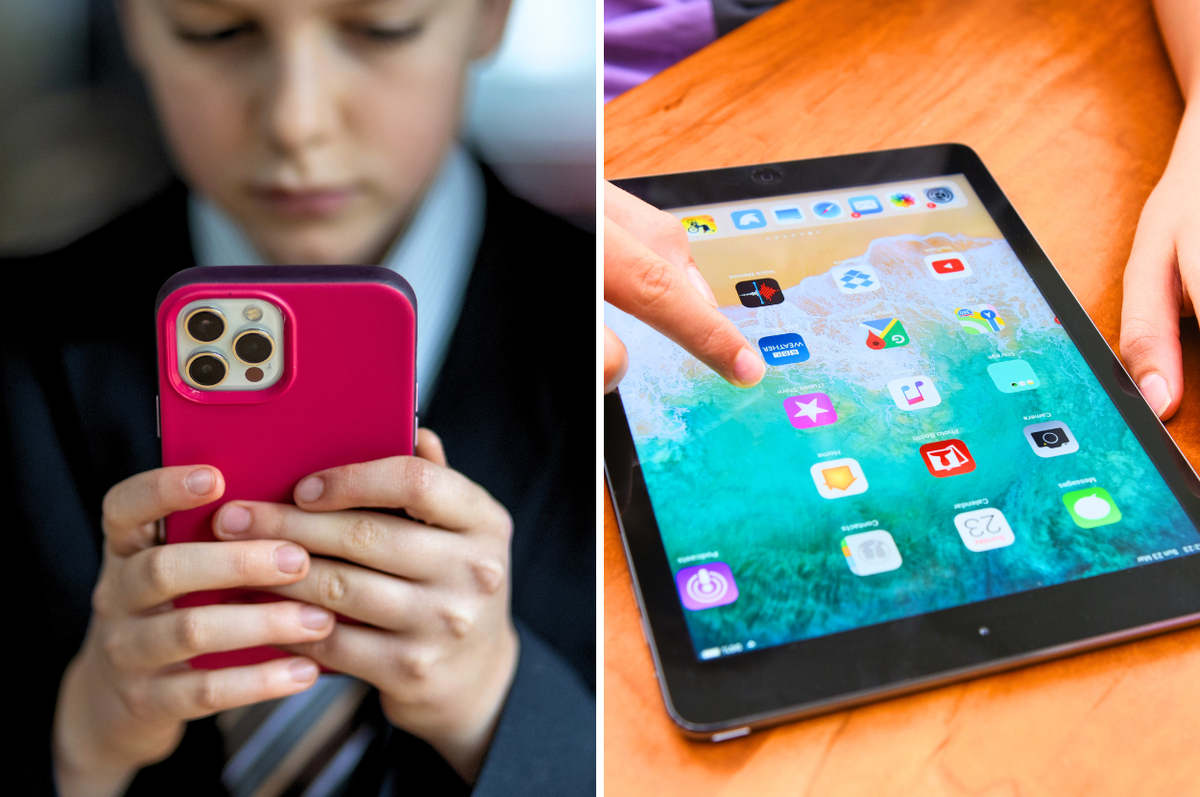
 Ikran Dahir
 Flavie Chen