
England and Wales Will Stop Punishing Women For Ending Their Pregnancies And Pardoned All Women Previously Convicted
This amendment wipe out convictions, cautions, and even police records linked to abortion cases in England and Wales that date back to the 19th century.


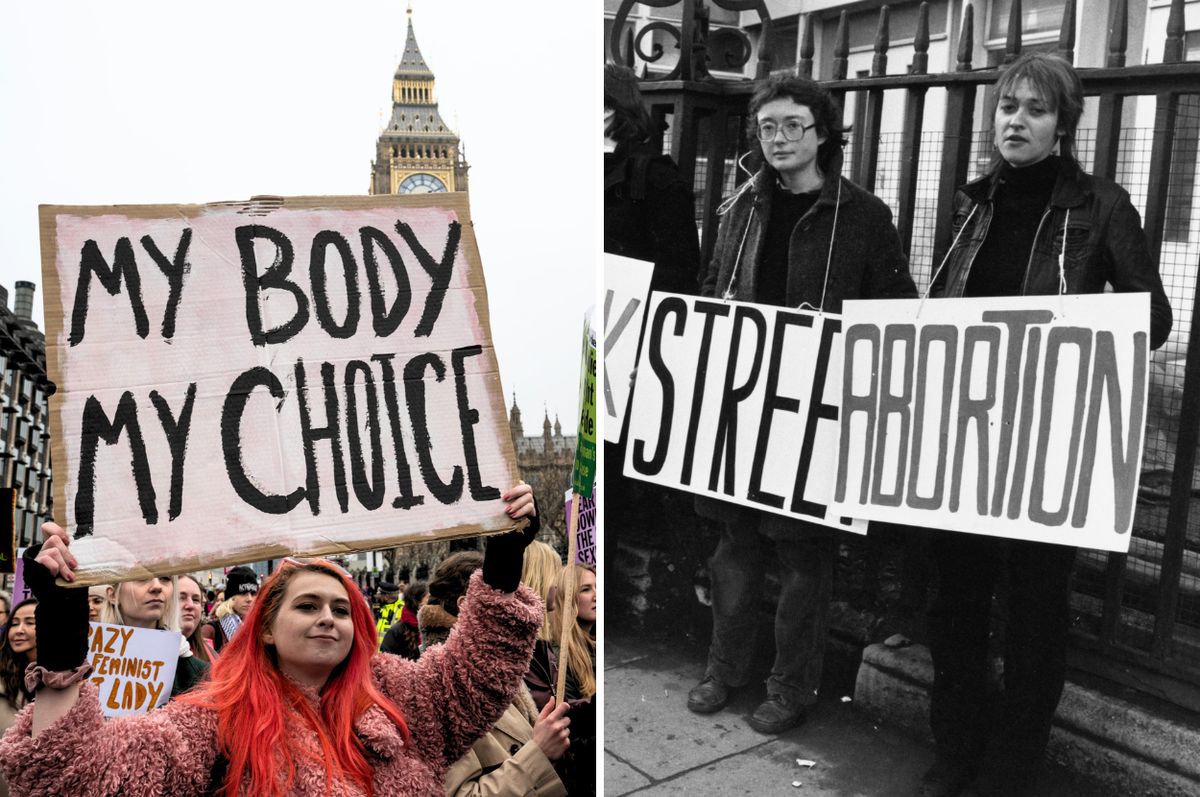
The UK parliament has voted to pardon all women in England and Wales who were ever convicted or investigated for having an illegal abortion after passing a landmark reform that will decriminalize abortion.
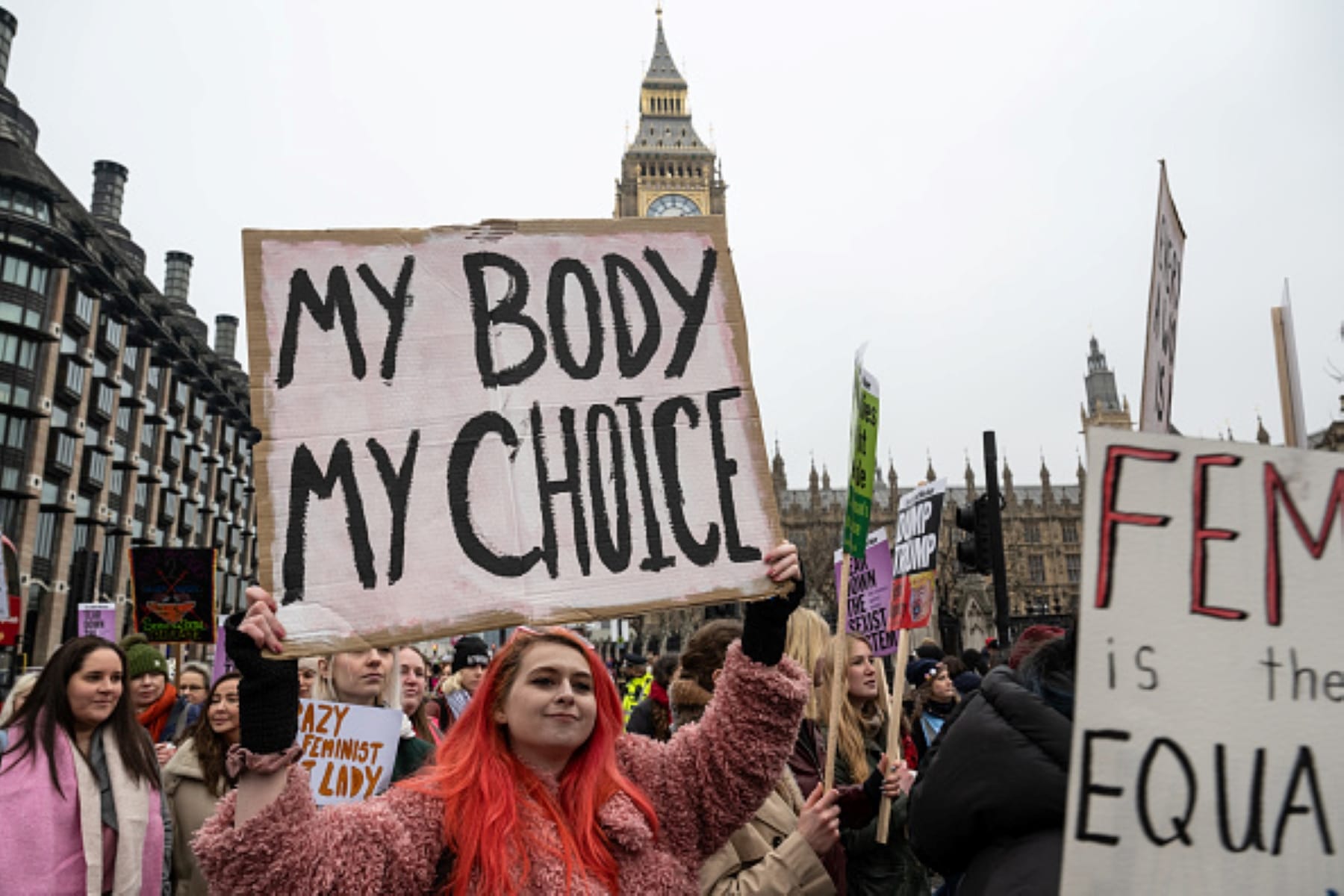
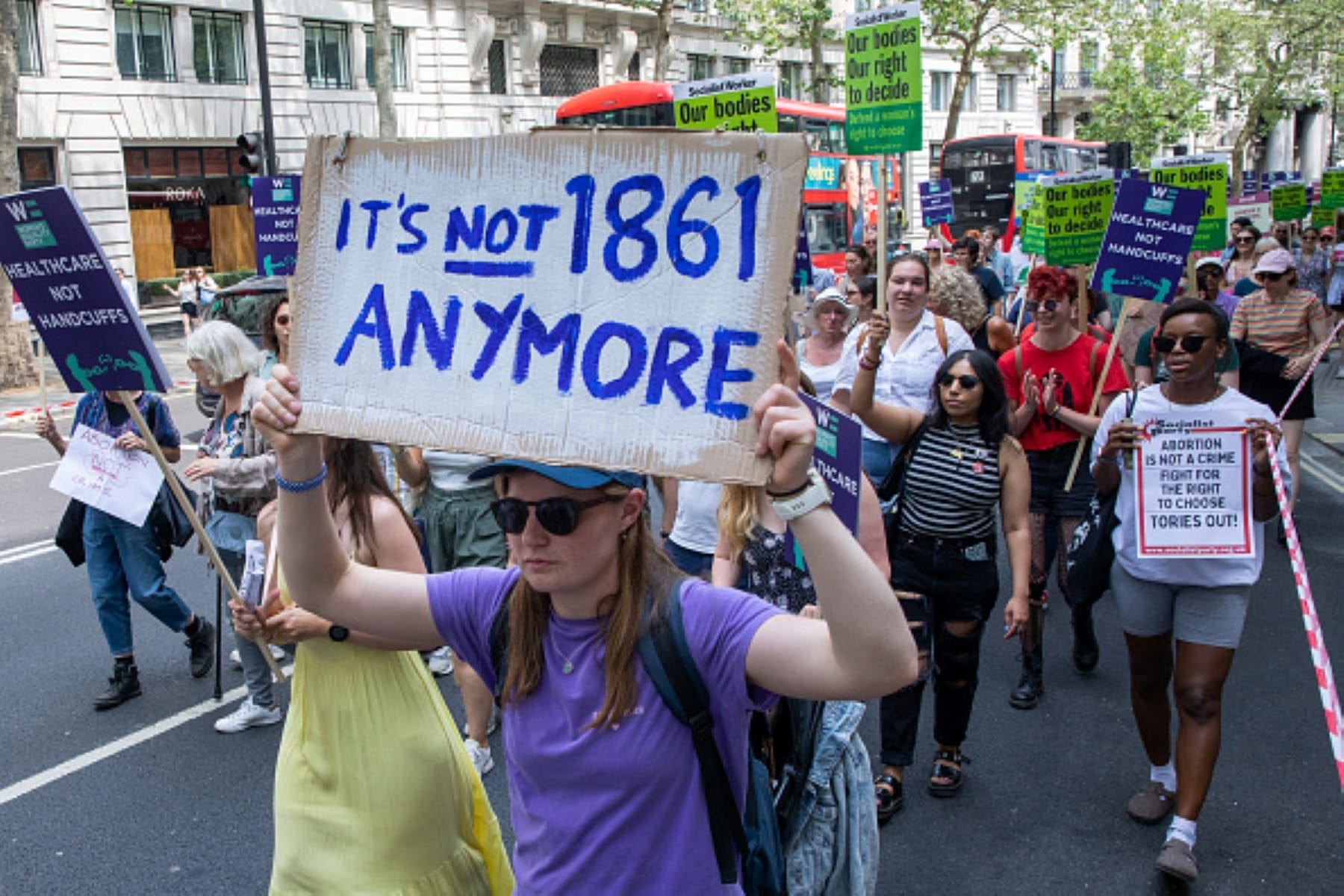
Since 1861, having an abortion has been a criminal offence in England and Wales, with women who end their own pregnancy facing up to life in prison.
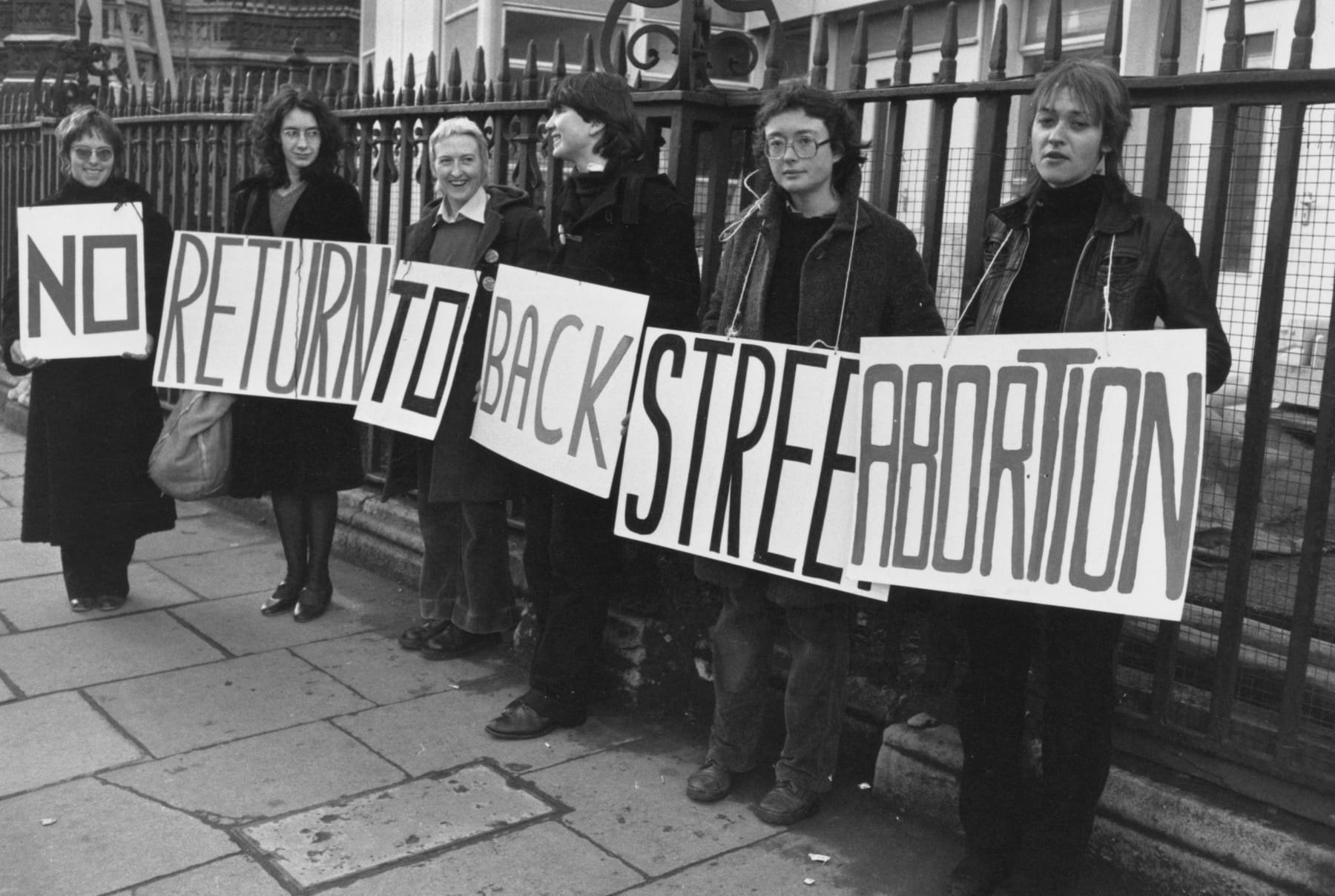
In 1967, the UK introduced the 1967 Abortion Act, which allowed abortions but under strict rules.
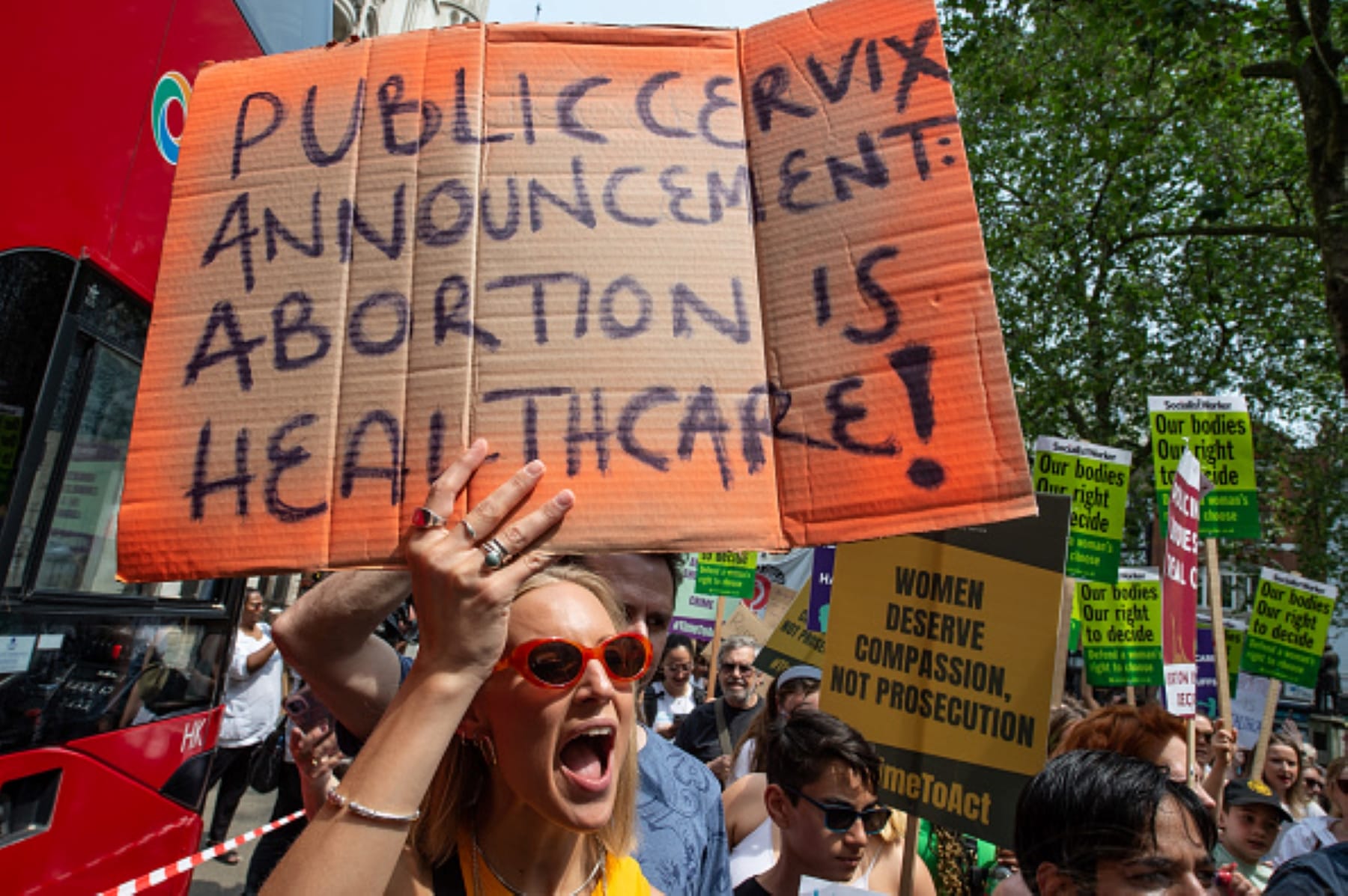
Under the law, abortion needs to be performed by a doctor, two doctors must separately agree, in good faith, that continuing the pregnancy would pose a greater risk o the woman or her existing children than ending it and limits access to within 24 weeks of pregnancy.
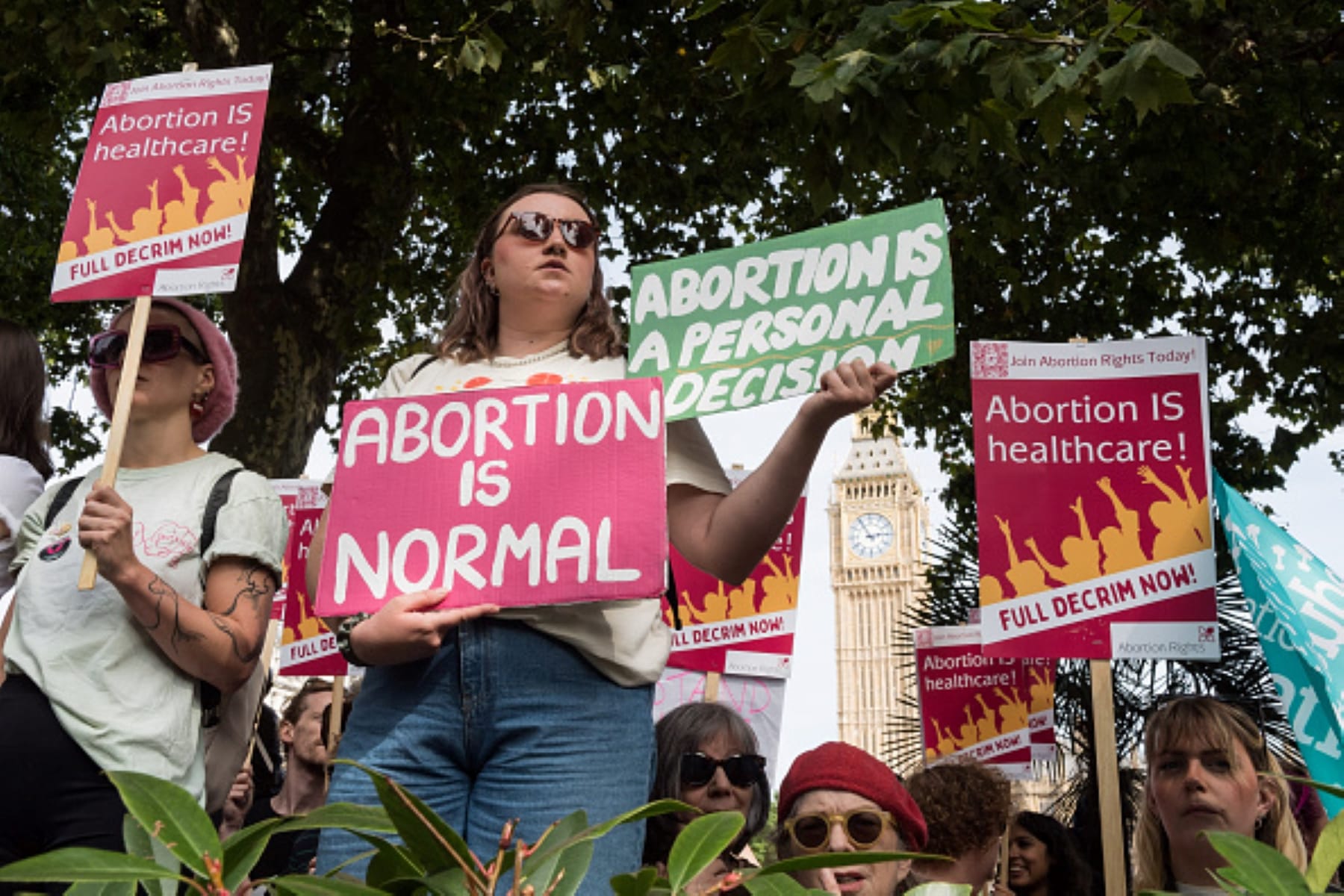
Since 2020, 100 women have been investigated over suspected illegal abortions; some cases involved miscarriages or stillbirths.

In 2023, a woman was jailed for taking abortion pills beyond the legal limit.
In 2025, following a rise in investigations and high-profile cases, lawmakers voted to decriminalise women ending their own pregnancies.
This removed the risk of women being investigated or prosecuted for ending their own pregnancies going forward.
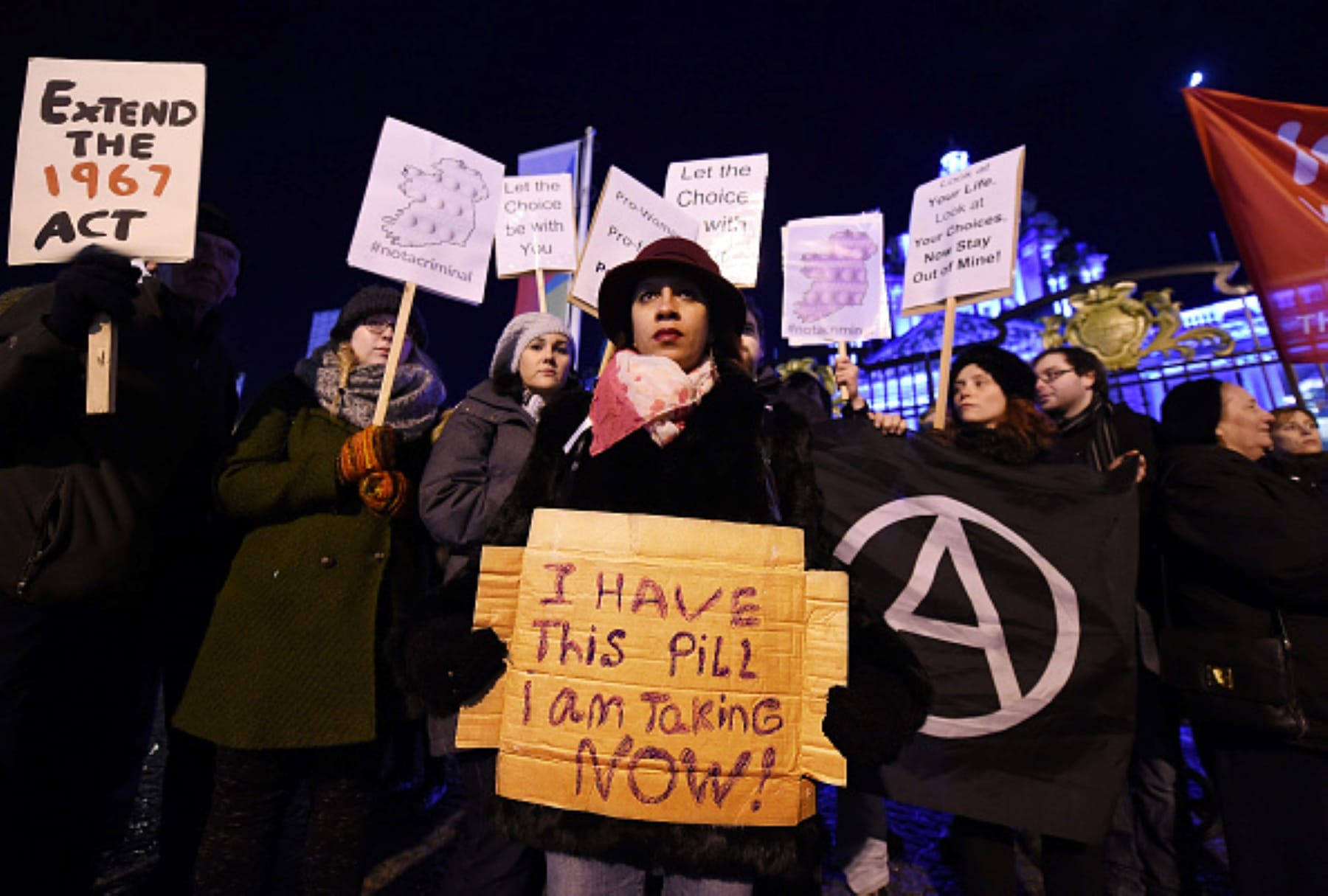
However, the law did not address women who had already been convicted or had records under the old law.
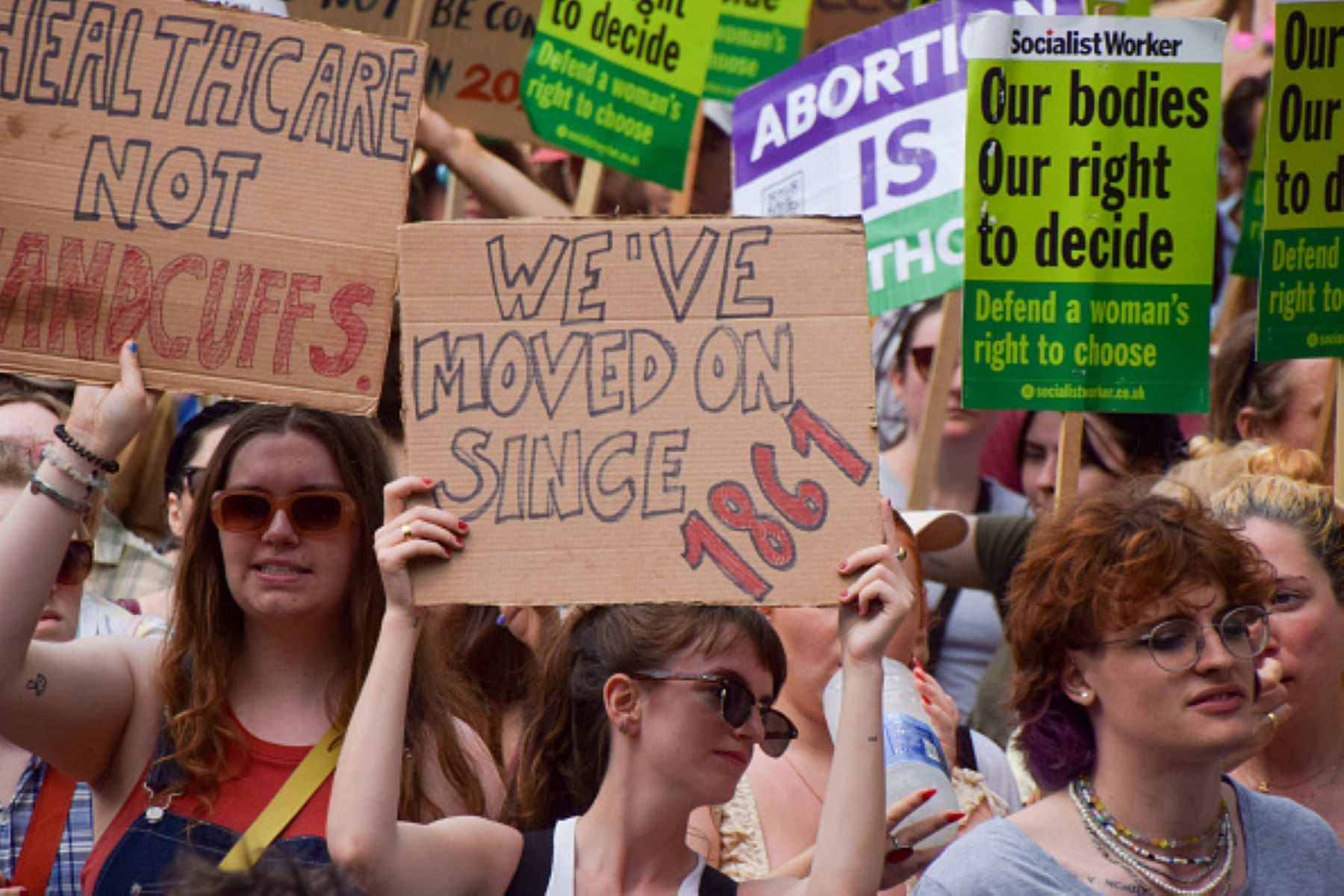
The parliament then passed an amendment on April 14 to pardon women who have police records or have been subjected to investigations and prosecutions for ending their own pregnancies.
This will wipe out convictions, cautions, and even police records linked to abortion cases in England and Wales that date back to the 19th century.
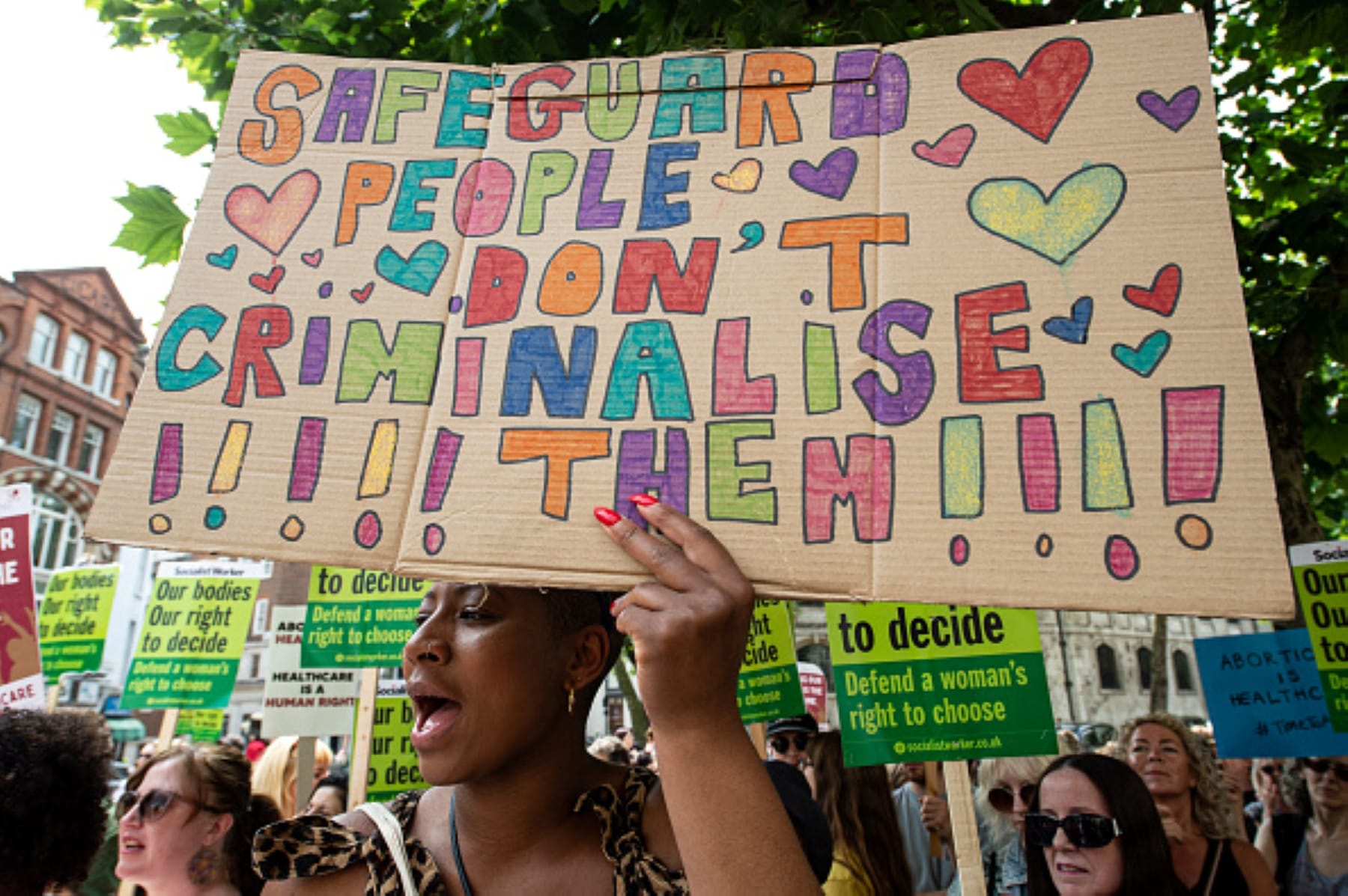
The legislation is expected to receive royal assent in the coming weeks, which is the final stage and will formally end the prosecution of women who terminate their own pregnancies outside the legal framework.
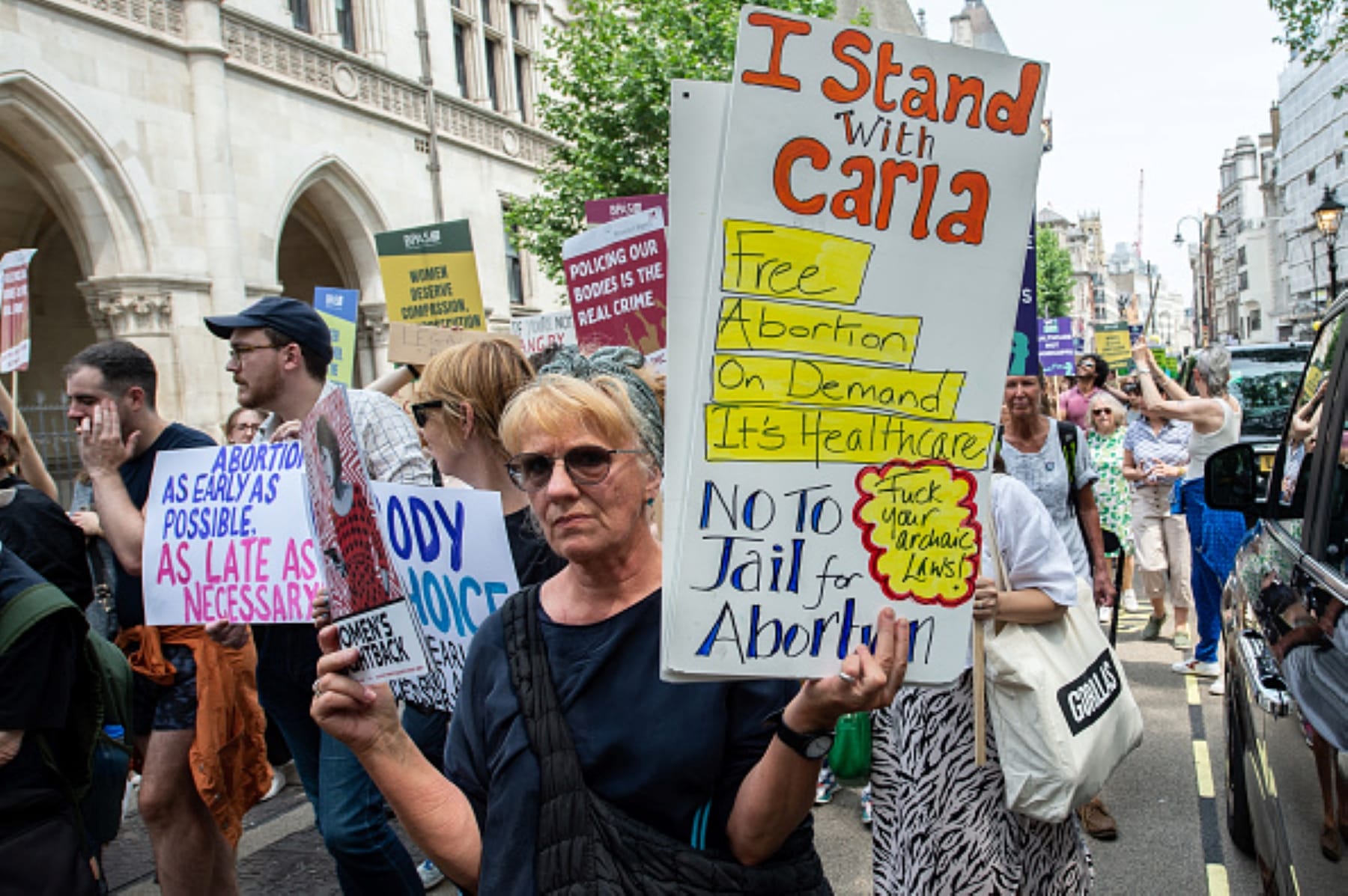
Abortions will still be regulated under the 1967 Abortion Act, but women who end their own pregnancies outside the 1967 Abortion Act framework will no longer be prosecuted.
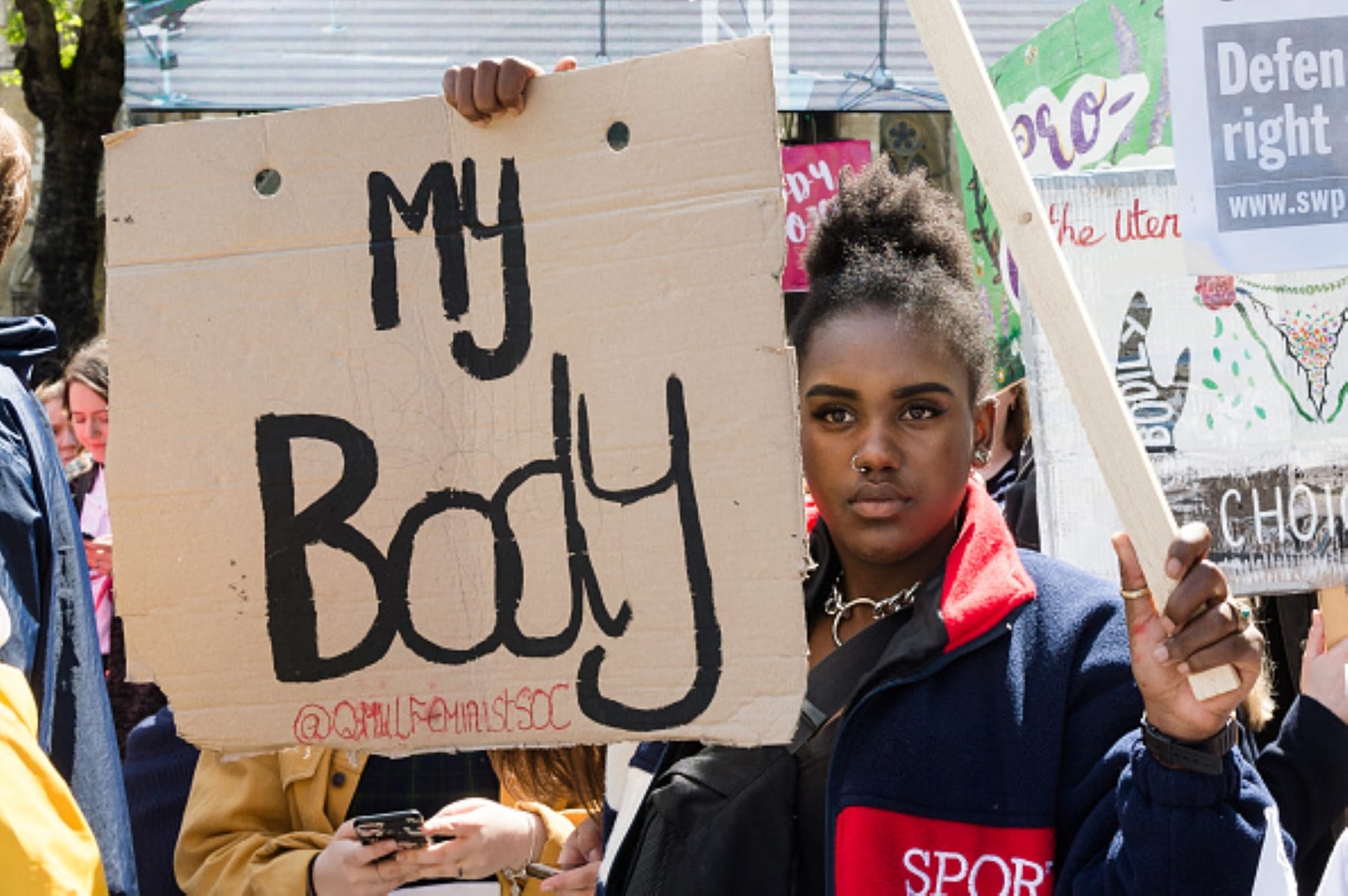
Lawmaker Tonia Antoniazzi, who introduced the key amendment, said this would help women move on from “outdated criminal law” that had left many facing long-term consequences.
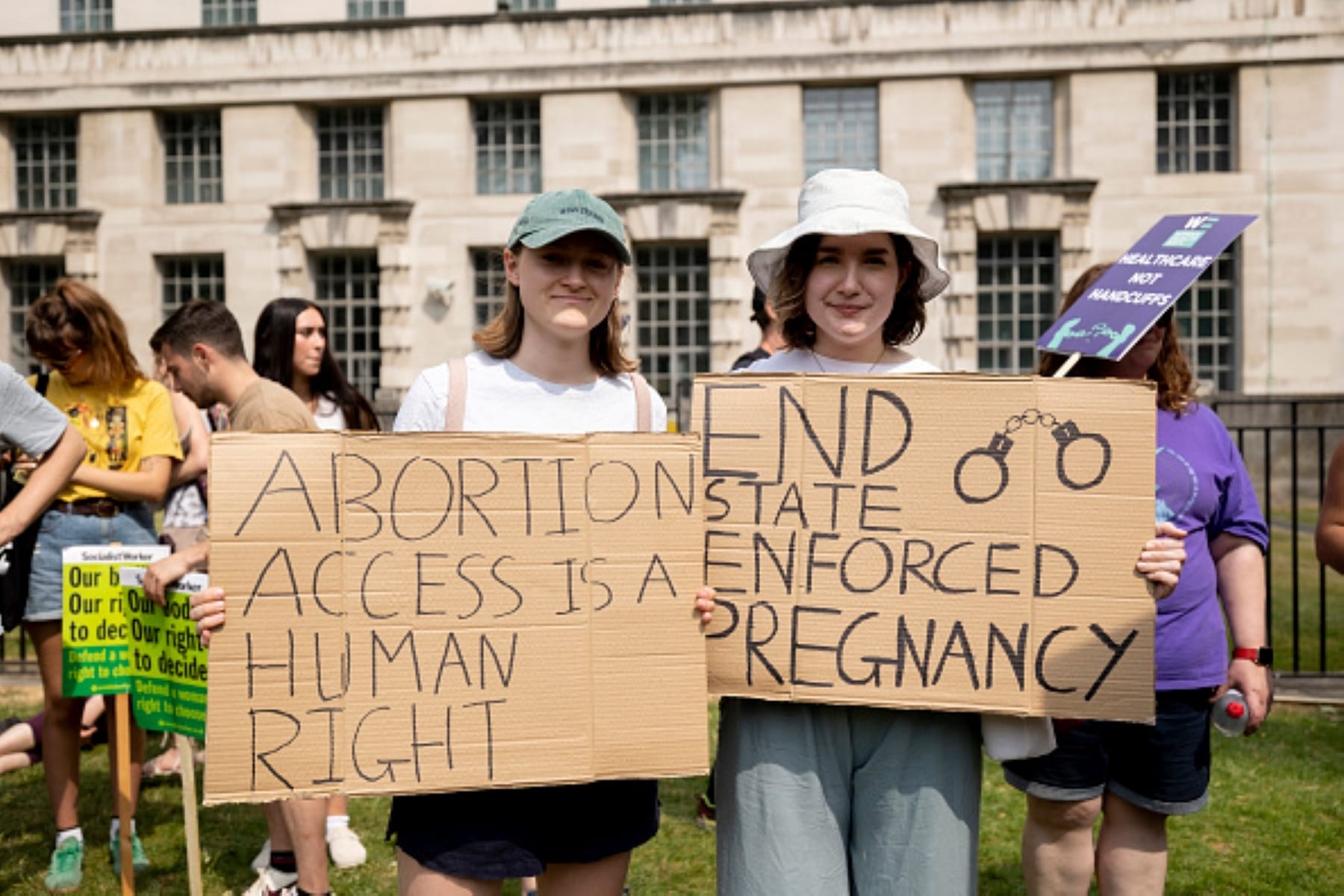
“Automatic pardons for convictions or cautions, and expunging the records of arrests and investigations, will enable these women to participate fully in society again, seeking the jobs and careers they’ve always wanted without having to repeatedly disclose and rehash their ordeal, travelling to places they wish to,” Antoniazzi told the Guardian.
You Might Also Be Interested In
 Kassy Cho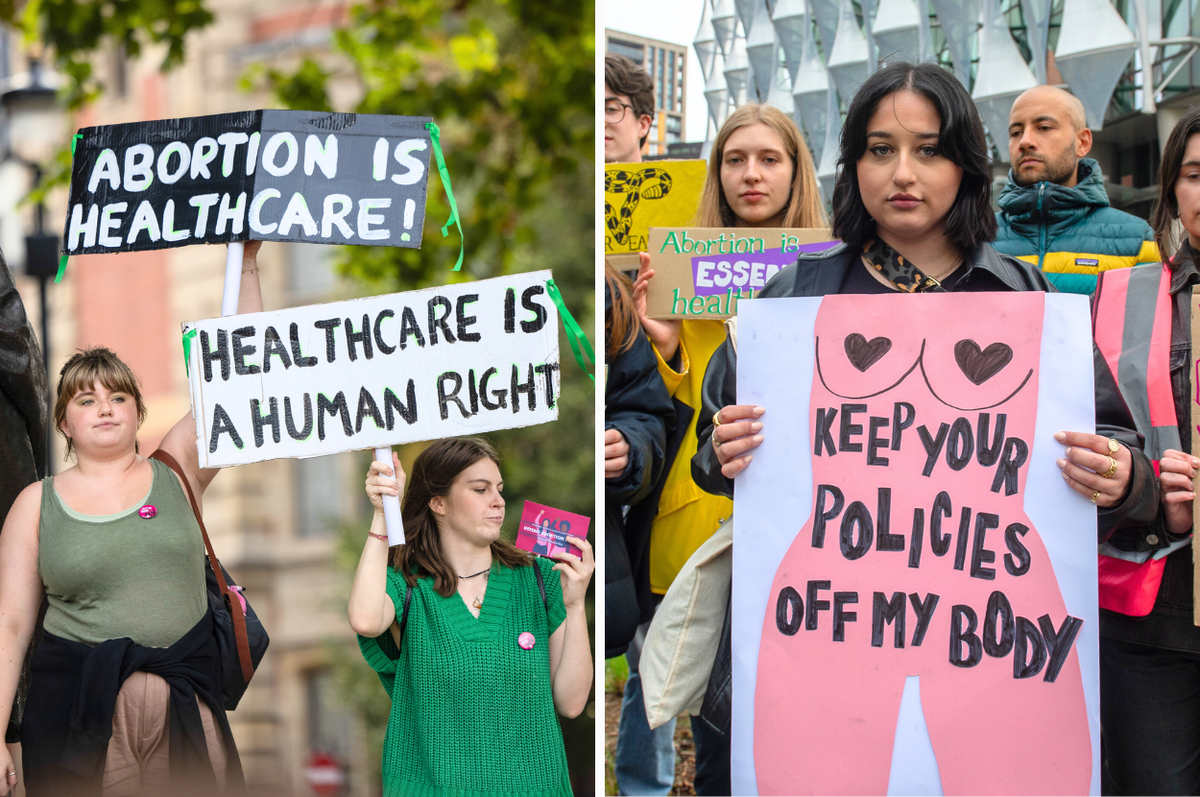
 Kassy Cho
 Kassy Cho