FIFA’s President Defended The US Blocking Officials And Fans From The World Cup, Telling People To “Chill, Relax”
Infantino said that “chill” does not mean “chill and do nothing,” but rather to trust FIFA’s behind-the-scenes work.

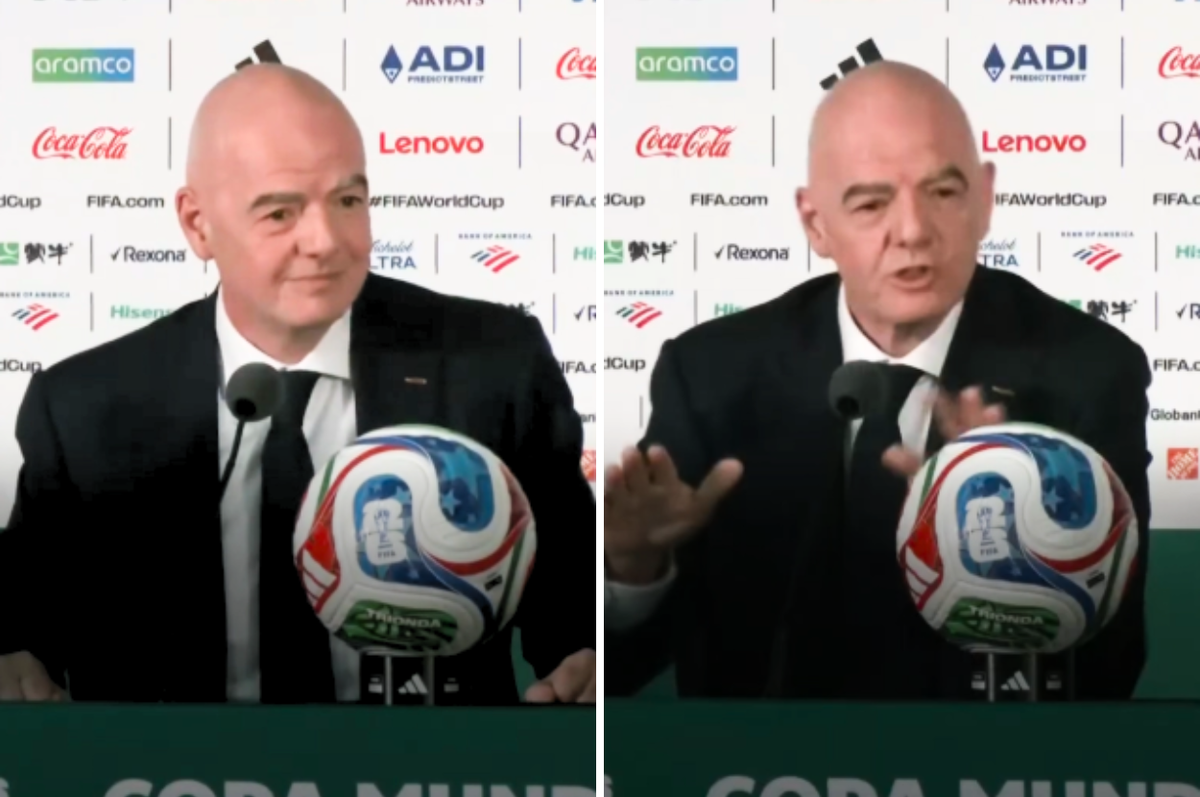
FIFA’s president Gianni Infantino has told people to “chill, relax” after mounting backlash around the organization’s handling of visa controversies ahead of the 2026 World Cup.
Speaking at a press conference in Mexico City on Wednesday, June 10, Infantino was asked about visa issues, ticket prices and concerns around the tournament, which is being hosted by the US, Mexico and Canada.
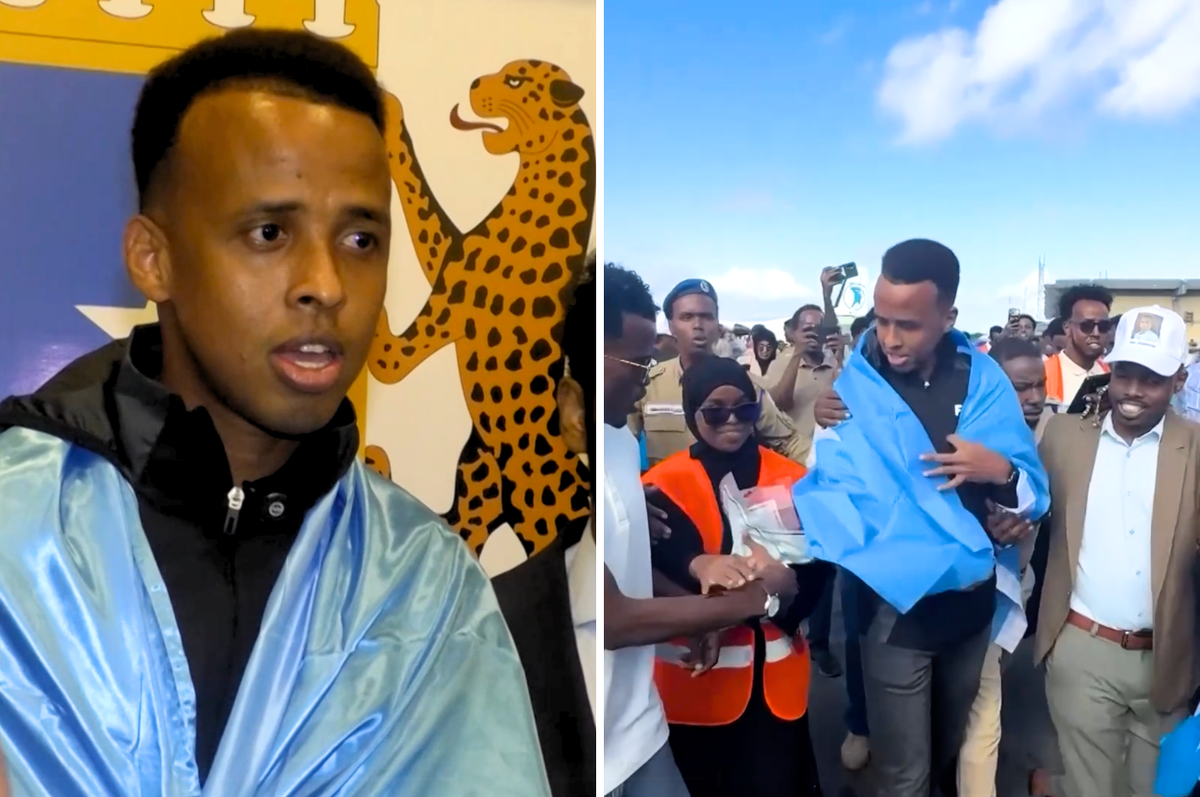
Reporters pressed Infantino about the US denying visa to Somali referee Omar Abdulkadir Artan, who was named Africa’s men’s referee of the year in 2025 and was set to become the first Somali referee to officiate at a men’s World Cup but was barred from entering the US.
FIFA later confirmed Artan would not be able to train or officiate at the tournament.
“It’s unfortunate what happened to Omar, the referee from Somalia. Again, we don’t control everything. We tried to discuss,” Infantino said. “Sometimes it’s good as well just to chill, relax.”
Infantino said that “chill” does not mean “chill and do nothing,” but rather to trust FIFA’s behind-the-scenes work.
The 56-year-old added that FIFA is “not the kings of the world” and cannot decide who governments allow into their countries.
At least 15 Iranian officials and team staff had also been denied visas, according to the Guardian.
Iran’s head coach Amir Ghalenoei said, “We are upset about this behavior.”
Iraqi striker Aymen Hussein was also reportedly held and questioned for almost seven hours at Chicago’s O’Hare airport before being allowed in.
More than 120 civil society groups, including Amnesty, have issued a travel advisory, warning that visitors heading to the US for the World Cup could face denial of entry, device searches, racial profiling, detention or deportation.
Infantino also defended high ticket prices, saying cheaper tickets would end up being resold at higher prices.
He said FIFA’s revenue helps fund football development around the world, including in smaller and poorer football nations.
 Sofia Hou