
Italy Is Investigating Sephora And Benefit For Allegedly Promoting Adult Skincare Products To Children
Companies may have been using “very young micro-influencers” to promote products to a “particularly vulnerable group.”

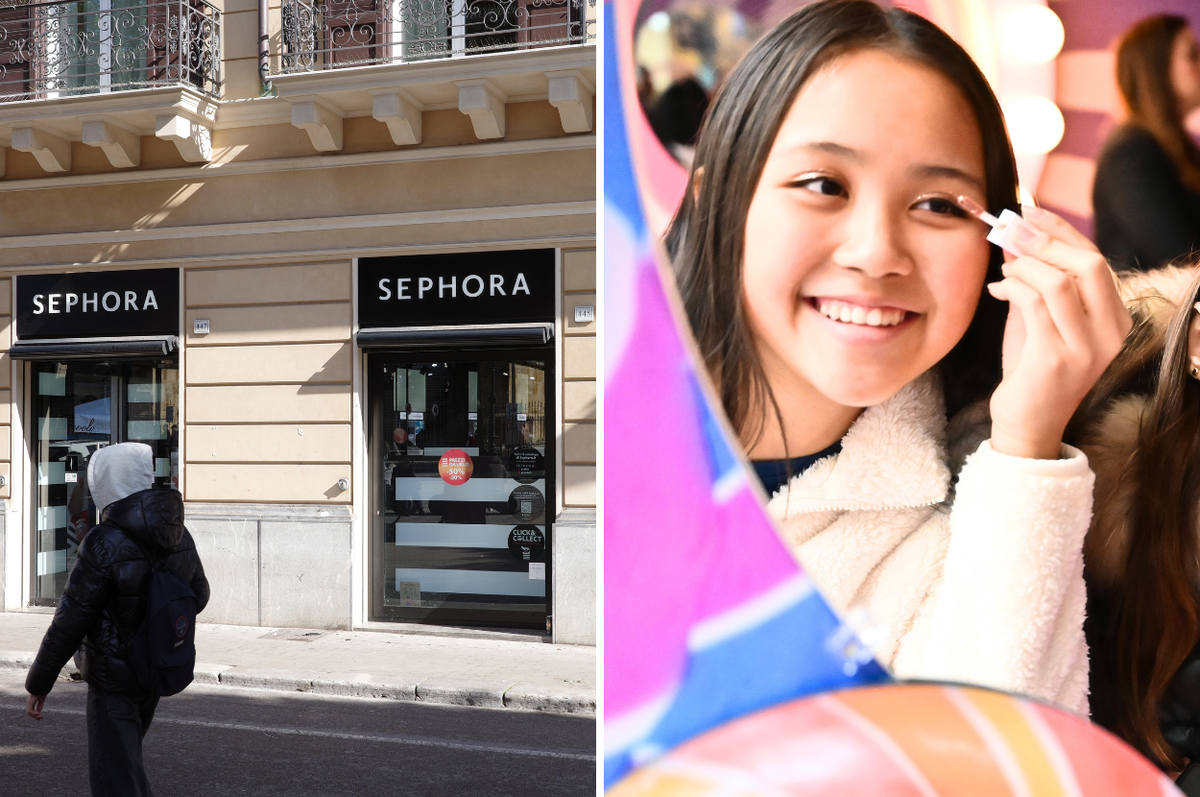
Italy is investigating major beauty brands over claims they use children as young as 10 to promote anti-ageing skincare products to young girls.

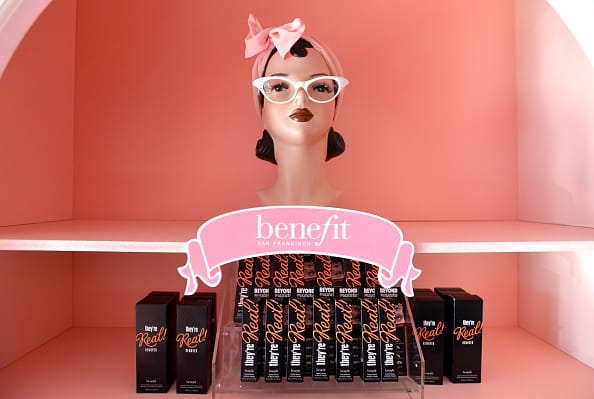
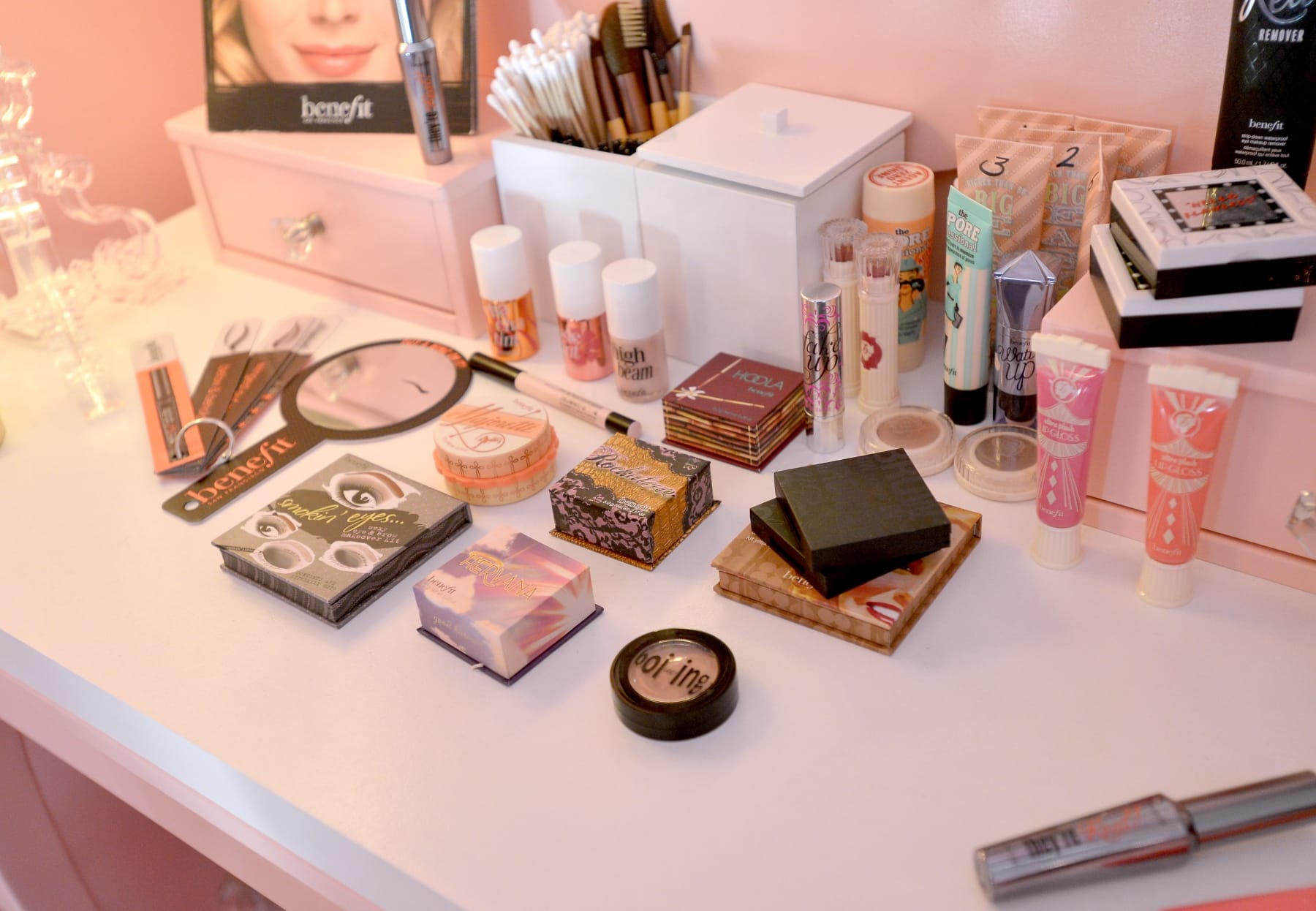
The Italian Competition Authority (AGCM) is accusing Benefit and Sephora, both owned by French luxury‑goods giant Louis Vuitton Moët Hennessy (LVMH), of allegdley using “particularly insidious” or “deceptive” marketing tactics to promote adult skincare products, including face masks, serums and anti-aging creams to target girls under the age of 10.
“These practices are linked to the broader issue of ‘cosmeticorexia’ – an obsession with skincare among minors,” AGCM said in a statement.
They said that companies may have been encouraging “the compulsive purchase” of products among children, while using “very young micro-influencers” to promote them to a “particularly vulnerable group.”

The regulator warned that “the frequent and combined use of a wide range of cosmetics by minors, without proper awareness, may be harmful to their health.”
Both Sephora and Benefit have said it is cooperating with authorities and “reaffirmtheir strict compliance with applicable Italian regulations.”
The authority officially began the investigation into Sephora and Benefit on March 27 and is focusing on what has been dubbed by other countries similarly affected by the craze as “Sephora kids”.
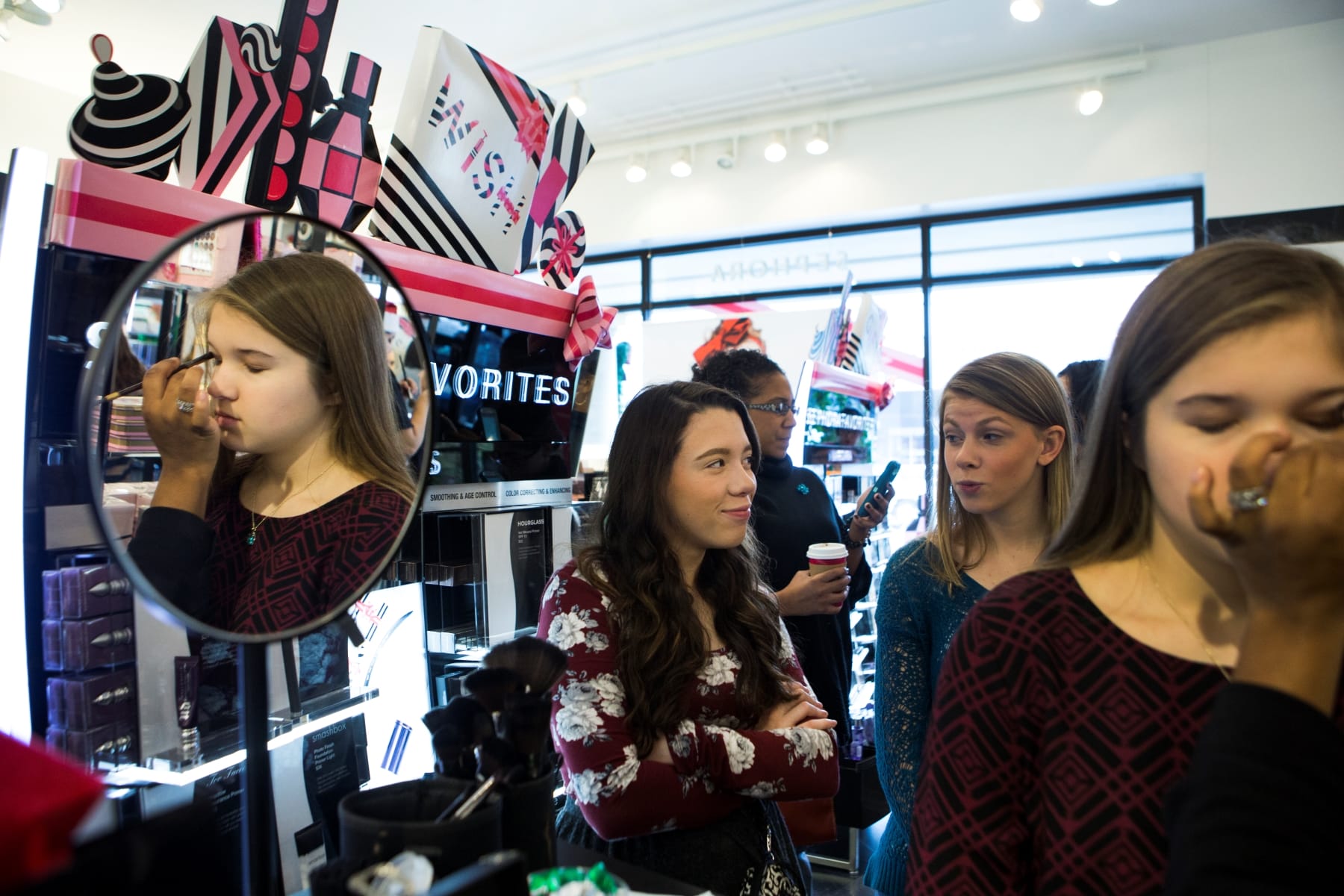
Children as young as 8 have been going to department stores in droves and reportedly used products that contain ingredients that are not designed for kids, such as anti-aging products.
This has been an ongoing issue all over the world.
For instance, in the UK, the Advertising Standards Authority banned influencer advertisements that mislead children or fail to clearly disclose paid promotions.
France passed one of Europe’s strictest influencer laws in 2023, requiring creators to disclose edited images.

Similarly, in the US, the Federal Trade Commission requires influencers to label advertisements, and dermatologists have warned against children using adult skincare products.
At the EU level, the Digital Services Act has introduced restrictions on targeted advertising to minors, increasing scrutiny on how platforms and brands reach younger users online.
You Might Also Be Interested In
 Kassy Cho