Japan’s Youngest Woman Mayor Will Also Become The First Elected Woman Official To Take Maternity Leave
Kawata hopes that her decision will encourage workers, business owners and managers to embrace “child-rearing and childbirth”.

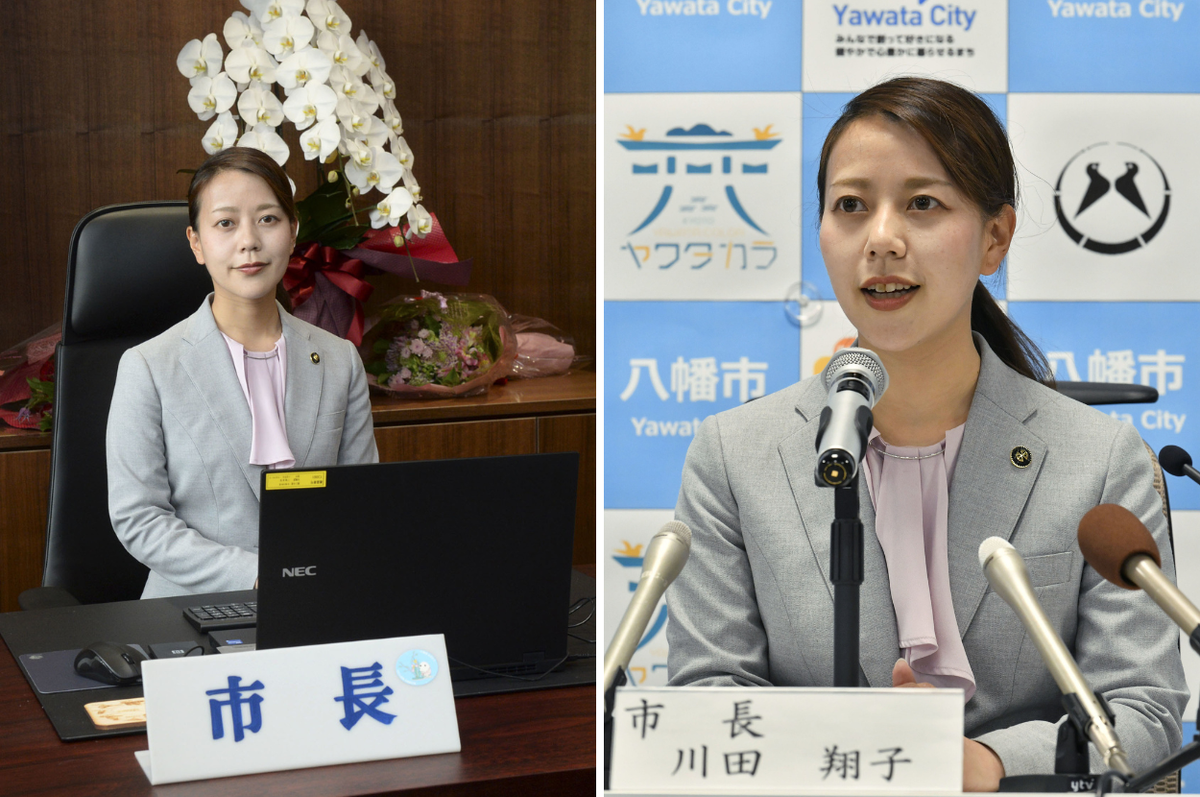
Japan’s youngest woman mayor Kawata Shoto is making history once again by becoming the first elected woman official in the country to take maternity leave, sparking a nationwide debate about women in public office.
At the age of 33, Kawata was elected the mayor of Yawata city in Kyoto Prefecture in 2023, becoming the country’s youngest woman mayor at the time.
She got married in December 2025, and her first child is due in September 2026.
On May 21, Kawata announced she is planning to take eight weeks off before and after she gives birth in mid-September, taking a total of 16-weeks and becoming the first Japanese mayor doing so, according to the Japan Association of City Mayors.
Japan's Labor Standards Law gives pregnant workers the right to take time off around childbirth, but mayors are classed as "special public officials," not ordinary employees, so that protection does not apply to them.
Kawata said she will not officially take leave, but instead, she will appoint an acting mayor during her leave, promising to maintain close communication and attend important meetings online, Kawata told local media.
Her announcement has caused a nationwide debate in the conservative country, with some people arguing she should have gotten pregnant before taking office, while others said her salary should be cut during her leave.
Kawata has pushed back, telling CNN she hopes that her decision will encourage workers, business owners and managers to embrace “child-rearing and childbirth” and allow them to strike “a proper balance with work.”
Women remain significantly underrepresented in Japanese politics, with only 4% of women holding positions as municipal leaders in 2025 and only 15% of seats in Japan's House of Representatives held by women.
The country also ranks the lowest out of G7 countries in the World Economic Forum’s latest Global Gender Gap Index, at 118th out of 146 countries.
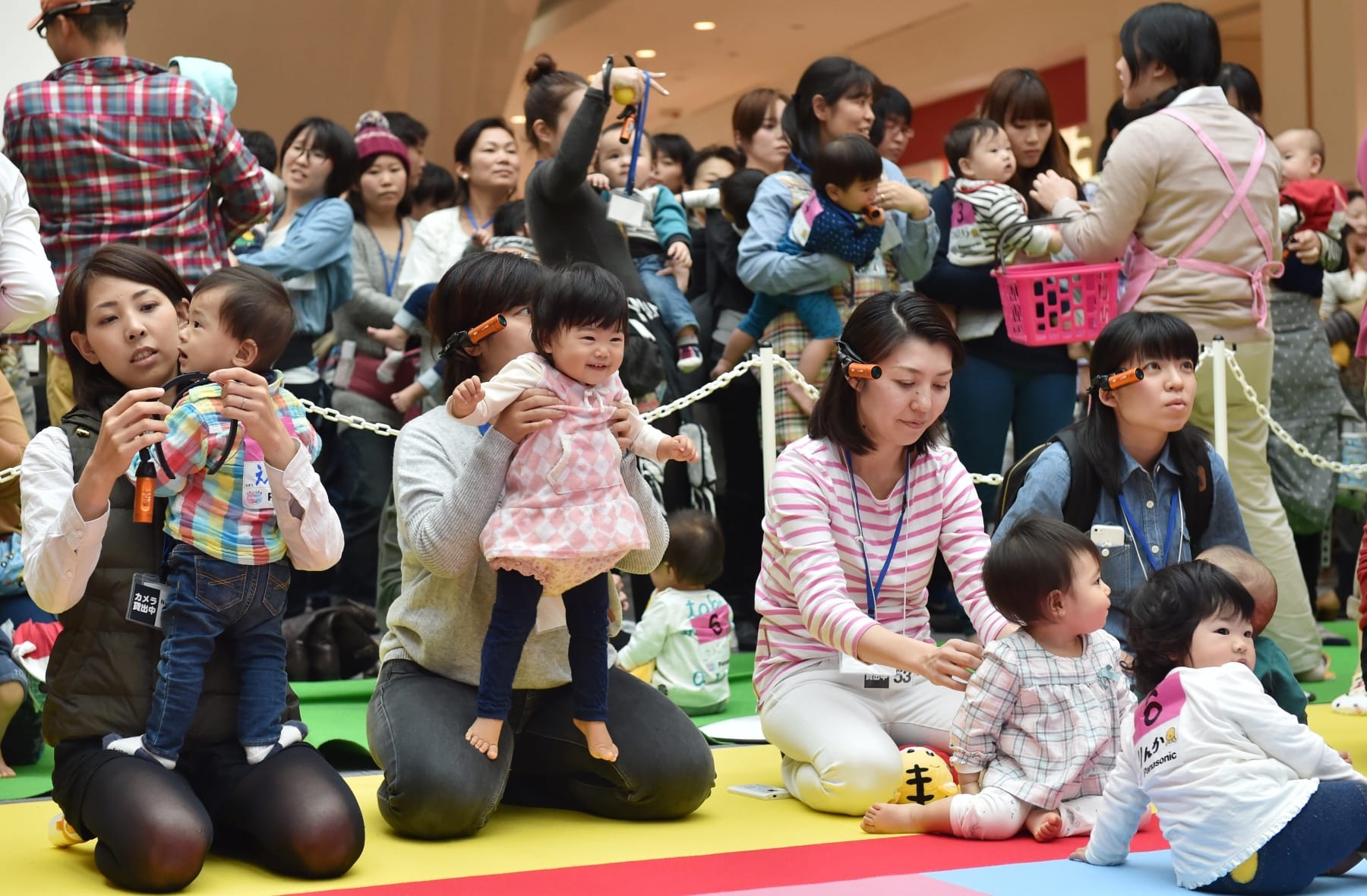
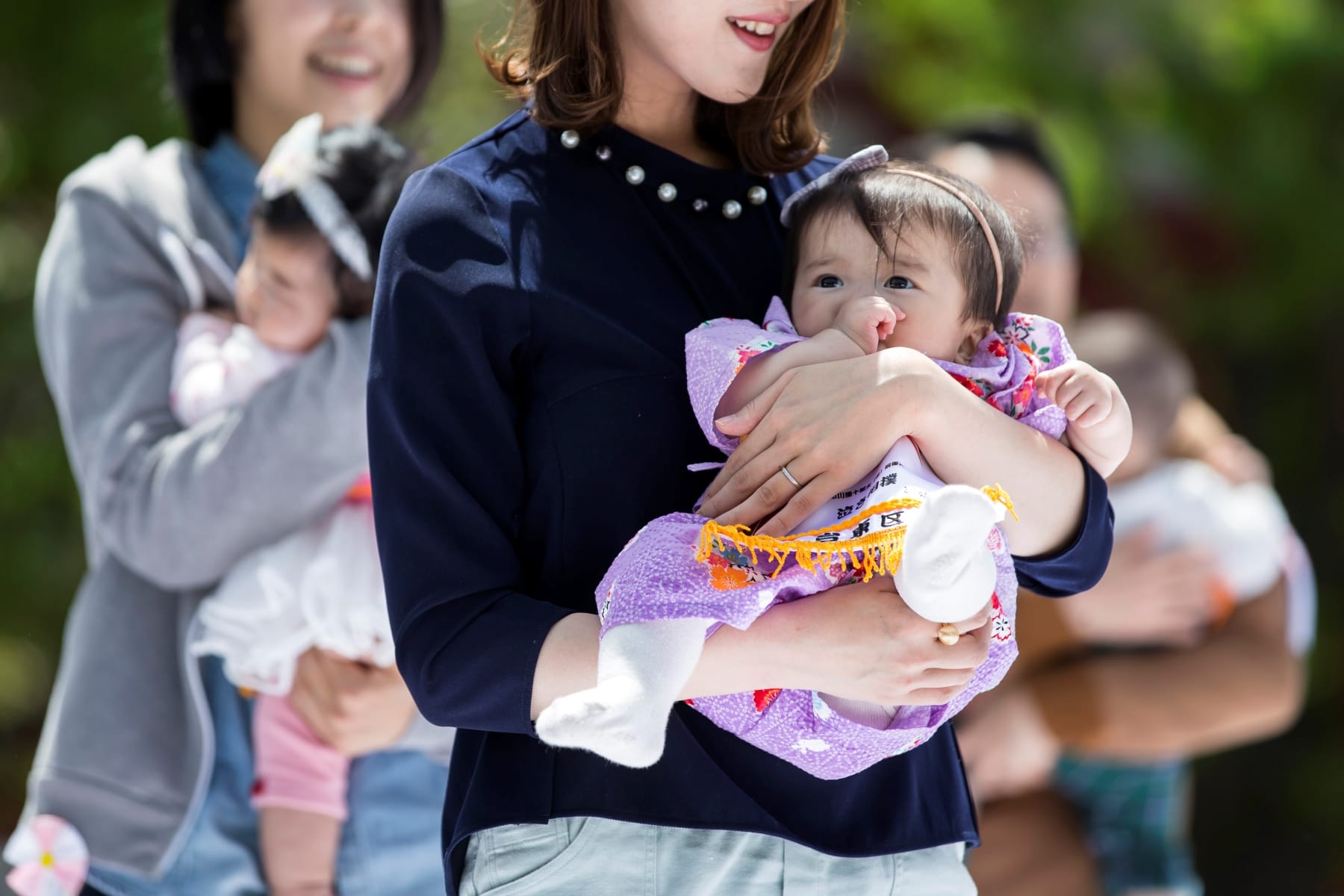
The debate comes as Japan records its lowest ever number of births, with the government calling it a “quiet emergency and a vital issue.”
More On Japan
 Kassy Cho
 Sofia Hou
 Flavie Chen