Liechtenstein Will Allow Women To Inherit The Throne For The First Time
Under the new rules, the monarch’s firstborn child will become heir regardless of gender, replacing a system that prioritized male descendants.
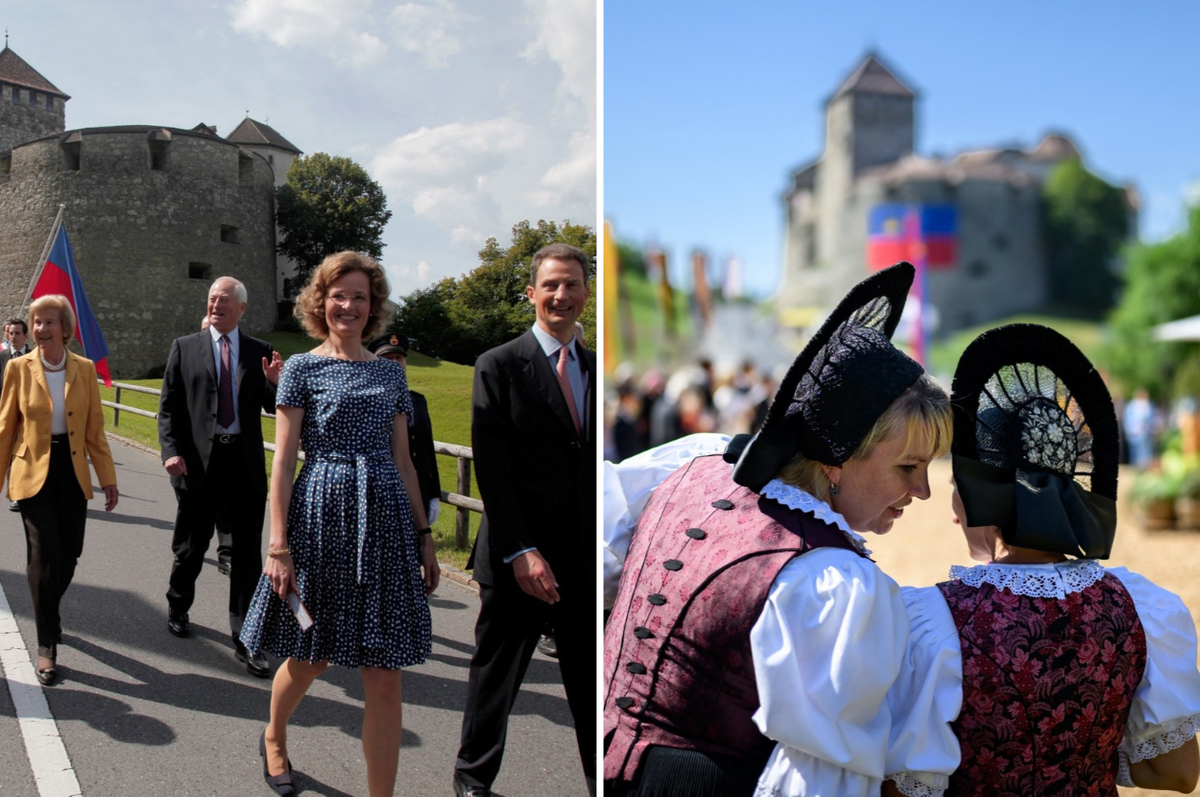
Liechtenstein has changed its royal succession rules to allow women to inherit the throne for the first time, ending centuries of male-preference succession.
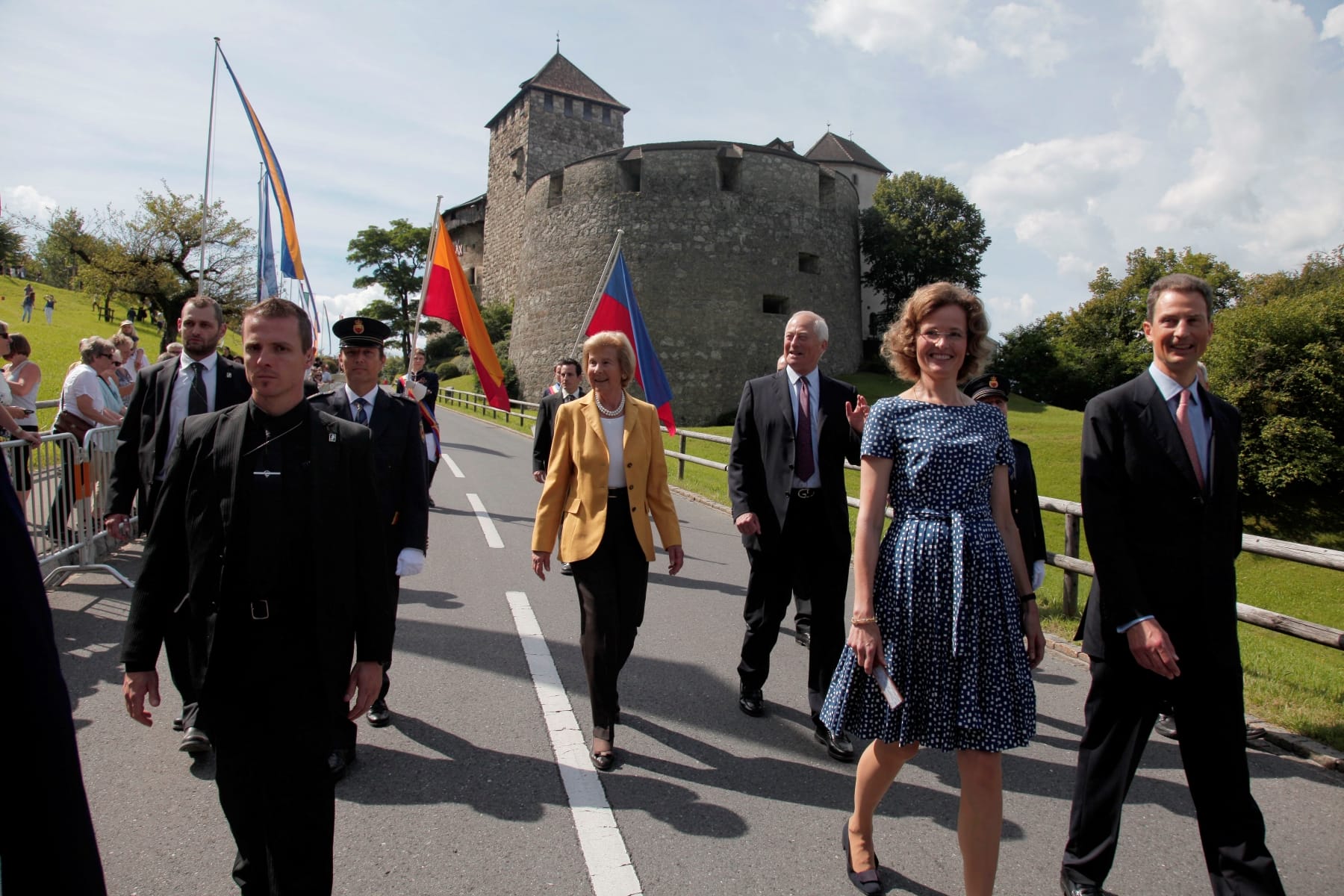
Liechtenstein’s monarchy has significantly more political power than many other European royal families.
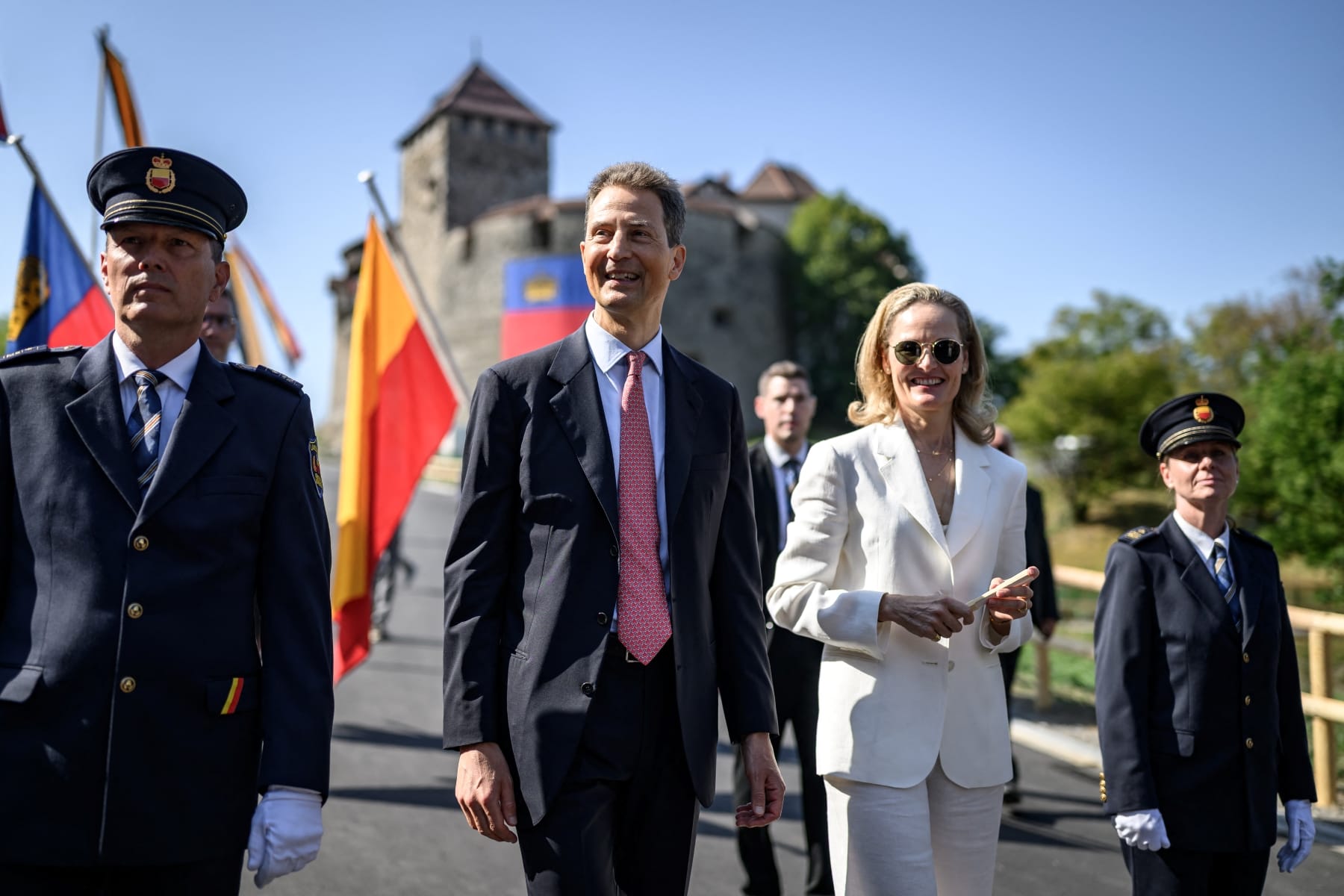
The reigning prince can veto referendum results, appoint judges and dismiss the government.
Under the new rules, the monarch’s firstborn child will become heir regardless of gender, replacing a system that prioritized male descendants, according to Hereditary Prince Alois’ official speech.
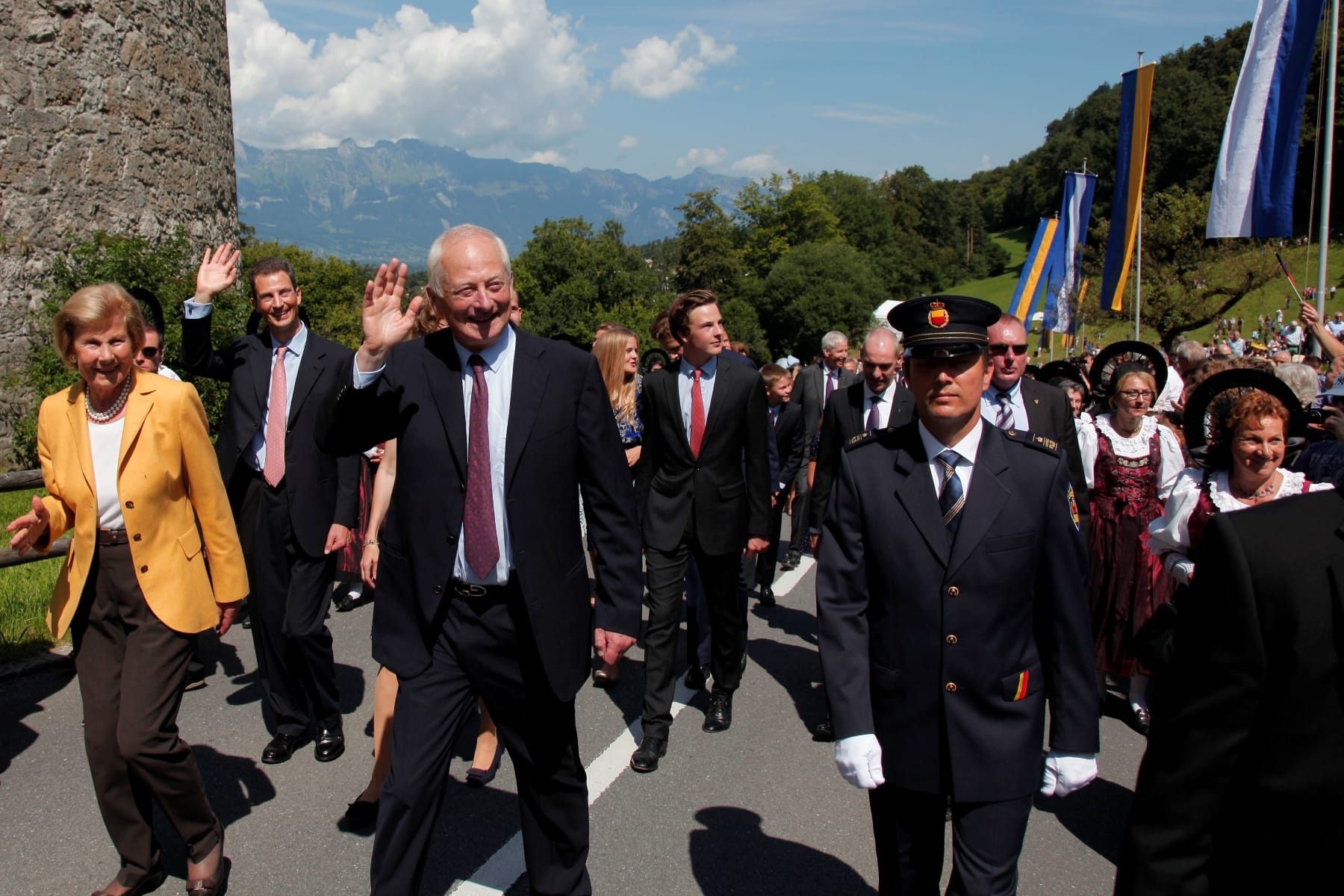
The change was approved by a two-thirds majority of eligible members of Liechtenstein’s princely family on Aug. 12 after decades of discussion within the family.
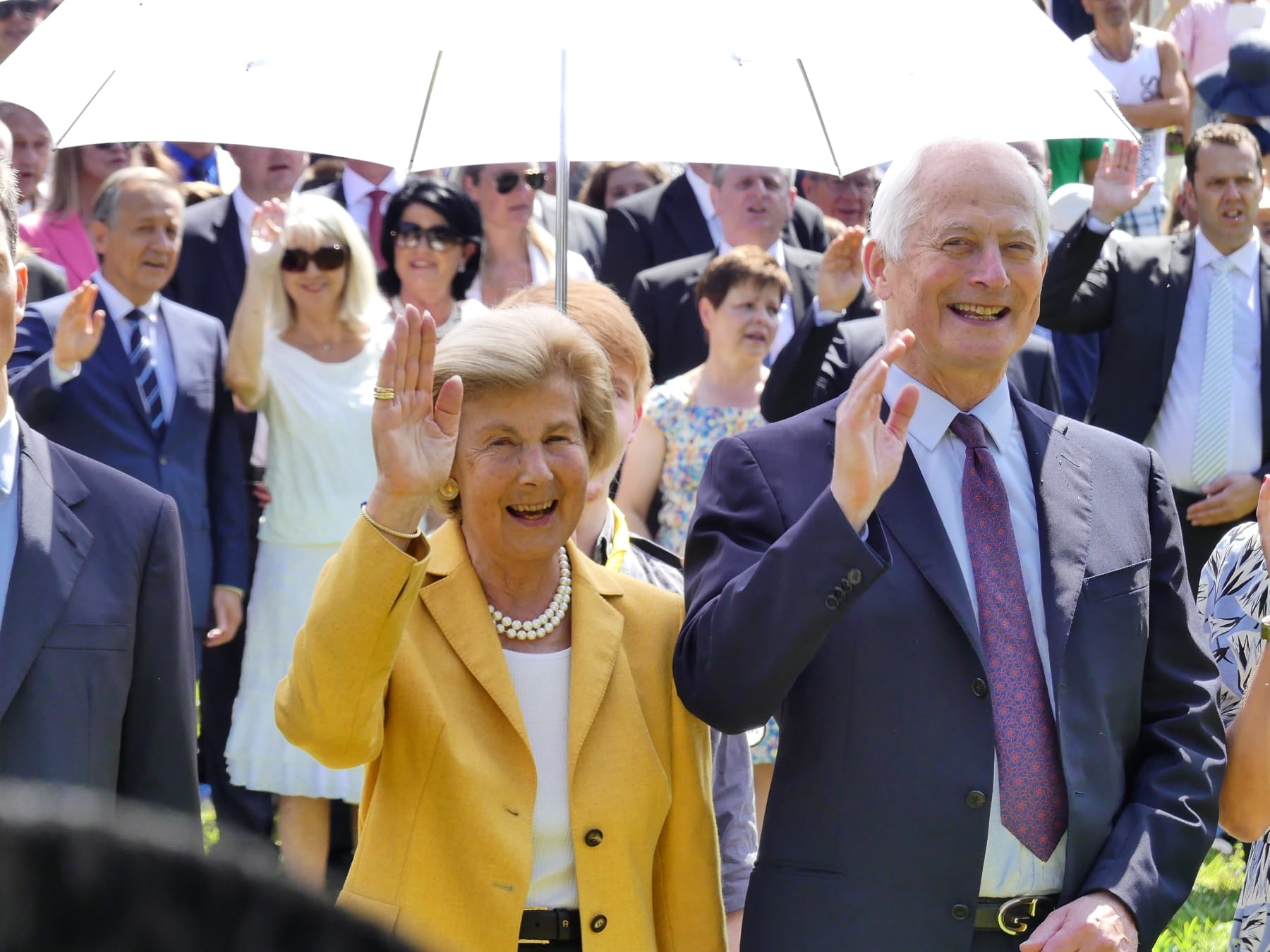
Alois announced the change on Saturday, Aug. 15, during the country’s National Day celebrations.

However, it will not change the current line of succession.
The new rules apply only to future descendants of Alois and Hereditary Princess Sophie’s children, meaning their eldest son, 31-year-old Prince Joseph Wenzel, remains next in line after his father, according to AP.
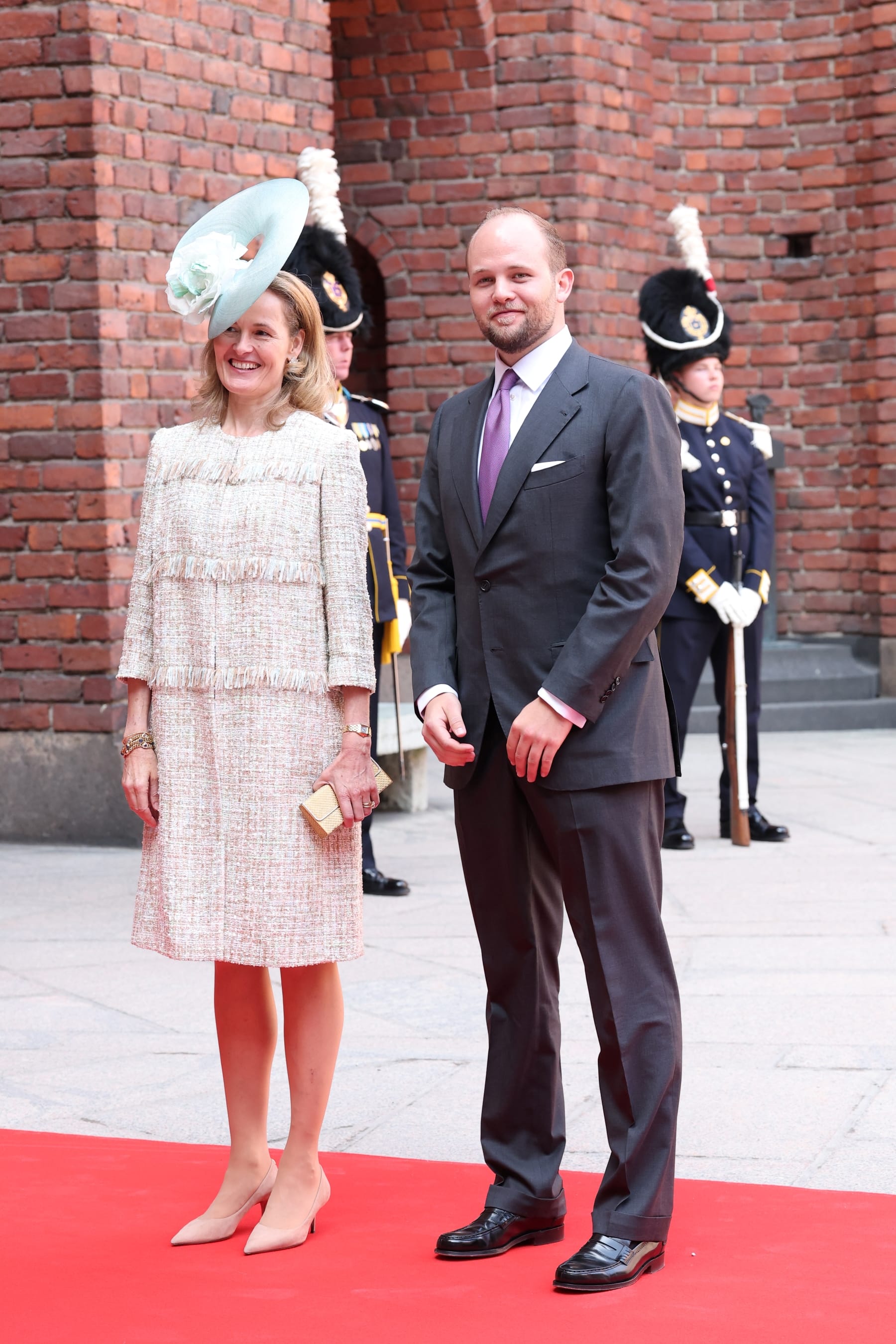
If Joseph Wenzel’s first child is a girl, she could now eventually inherit the throne instead of being passed over for a younger brother.
Prince Hans-Adam II remains Liechtenstein’s head of state, although he handed most of his powers to Alois in 2004.
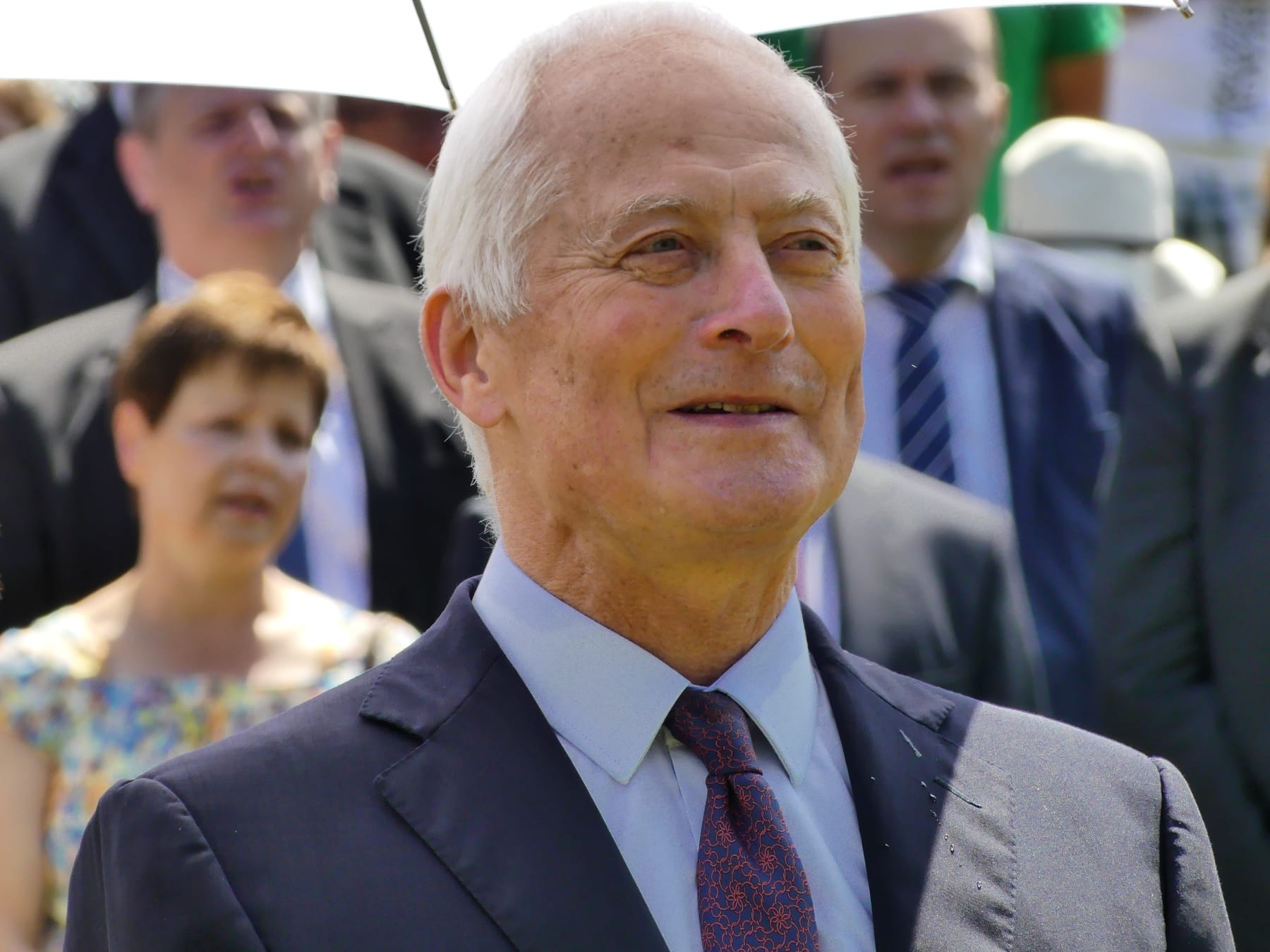
The country is one of the last European monarchies to adopt gender-equal succession.
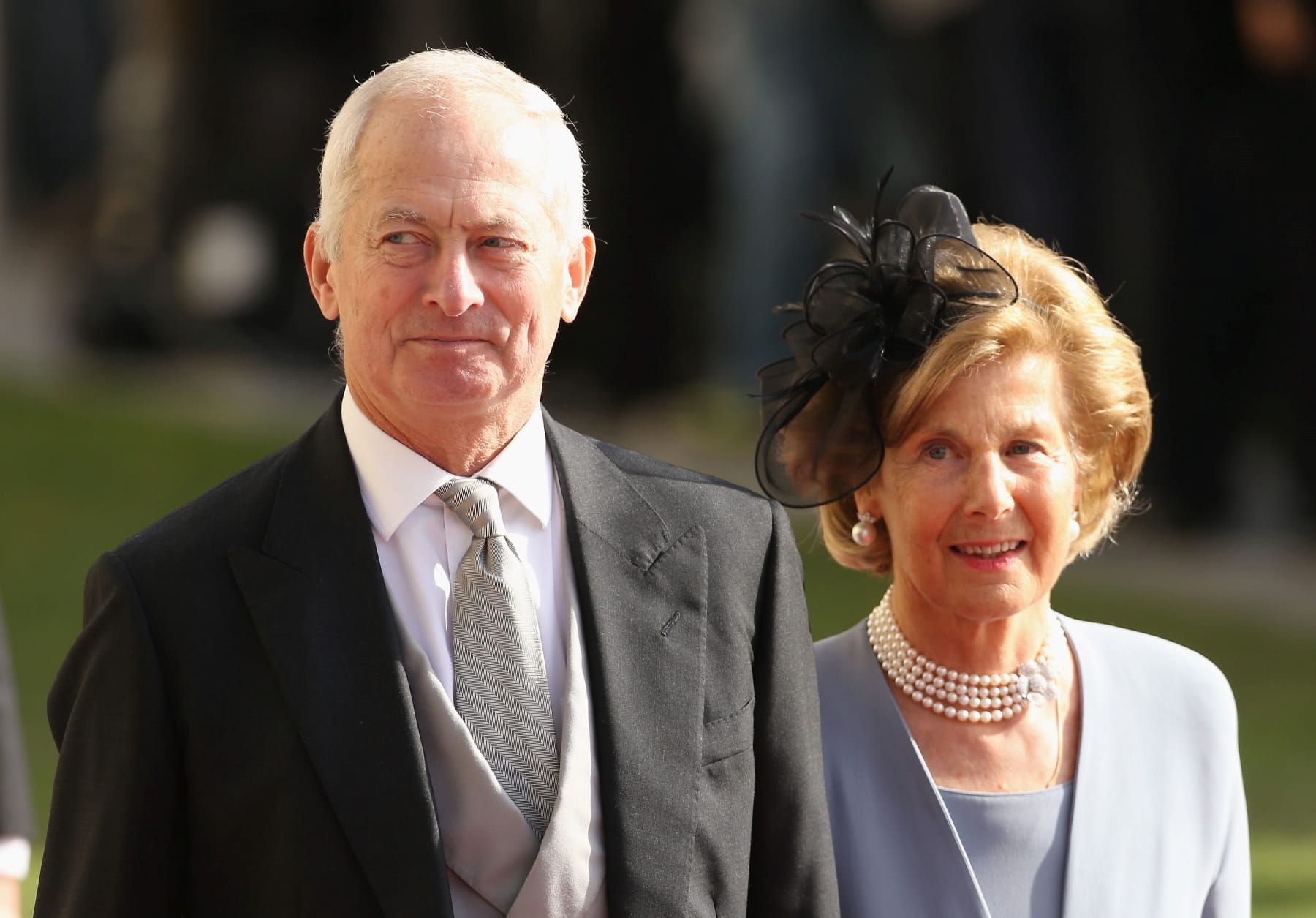
Denmark changed its rules in 2009 so the monarch’s oldest child inherits regardless of gender, while Luxembourg introduced equal succession in 2011.
The UK passed its Succession to the Crown Act in 2013, ending the rule that a younger son could move ahead of an older daughter.
Liechtenstein has historically been slower than much of Europe to change laws affecting women.

In 1984, it became the last country in Europe to give women the right to vote in national elections, after male voters approved the change by just 119 votes.
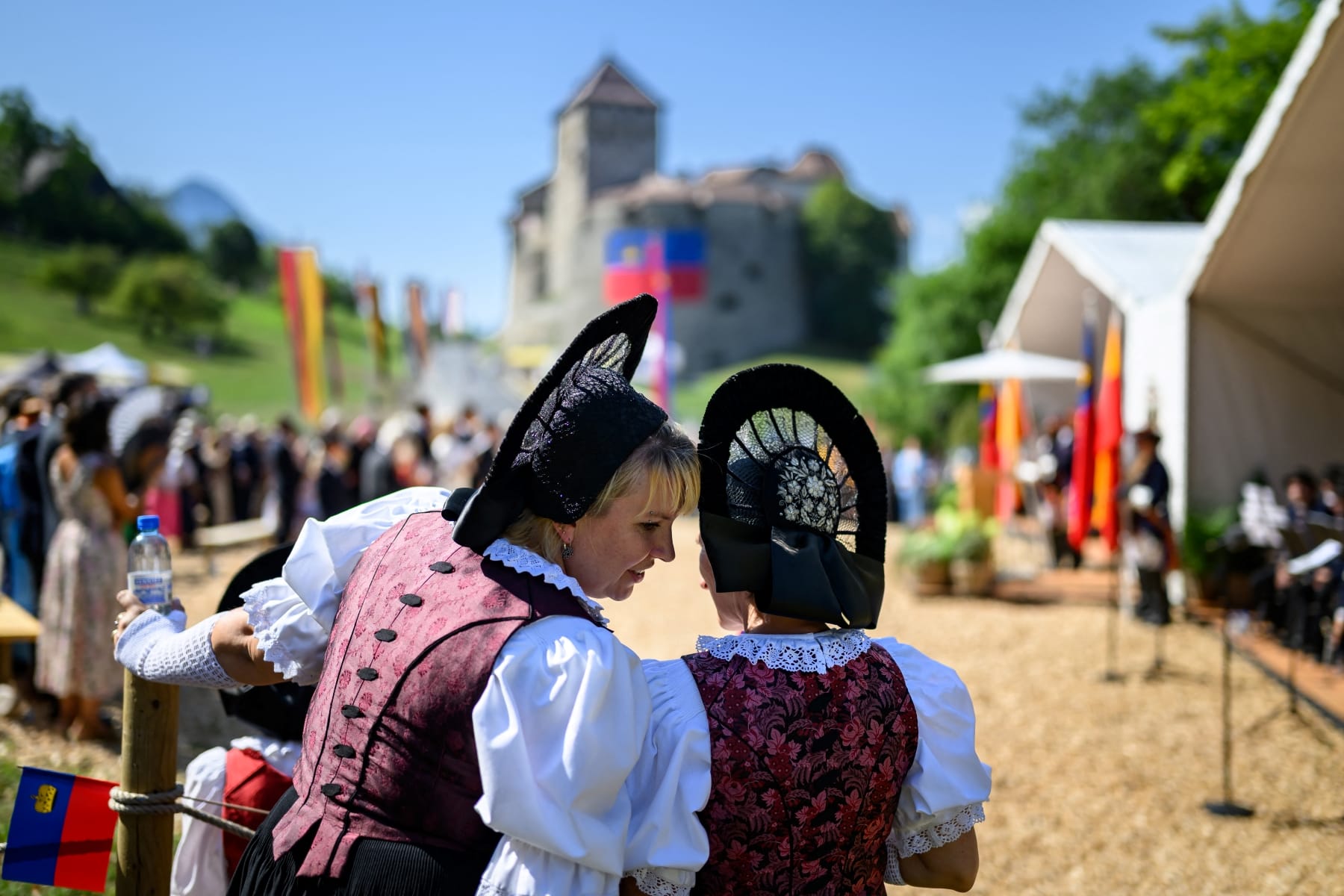
More than 40 years later, Brigitte Haas became Liechtenstein’s first woman prime minister in 2025.
More On Liechtenstein
 Kassy Cho