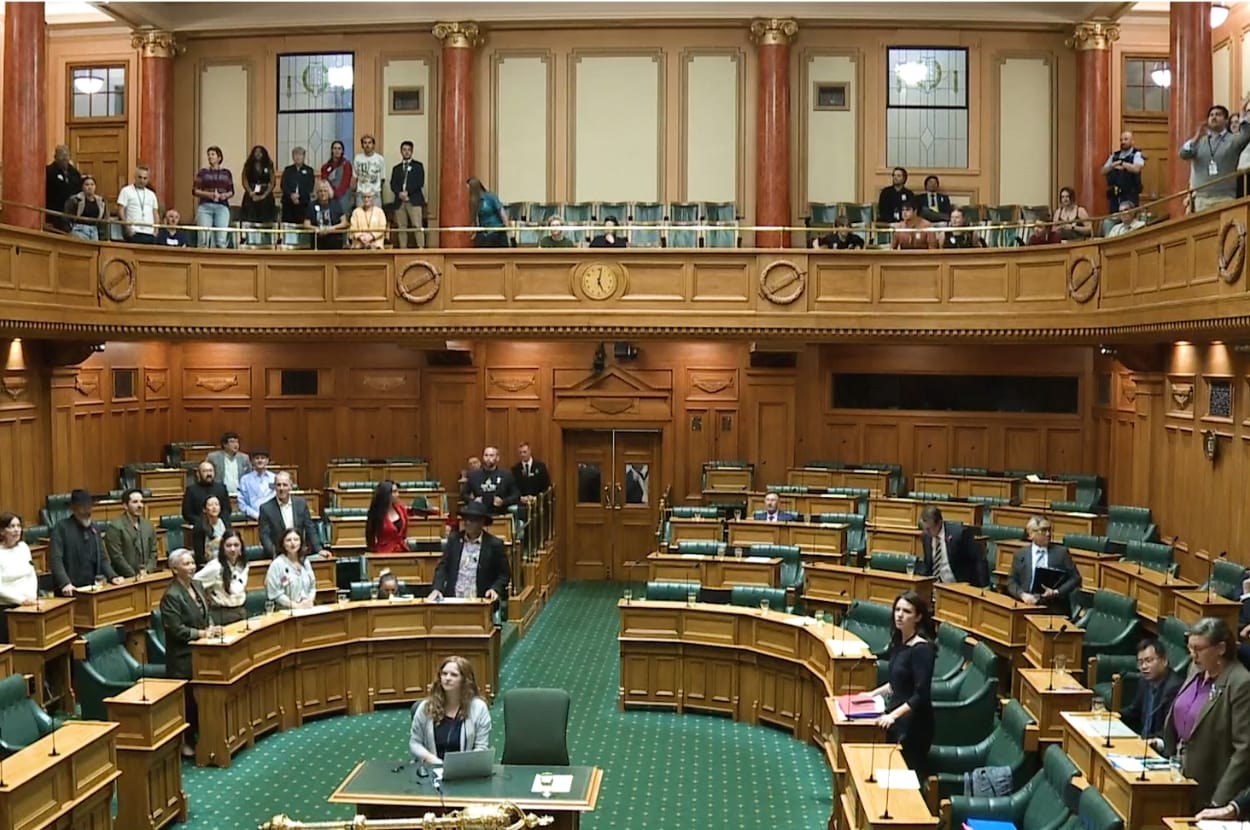
This New Zealand Māori MP Slammed The Government For Making English An Official Language, Calling It A “Bastard” Language
Paul said the Indigenous language had been "beaten out of Māori systematically" through colonization.



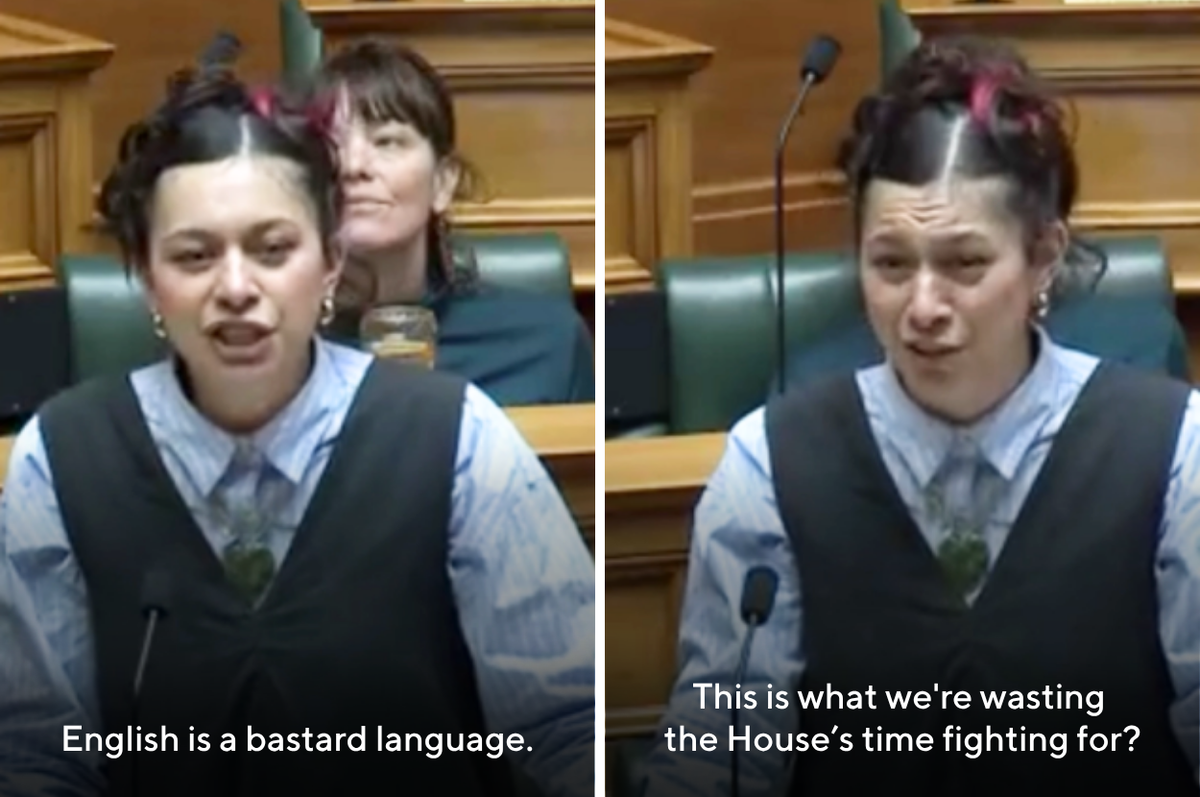
New Zealand Māori lawmaker Tamatha Paul called English a "bastard language" after the government made English an official language of the country for the first time.
After New Zealand became a British colony, the colonial government pushed English on the country's Indigenous people, the Māori, and discouraged their language, Te Reo Māori, including at schools.
Critics say that the country's current governing coalition, New Zealand First, has chipped away at Te Reo Māori and Māori rights more broadly since taking power in late 2023.
In February, New Zealand justice minister Paul Goldsmith introduced the English Language Bill, a two-page document saying that English "has long been a de facto official language in New Zealand" and should be recognized as such in law.
New Zealand First leader Winston Peters — who is half Māori himself — said at the time the bill was meant to counter a "virtue signalling narrative" and push English as the country's main language.
Supporters of the bill said it would not change any existing legal protections for Te Reo Māori or sign language and simply brought the law in line with how English is already used.
Critics called the bill "silly" and "meaningless," pointing out that more than 95% of New Zealand's population, about 4.8 million people, already spoke English as of 2023, while just 4.3% spoke Māori and 0.5% used sign language, according to government data.
The bill passed its third and final reading in the House of Representatives on July 30, making it officially a law.
During the debate, Paul, a Green Party lawmaker and the first Māori woman elected to represent Wellington Central, said the bill was a waste of parliament's time, and accused the government of pushing it in reaction to growing public use of Aotearoa, the Māori name for New Zealand.
She also argued English did not need legal protection the way Te Reo Māori did, saying the Indigenous language had been "beaten out of Māori systematically" through colonization.
Read More
 Flavie Chen

 Kassy Cho
 Isha Jain