
Ireland Has Created Its First Public Register Of Domestic Violence Offenders
The register can cover convictions such as murder, rape, sexual assault, coercive control, stalking, nonfatal strangulation and threats to kill.



Ireland has passed Jennie’s Law, creating its first public register of judgments against people convicted of serious domestic violence offenses.

The law is named after Jennifer “Jennie” Poole, a 24-year-old mother of two who was murdered by her former partner Gavin Murphy in Finglas, Dublin, on April 17, 2021.
Poole and her family did not know Murphy had a history of violence.
Poole believed Murphy had returned from Spain when he had actually been in prison, for attacking a former partner and her mother with a knife, according to Irish public broadcaster RTÉ.
Murphy pleaded guilty to murder and received a mandatory life sentence in April 2022.
Her brother Jason Poole spent years campaigning for a system giving people access to information about a partner’s serious domestic violence convictions.

That campaign led to the Domestic Violence Judgements Register Bill 2026, or Jennie’s law.
Under Jennie’s Law, Ireland’s Courts Service will publish selected judgments online involving serious offenses committed against a current or former partner.
The register can cover convictions such as murder, rape, sexual assault, coercive control, stalking, nonfatal strangulation and threats to kill, according to Ireland’s Department of Justice.

A judge will decide whether a judgment should be published, while the survivor’s consent will normally be required.

Entries may include the convicted person’s name, age, offense and sentence.

The Dáil, the Irish parliament's lower house, passed the bill on Wednesday, July 15, and Ireland's president, Catherine Connolly, officially signed it into law on July 21.
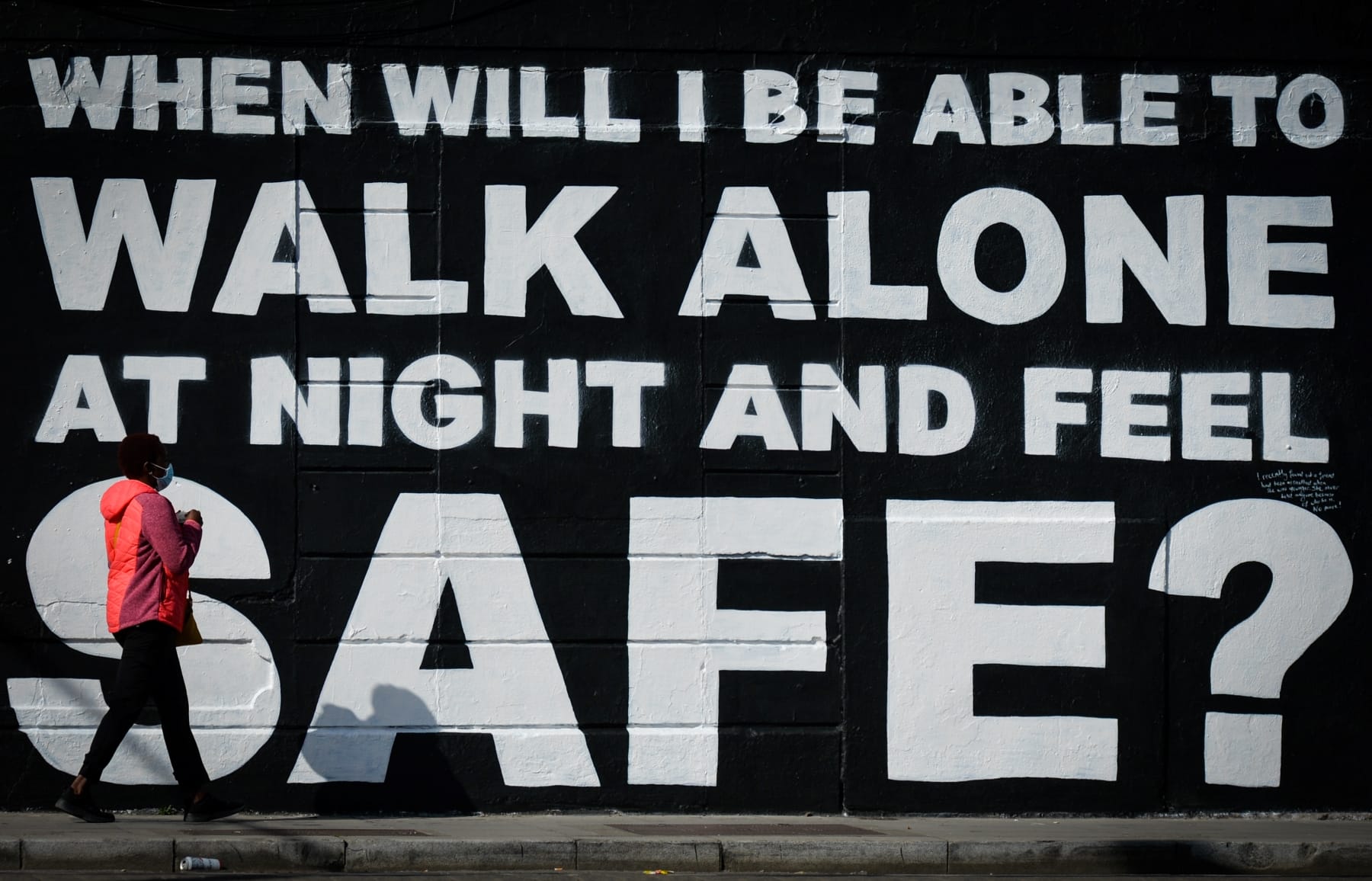
The register is intended to help people make informed safety decisions, although Justice Minister Jim O’Callaghan said it is only one part of Ireland’s response to domestic violence.

The register has not yet launched because the justice minister must set a start date.

Read More
 Kassy Cho

 Cherry Mohamed

 Igra Abdi