Thousands Of Displaced Lebanese People Are Returning Home After Israel And Lebanon Agreed To A 10-Day Ceasefire
It is uncertain if the ceasefire will be extended beyond the 10 days.


Thousands of displaced people in Lebanon are returning to their homes after Lebanon and Israel agreed to a 10-day ceasefire.
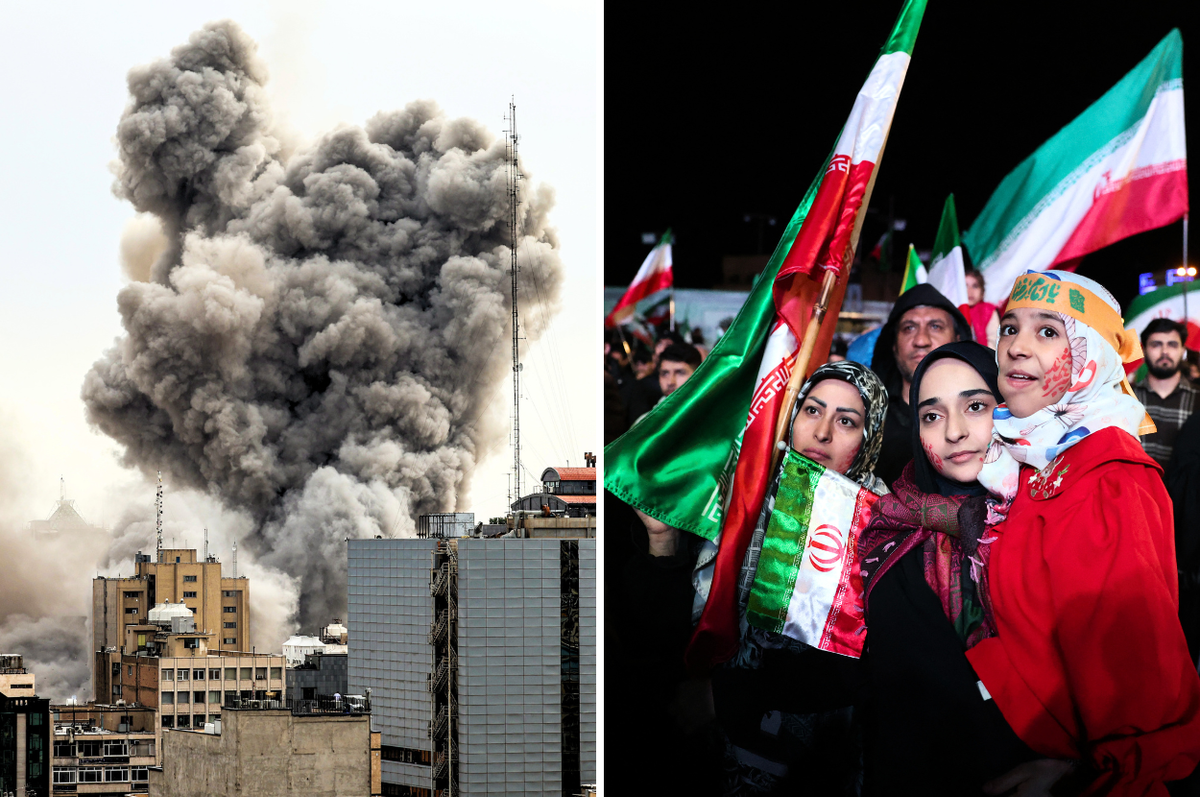
After the US and Israel launched unprovoked attacks on Iran on Feb. 28, and killed Iran’s supreme leader Ayatollah Ali Khamenei, Hezbollah, a Lebanese political party and militant group that has de facto control over south Lebanon and is funded by Iran, retaliated in support of Iran, sending waves of attacks on Israel.
Israel responded with an intense bombing campaign, with Israeli prime minister Benjamin Netanyahu ordering Israeli ground troops to invade southern Lebanon and expand Israel's presence in the area.
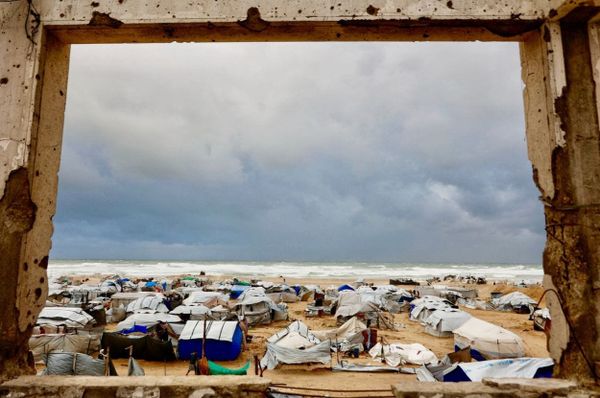
Since then, Israel has killed more than 2,000 people and displaced over one million people in Lebanon, mainly from the south, while Hezbollah attacks have killed 12 Israeli soldiers and two civilians in Israel, according to the BBC.
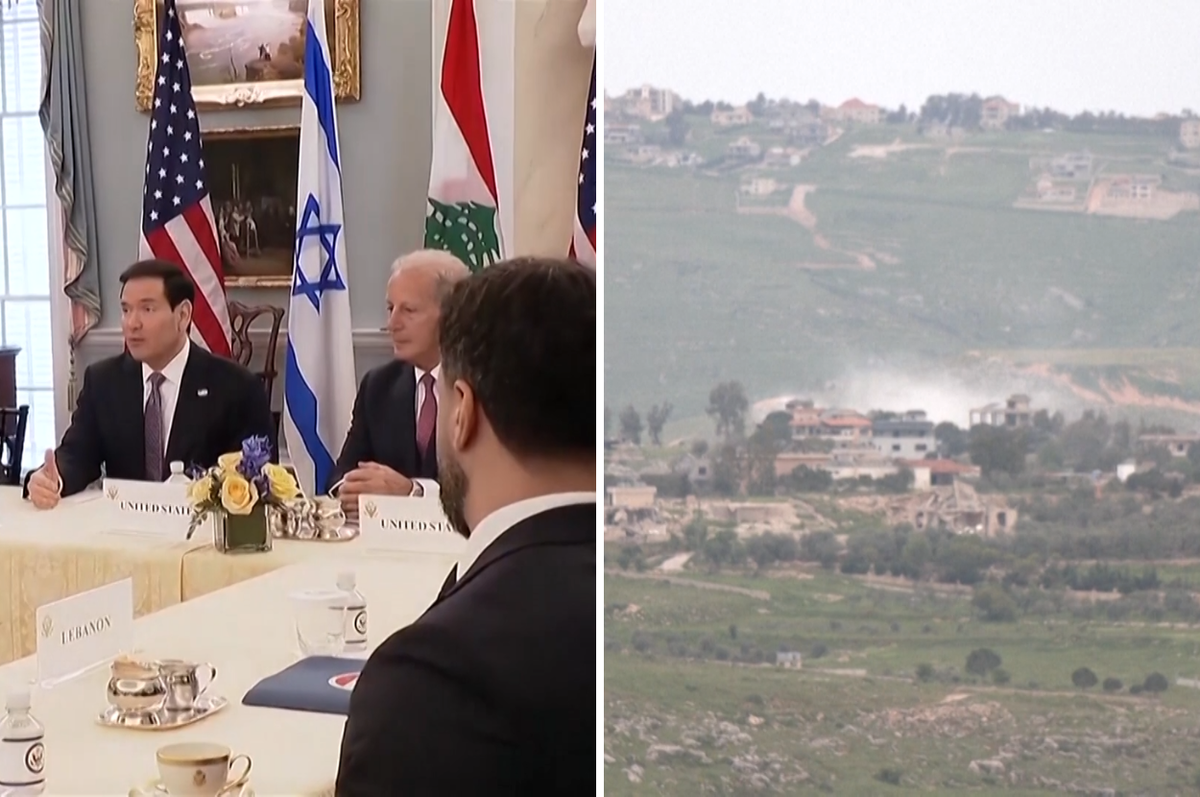
On Tuesday, April 15, Israel’s and Lebanon’s ambassadors held their first direct peace talks in more than 30 years in the US, with Lebanon seeking to end the war to “alleviate the humanitarian crisis”.
On Thursday, April 16, US President Donald Trump announced on his Truth Social that Lebanon and Israel had agreed to a 10-day ceasefire that would start at 5 pm EST.
In his post, Trump said he had “excellent conversations” with Lebanon’s president, Joseph Aoun, and Israeli prime minister, Benjamin Netanyahu.
Netanyahu then issued a statement, confirming the ceasefire and saying it was “an opportunity to make a historic agreement with Lebanon”.
However, he said Israel will continue to partially occupy southern Lebanon, maintaining a 10km “security zone” within southern Lebanon, and called for Hezbollah to disarm.
Lebanon’s prime minister Nawaf Salam also welcomed the ceasefire on X.
A spokesman for Hezbollah told AFP the group would follow the ceasefire as long as Israel stopped its attacks, but also demanded Israeli forces not be allowed to move within occupied Lebanese territory.
According to the ceasefire agreement, Israel will continue to keep its right to defend itself and can strike Lebanon at any time.
Meanwhile, the Lebanese government has promised to take “meaningful steps” to prevent Hezbollah from attacking Israel and disarm the group, according to the BBC.
It is uncertain if the ceasefire will be extended beyond the 10 days.
Israel also appears to remain in southern Lebanon and is showing no signs of backing out, despite Hezbollah’s key demand being Israel to end its occupation and invasion of southern Lebanon.
People in Lebanon have argued that giving up Hezbollah’s weapons without a clear defensive strategy would leave southern Lebanon exposed and make it easier for Israel to invade in the future.
On Friday at 00:00 local time, the ceasefire went into effect in Israel and Lebanon.
On Friday morning, hundreds of displaced Lebanese families were already returning to their homes in the south, but Lebanon’s government has warned citizens from moving too south, where Israeli troops are still stationed.
Trump said he will hold meetings with Lebanon and Israel’s leaders in the upcoming weeks.
The meeting will be the first time the leaders of the two nations have met in decades.
 Sofia Hou
 Cherry Mohamed
 Cherry Mohamed