The UK Is Now Proposing A Social Media Curfew For 16- And 17-Year-Olds Between Midnight And 6 AM
The curfew is voluntary, meaning 16- and 17-year-olds can opt out and switch the restrictions back on by changing their account settings.

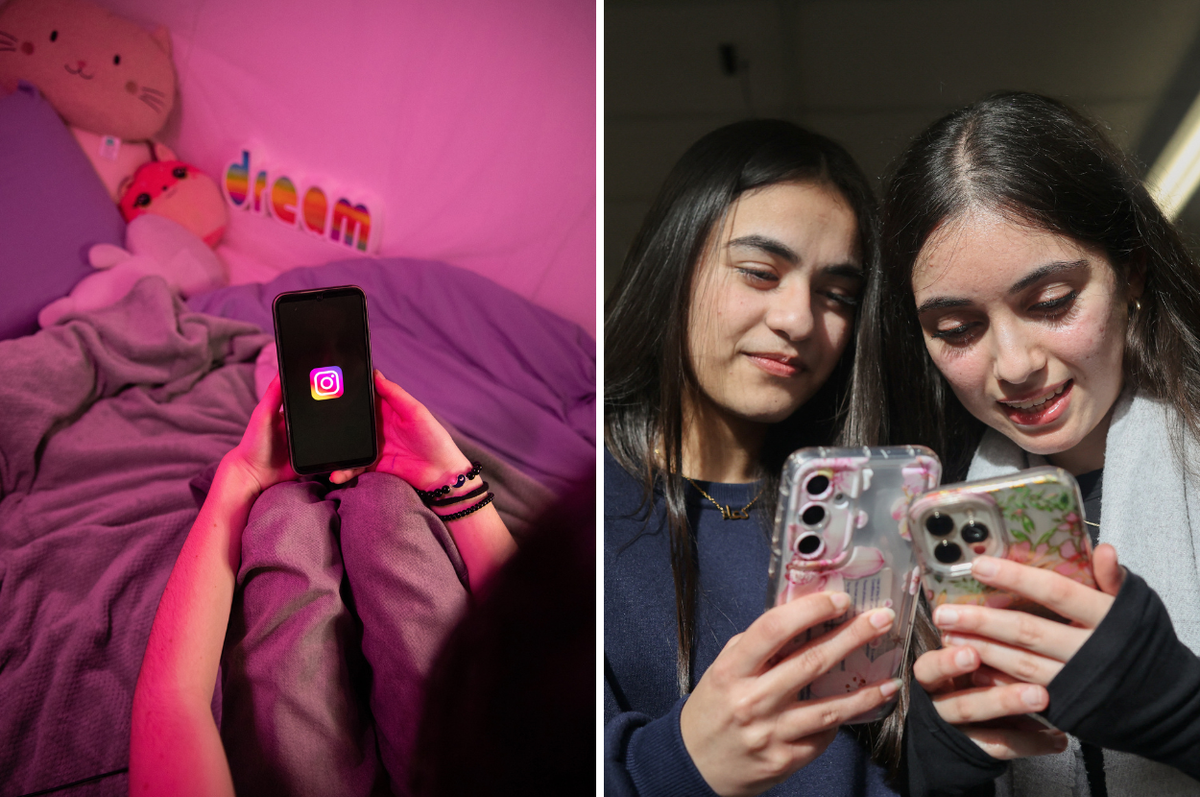
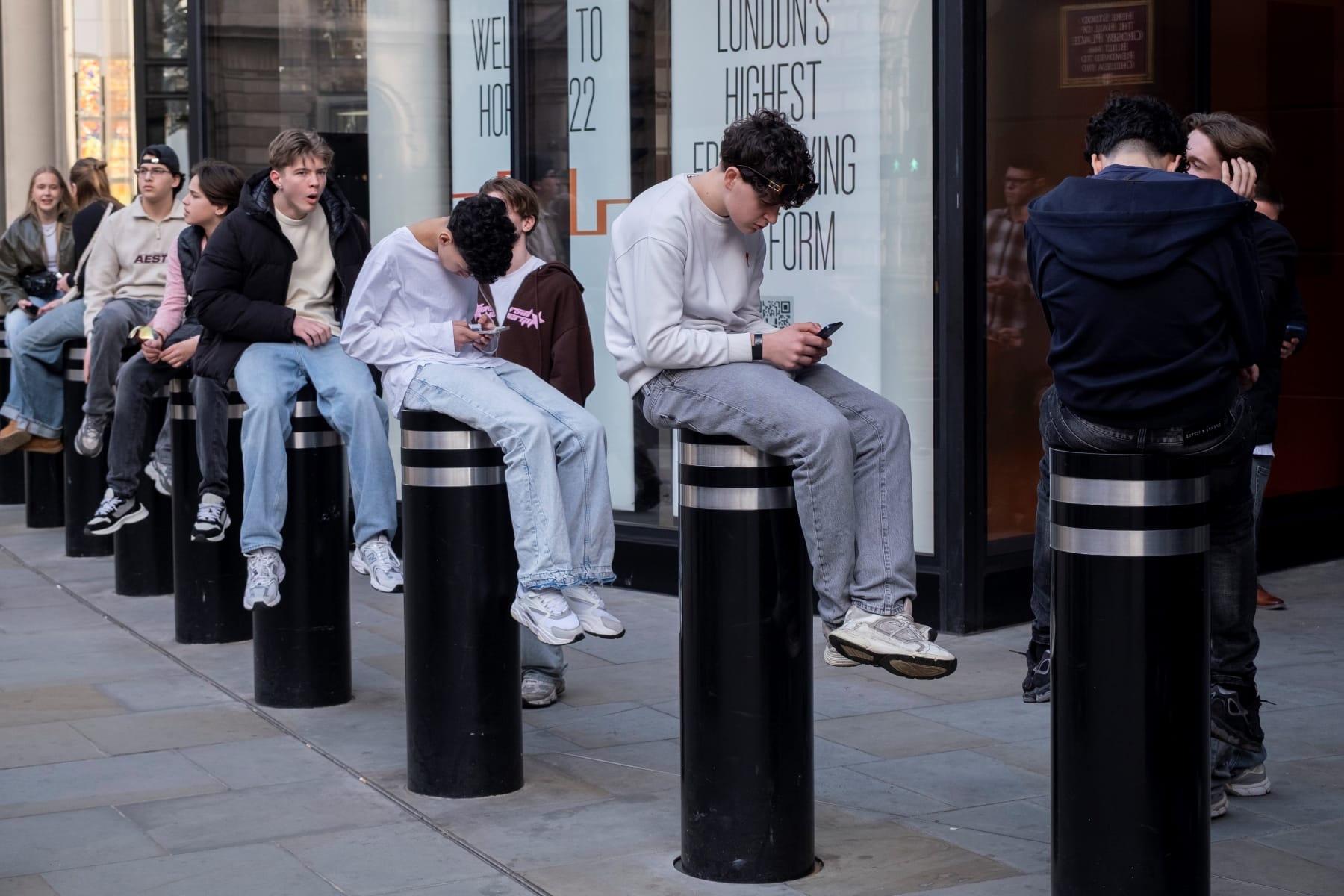
The UK government has now proposed a nightly curfew that would block 16 and 17-year-olds from using apps such as Instagram, TikTok and YouTube by default between midnight and 6 am.
On June 15, UK prime minister Keir Starmer announced that the UK would ban social media entirely for children under 16 starting spring 2027, pending a vote in Parliament, following the same model as Australia, which became the world's first to introduce a nationwide ban on social media for children under 16 in December 2025.
The ban covers platforms including TikTok, Snapchat, Instagram, Facebook, YouTube and X, requiring platforms to verify a user's age before letting them create or use an account.
WhatsApp and Signal, which are messaging apps rather than social networks, will not be affected.
Companies that repeatedly break the rules could be fined up to 10% of their global annual revenue, and the government could ask the courts to block a platform in the UK altogether.
Starmer said social media platforms were exposing children to content that is "dangerous" and "designed to be addictive," and that a full ban would make children "safer" and "happier."
The government also said it would restrict gaming and live streaming services that let children talk to strangers online and will ban AI "romantic companion" chatbots, which are designed to simulate sexual relationships or roleplay with users, for children under 18, according to BBC.
On Wednesday, July 15, the government proposed that platforms including Instagram, TikTok and YouTube be switched off by default for 16 and 17-year-olds every night from midnight to 6 am local time.
Features designed to keep people scrolling, such as autoplay videos and infinite scrolling, would also be turned off by default for this age group.
Live streaming and contact from strangers would be switched off by default too.
Unlike the under-16 ban, the curfew is voluntary, meaning 16- and 17-year-olds can opt out and switch the restrictions back on by changing their account settings.
The government said the measures would help young people "get the sleep they need, focus on school and college, and spend more quality time with family and friends," adding that it wanted to avoid an outright ban for older teenagers and was instead aiming for a "smooth slope" into adulthood.
The National Society for the Prevention of Cruelty to Children, a UK children's charity, welcomed the curfew but said that without stronger measures, it risked being only a "sticking plaster" that does not fix the addictive design of the platforms themselves.
The opposition Conservative Party said a curfew that teenagers can simply switch off "fails to offer meaningful protection."
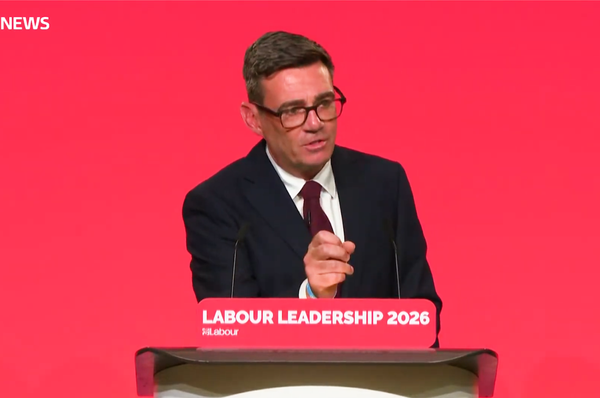
The curfew proposal still needs to be formally written into law as it comes in the final stretch of Starmer's time as prime minister; responsibility for getting it passed is expected to fall to his likely successor, Andy Burnham.
You Might Also Be Interested In
 Ikran Dahir
 Cherry Mohamed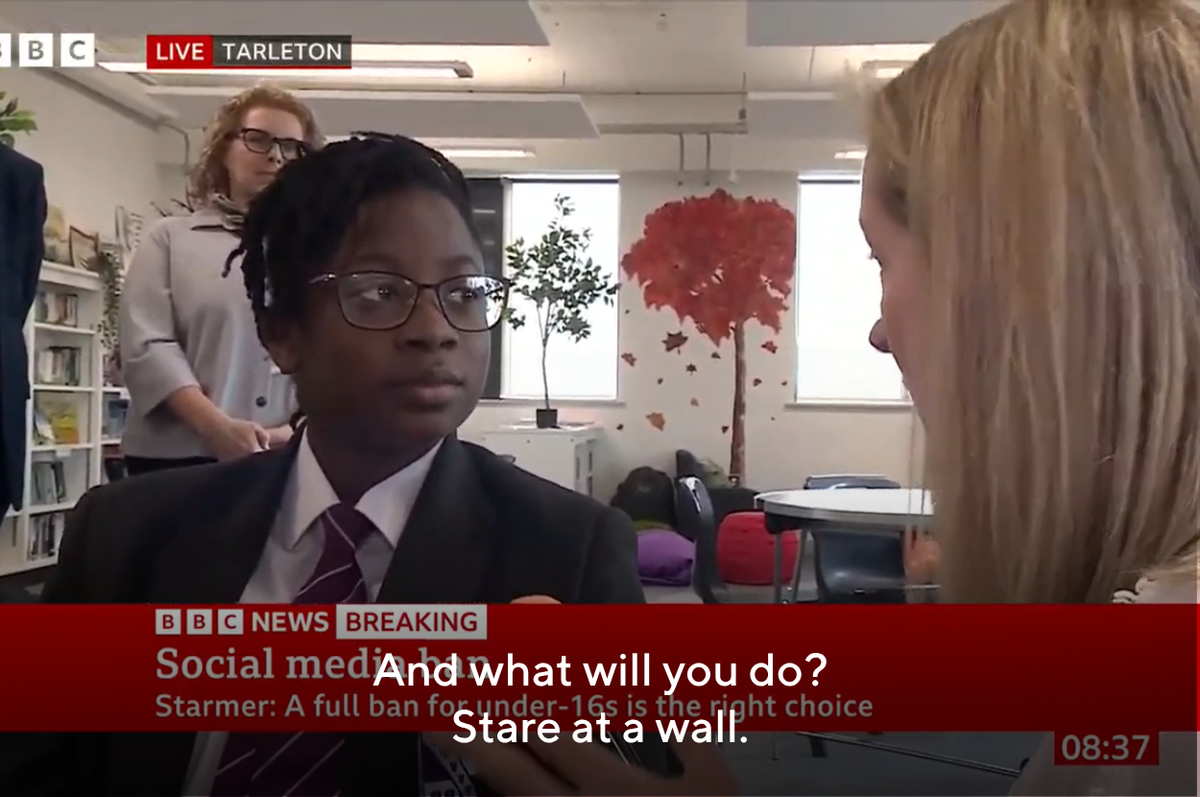
 Cherry Mohamed