Lebanon Has Become The First Country In The Middle East To Abolish The Death Penalty
The law replaces the death penalty with a new sentence called "life imprisonment with aggravated hard labor," a harsher version of a life sentence.


Lebanon has become the first country in the Middle East to abolish the death penalty.
The country has not carried out an execution since 2004, but since there was no change in the law, courts kept sentencing people to death anyway.
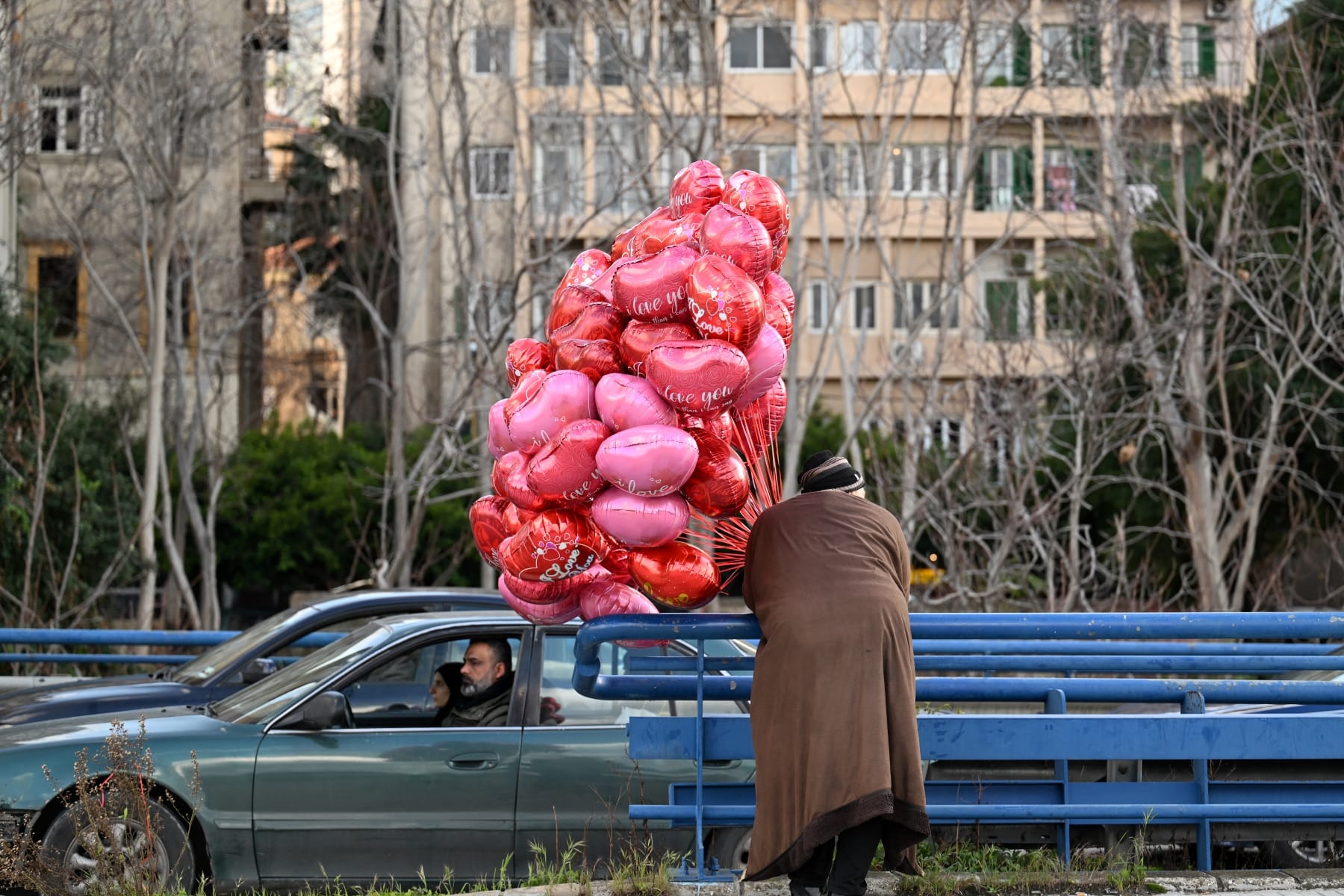
As of the end of 2025, 85 people were sitting on death row, according to Lebanon's Ministry of Justice.

Lebanese rights groups have been campaigning for years to completely abolish capital punishments in the country.
In October 2025, seven members of parliament submitted a draft law to abolish the death penalty.
On Aug. 11, Lebanon's parliament voted to pass the law, with the majority, 128 members, voting in favor, except for Hezbollah's parliamentary bloc, which voted against it.
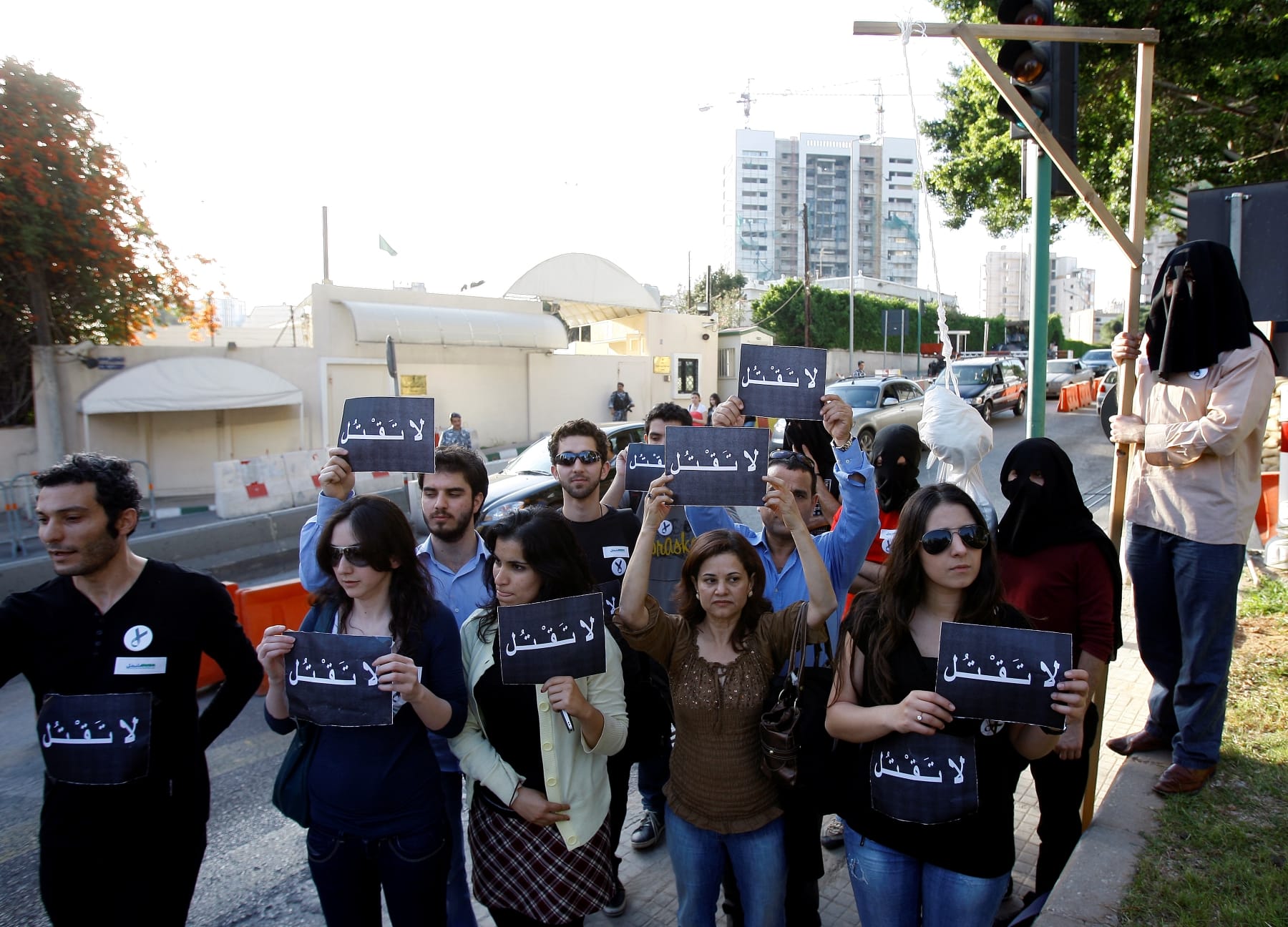
The law replaces the death penalty with a new sentence called "life imprisonment with aggravated hard labor," a harsher version of a life sentence.
Lebanon's prison system is already overcrowded and underfunded, and some lawmakers said the details of how the hard labor requirement would be enforced still need to be worked out.
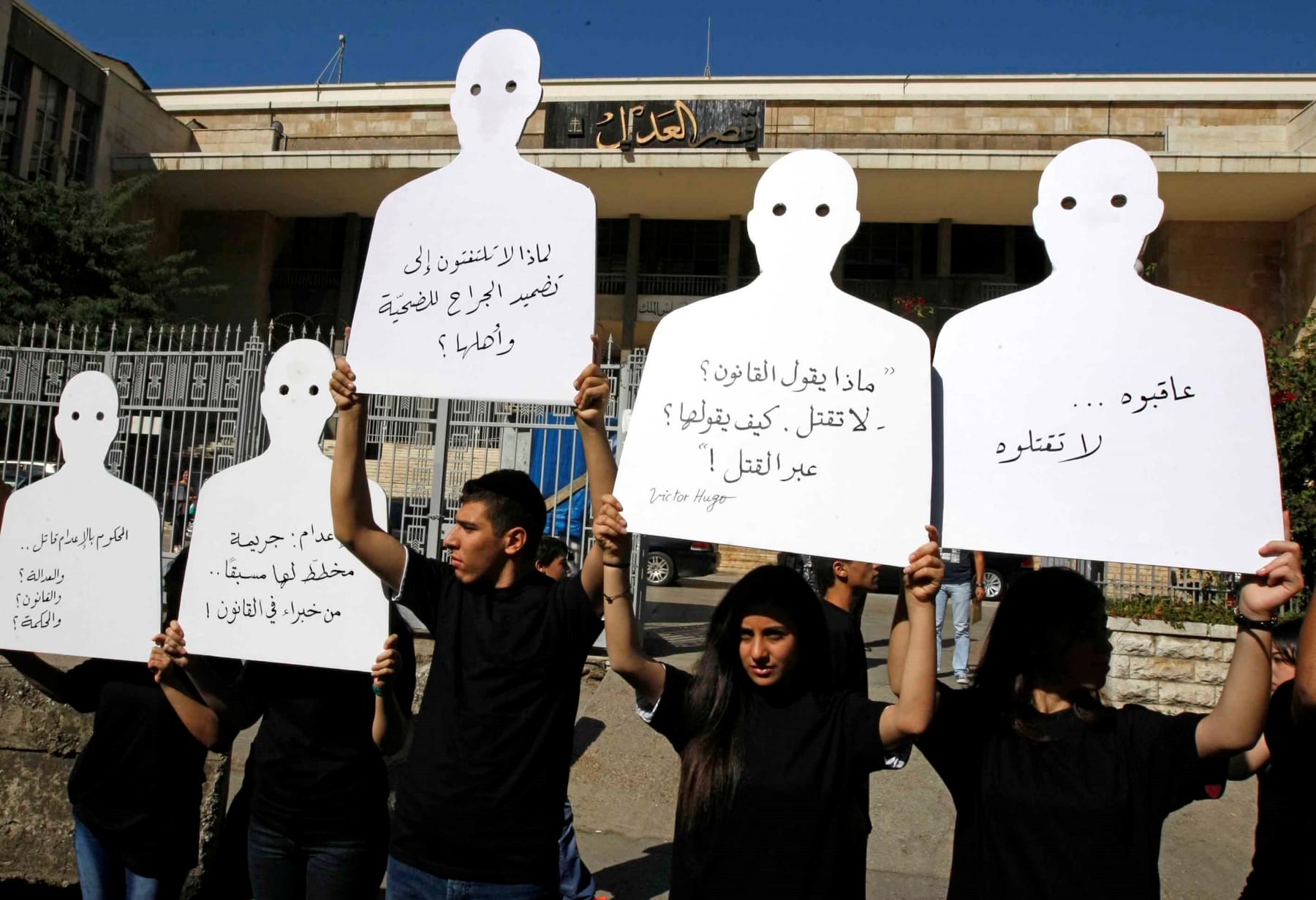
Lebanon's Justice Minister Adel Nassar called it a "historic step" for the country.
Amnesty International welcomed the move, saying the vote turned a fragile, unofficial hiatus in executions into permanent legal protection for the right to life.
The UN human rights chief Volker Türk commended Lebanon's parliament for the decision, calling it a powerful commitment to the right to life in a country that has itself endured heavy loss of life from recent attacks.

The law now needs to be signed by Lebanon's president and published in the country's official gazette before it formally takes effect.
The move comes as parliament also debates a controversial general amnesty bill, the largest since the end of its 15-year civil war in 1990, that could reduce sentences or even release some people convicted of violence offenses, according to Al Jazeera.
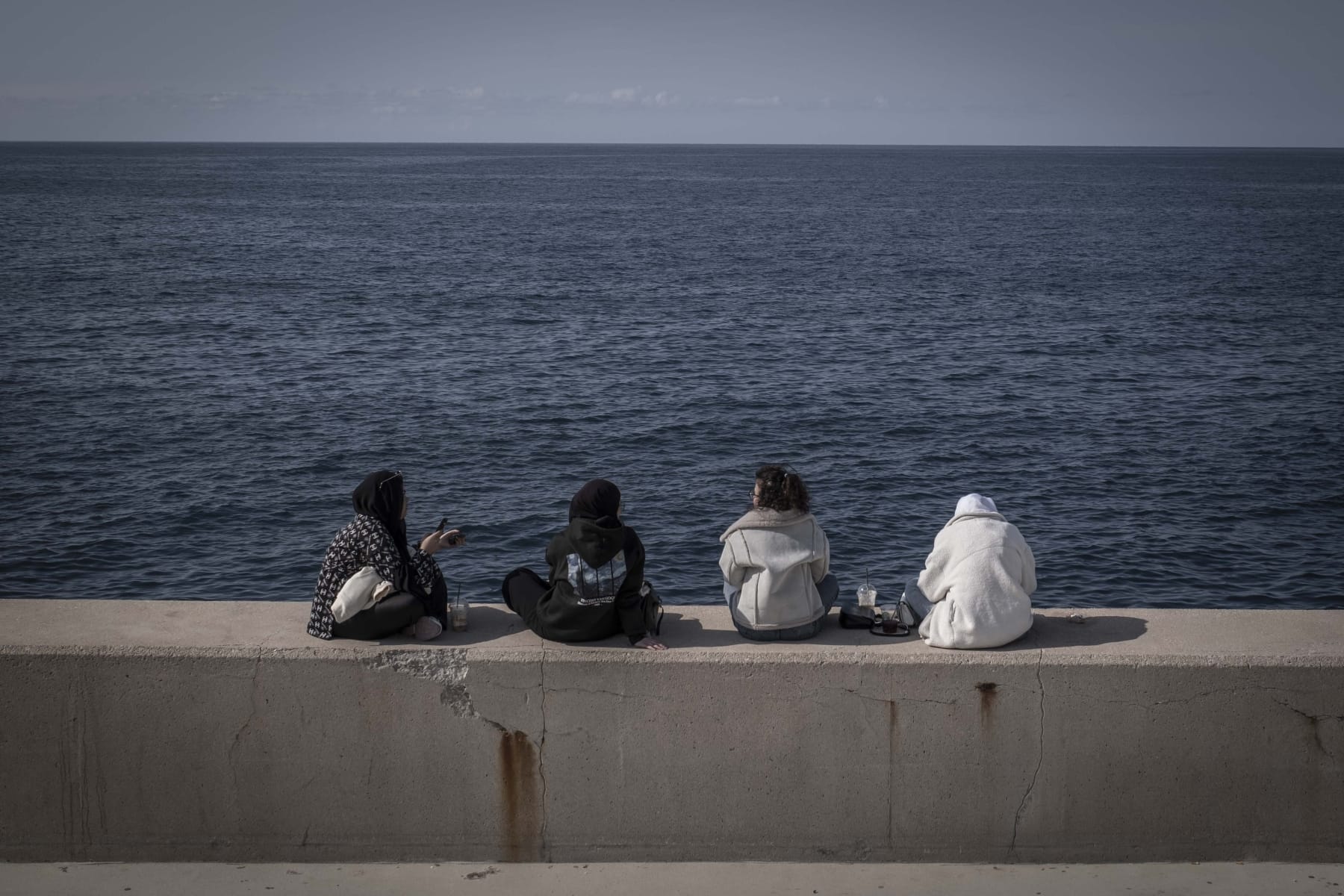
Families of Lebanese soldiers killed in past attacks have protested against that bill, saying they want the people who killed their relatives to face serious punishment, not reduced sentences.
More On Lebanon
 Sofia Hou

 Cherry Mohamed

 Nyx Joy